Plants of Mauritius
Browse plant photos from Mauritius, including tropical foliage, garden plants, medicinal herbs, indigenous vegetation, aquatic plants, agricultural crops, climbing plants and everyday green island details captured by Explora photographers.
Read more about plants in Mauritius
About Plants of Mauritius
Plants are part of almost every Mauritian landscape. They appear in home gardens, markets, mountain paths, wetlands, farms, nurseries, village courtyards and coastal roads. Even when a photo is not mainly about plants, they often give the image its texture: banana leaves beside a wall, herbs near a kitchen, sugarcane along a road, vines on a fence or aquatic leaves floating in a pond.
This page focuses on plants in the broad sense: foliage plants, herbs, shrubs, crops, medicinal plants, aquatic plants, climbing plants, kitchen-garden plants and indigenous vegetation. Flower-focused subjects are covered on the flowers of Mauritius page, while larger tree species are covered separately on the trees in Mauritius page.
So what makes a plant photo interesting? Is it the shape of a leaf, the way rain collects on a stem, the use of a herb in a kitchen, or the way plants soften a simple Mauritian home? Plants are quieter than beaches and waterfalls, but they often tell a more intimate story of the island.
Popular Plants in Mauritius
The plants below are listed in a practical order, starting with those people are most likely to recognise in gardens, farms, roadsides, nurseries and everyday Mauritian life. This is not a strict botanical ranking, but a useful guide for visitors and photographers.
Banana Plants
Banana plants are common in Mauritius, especially in home gardens, small farms and rural areas. Although many people casually call them banana trees, they are actually large herbaceous plants, which makes them better suited to this Plants page than the Trees page.
Their broad leaves, fruit bunches and purple banana flower are excellent photo subjects. A banana plant beside a village wall, after rain, or near a small kitchen garden can give a photo a very local feeling.
Sugarcane
Sugarcane is one of the most important plants in Mauritian history. It has shaped the island’s agriculture, economy, rural roads, old estates and visual identity for centuries.
Because sugarcane is such a major subject, it has its own dedicated page: sugarcane fields in Mauritius. On this page, it belongs as part of the wider plant and agriculture story of the island.
Pineapple Plants
Pineapple plants are low-growing, spiky and very photogenic. The fruit is famous, but the plant itself is also interesting because of its strong leaf pattern, texture and geometric form.
Pineapple plants may be seen in cultivated plots, gardens and agricultural areas. They also connect naturally with fruits of Mauritius, market scenes and roadside stalls.
Aloe Vera
Aloe vera is widely grown in pots and gardens around Mauritius. It is hardy, sculptural and easy to recognise, with thick leaves that store water and tolerate heat well.
Many Mauritian households keep aloe vera because it is practical and traditionally associated with simple home uses. For photography, it works well in dry garden corners, pots, nurseries and close-up plant details.
Lemongrass
Lemongrass is common in Mauritian gardens and kitchens. It is often used for herbal tea, cooking and family habits. Its smell is familiar to many people in Mauritius, even if the plant itself looks simple.
For photography, lemongrass works best as part of a kitchen-garden story: leaves being cut for tea, herbs growing near a home, or a small backyard where useful plants are kept close to the kitchen.
Ginger and Turmeric
Ginger and turmeric are important in Mauritian cooking and traditional household use. Their underground rhizomes are the most famous part, but the plants also have attractive green foliage.
They connect gardens with kitchens, spices, markets and family recipes. A photo of ginger or turmeric leaves may look simple, but it belongs to a wider story of food and culture.
Tea Plants
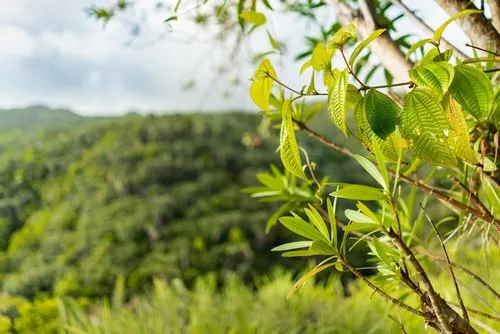
Tea plants are associated with cooler highland areas of Mauritius, especially around Bois Cheri and the central-southern region. Tea plantations create a very different visual atmosphere from coastal Mauritius.
Instead of sand and lagoon, tea landscapes show green rows, mist, cooler air and rolling agricultural scenery. They are excellent subjects for inland photography.
Curry Leaves, Chilli and Kitchen Herbs
Many Mauritian gardens include useful plants such as curry leaves, chilli, mint, coriander, spring onion, thyme, parsley and other herbs used in daily cooking.
These plants may not always look spectacular, but they are important because they are close to everyday life. They show how Mauritian gardens are often practical as well as decorative.
Taro, Cassava and Sweet Potato
Taro, cassava and sweet potato are part of the wider food-plant culture of Mauritius. They may be grown in small farms, home gardens or rural plots depending on location and season.
These plants connect agriculture with traditional food habits. Their leaves, roots and growing patterns can also make good documentary-style photos.
Vegetable Plants
Vegetable plants grown in Mauritius include tomatoes, eggplants, chillies, cabbage, lettuce, beans, cucumber, pumpkin, onions, potatoes and many other seasonal crops.
They appear in fields, greenhouses, backyards, markets and roadside stalls. For photography, vegetable crops are useful because they connect plants with work, food, markets and daily life.
Indigenous and Endemic Plants of Mauritius
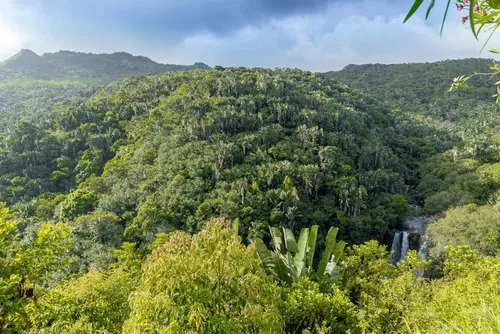
Mauritius has a remarkable native plant heritage. Some plants are indigenous, meaning they occur naturally on the island or in the region. Others are endemic, meaning they are found naturally only in Mauritius or the Mascarene islands.
On this page, the focus is on the wider native plant layer: understorey vegetation, shrubs, ferns, rare herbs, native climbers, ground plants and smaller species found in protected habitats. Native trees are covered more deeply on the trees in Mauritius page, while native flowers are covered on the flowers of Mauritius page.
This distinction matters because a forest is not made only of large trees. The smaller plants below the canopy also provide habitat, protect soil, hold moisture, support insects and help native ecosystems regenerate.
Native Understorey Plants
Native understorey plants grow below the main forest canopy. They may include shrubs, young seedlings, ferns, climbers and shade-loving plants.
For visitors, these plants can be easy to miss. For the forest, they are essential. They help create the layered structure that birds, insects, reptiles and other small species depend on.
Ferns and Shade-Loving Plants
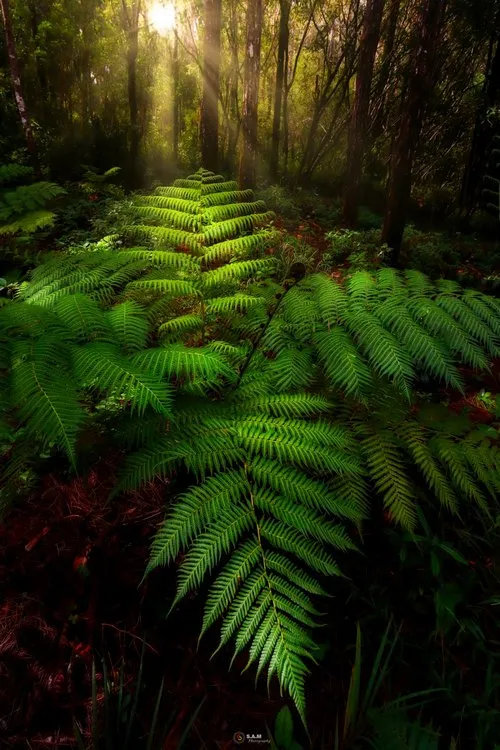
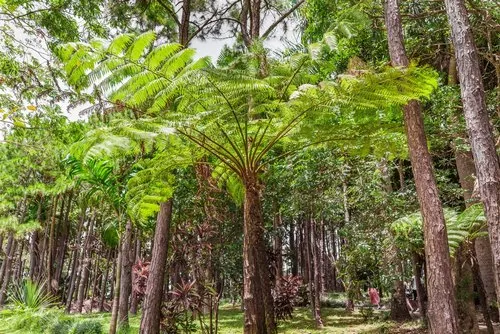
Ferns and shade-loving plants are common in wetter forest areas, ravines and shaded paths. They add texture to forest photos and often show where the environment is cooler and more humid.
In photography, ferns work beautifully after rain, when the leaves are fresh and the forest floor looks alive.
Rare Small Plants
Some rare Mauritian plants are not large or visually dramatic. They may be small, seasonal, difficult to identify or hidden among other vegetation.
This is why guided visits to reserves and conservation sites can be valuable. A guide can turn what looks like ordinary greenery into a story about survival, rarity and restoration.
Medicinal Plants in Mauritius
Medicinal plants are part of Mauritian home culture. Many families know plants used traditionally in herbal teas, baths, infusions, poultices or simple home remedies.
Common plants associated with traditional household use include aloe vera, lemongrass, ayapana, tulsi, ginger, turmeric, guava leaves, papaya leaves, curry leaves and Phyllanthus species often known locally as gren anba fey.
This section is cultural information, not medical advice. Plants can have real effects and may not be safe for everyone. For health concerns, a qualified medical professional remains the right person to consult.
Herbal Tea Plants
Plants such as lemongrass, ayapana, tulsi and ginger are often linked with herbal teas in Mauritius. These plants are simple but meaningful because they connect gardens, family habits and daily comfort.
A cup of herbal tea begins with a plant, and sometimes that plant is growing only a few steps from the kitchen.
Plants Used in Home Remedies
Aloe vera, turmeric, ginger and papaya leaves are among the plants many Mauritians recognise from traditional household practices.
For photography, these plants are interesting when shown in their real context: in a pot, in a home garden, on a kitchen table, or near someone preparing them carefully.
Aquatic Plants in Mauritius
Aquatic plants grow in ponds, wetlands, rivers, reservoirs, marshes, garden water features and shallow coastal areas. They are often overlooked, but they play an important ecological role.
Aquatic plant subjects include floating leaves, reeds, sedges, pond plants, submerged vegetation and marine seagrasses. Flowers such as lotus blooms are better covered on the flowers of Mauritius page, but the leaves and aquatic habitat belong here.
Lotus Leaves and Water Lilies
Lotus and water lilies are often photographed for their flowers, but their floating leaves are also beautiful plant subjects. Reflections, pond textures and water droplets can create calm and minimalist photos.
These plants are often seen in ponds, gardens, religious settings and landscaped water features.
Seagrass Meadows
Seagrasses are not seaweed. They are marine flowering plants that grow in shallow coastal waters and provide habitat for fish and other marine life.
Seagrass meadows support lagoon ecosystems, stabilise sediments and provide nursery areas for young marine species. They are less visible than coral reefs, but they are just as valuable.
Reeds, Sedges and Wetland Plants
Wetland plants such as reeds and sedges help structure freshwater and brackish habitats. They provide shelter for birds, insects, fish and small animals.
For photography, they are best captured with water, reflections, birds or morning mist. A simple reed bed can become very atmospheric in the right light.
Mangroves in Mauritius
Mangroves are coastal trees and therefore belong mainly on the trees in Mauritius page. They are mentioned here because they are also important coastal plants that help link land, lagoon and sea.
In simple terms, mangroves protect coastlines, provide nursery areas for young marine life and support lagoon health. For a deeper explanation of mangrove trees, roots and coastal protection, see trees in Mauritius.
Climbing Plants and Vines
Climbing plants are common in Mauritian gardens, fences, walls, pergolas and wild corners. They soften buildings, create shade and turn simple walls into living surfaces.
Examples include passion fruit vines, vanilla orchids in suitable cultivated settings, ornamental creepers, jasmine, pothos, money plant and other vines used in gardens and shaded areas.
Passion Fruit Vines
Passion fruit vines are both useful and decorative. They produce edible fruits and attractive leaves, and their flowers can be very beautiful.
They are a good example of how Mauritian gardens often combine food and beauty. Why choose between the two if a plant can do both?
Vanilla and Cultivated Vines
Vanilla is an orchid vine and can be grown in suitable tropical conditions with support and care. It is not something most visitors will see everywhere, but it is an interesting plant because it connects botany, flavour and cultivation.
Other cultivated vines and creepers are often used for shade, decoration and garden structure.
Plants in Mauritian Gardens
Mauritian people often like having plants around the home. Even a small yard, balcony or entrance can have pots, herbs, aloe vera, chilli plants, foliage plants, orchids or a few decorative shrubs.
Gardens in Mauritius are often practical and personal. They may provide herbs for cooking, shade for the afternoon, plants for traditional uses, vegetables for the kitchen, or simply a pleasant place to sit.
This is one of the most human sides of plant photography. A plant in a home garden is not just a plant. It may belong to someone’s routine, memory or family habit.
Kitchen Gardens
Kitchen gardens may include chilli, herbs, curry leaves, mint, lemongrass, ginger, turmeric, tomatoes, eggplants and other useful plants.
They are excellent subjects for documentary photos because they show the link between plants and food in everyday Mauritian life.
Potted Plants and Courtyard Gardens
Potted plants are common in towns and villages where garden space may be limited. They brighten entrances, courtyards, balconies, terraces and shopfronts.
A few pots near a doorway can say a lot about care, pride and the wish to keep a bit of greenery close.
Agriculture and Useful Plants
Agriculture in Mauritius includes sugarcane, tea, vegetables, fruits, herbs, nursery plants and other crops. The agricultural landscape has changed over time, but plants still remain central to rural Mauritius.
Useful plants include maize, pulses, fodder plants, chilli, leafy vegetables, pumpkins, cucumbers, onions, potatoes, tomatoes, pineapple, banana and small-scale garden crops.
For photography, agriculture is one of the best ways to show the working side of the island. Fields, harvests, road stalls, markets and farm workers all help tell the story of plants as livelihood.
Plants, Birds and Animals
Plants support many living things. They provide fruit, nectar, seeds, shade, nesting sites and shelter. Birds, insects, butterflies, bats, lizards, crabs and fish all depend on plant life in different ways.
This is why plant photos often connect naturally with birds of Mauritius and animals of Mauritius. A bird on a leaf, a crab near coastal plants or a butterfly near a garden plant can make an image more alive.
Plant Photography in Mauritius
Plant photography works best when you slow down. Look for texture, light, shape, pattern, water drops, roots, leaves, shadows, garden context and the way plants interact with buildings, roads or people.
Do you need a rare plant for a good photo? Not always. A banana leaf after rain, a sugarcane road under clouds, a herb garden near a kitchen or floating leaves in a pond can be just as strong.
Best Plant Photo Subjects
Good plant photo subjects in Mauritius include banana plants, sugarcane, pineapple plants, aloe vera, lemongrass, ginger, turmeric, tea plants, kitchen herbs, vegetable crops, indigenous understorey plants, aquatic leaves, reeds, climbing vines and potted garden plants.
Best Time for Plant Photography
Morning is often the best time to photograph plants. The light is softer, leaves look fresher and there may be dew or rain drops. Cloudy weather is also useful because it reduces harsh shadows and makes green tones easier to manage.
After rain, plants can look especially beautiful. Leaves shine, soil darkens, water drops appear and the whole scene feels renewed.
Close-up Plant Details
Close-up photos are excellent for leaves, stems, roots, tendrils, water drops, seeds, fruit, textures and insects.
The key is to simplify the frame. Too many leaves everywhere can quickly become green confusion. A clear subject makes the photo stronger.
Responsible Plant Photography
Do not pick rare plants, remove wild orchids, damage coastal vegetation, cut vines, step into protected vegetation or take plants from public or private places without permission.
In forests and reserves, stay on marked paths and follow guide instructions. Some of the most important plants in Mauritius are fragile, rare and easily damaged.
Useful Online References
Useful sources about plants, biodiversity, mangroves and agriculture in Mauritius include the National Biodiversity Strategy and Action Plan 2017-2025, the CBD Fourth National Report for Mauritius, the UN SDG page on mangrove ecosystem resilience in Mauritius, the Statistics Mauritius website, the Government of Mauritius agriculture statistics page and research on endemic plants and traditional medicine in Mauritius.
Visiting Tips
If you want to photograph plants in Mauritius, do not only visit famous forests. Look at home gardens, markets, nurseries, ponds, agricultural roads, tea plantations, vegetable fields and small village yards.
And if you are unsure whether a plant photo belongs on this page, ask yourself: does it show food, medicine, conservation, agriculture, garden life or the green texture of Mauritius? If yes, it probably belongs here.
Plant Photos from Mauritius
Explore plant photos from Mauritius, from tropical foliage, banana plants, medicinal herbs and kitchen gardens to aquatic plants, climbing vines, agricultural crops, sugarcane, tea plants and indigenous vegetation across the island.