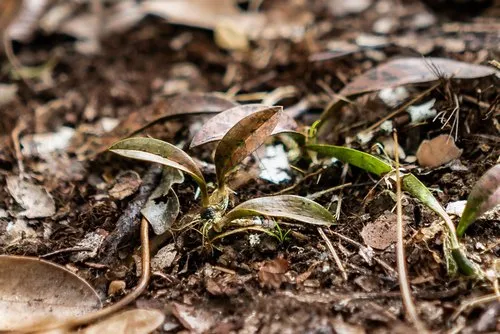
Mondrain Nature Reserve
Browse Mondrain Nature Reserve photos from Mauritius, including rare native plants, mountain ridge forest, conservation landscapes, endemic species, forest details and peaceful nature scenes captured by Explora photographers.
Read more about Mondrain Nature Reserve in Mauritius
About Mondrain Nature Reserve
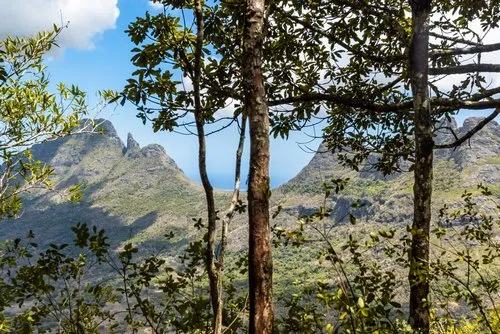
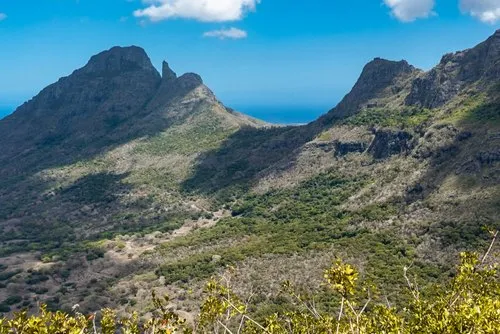
Mondrain Nature Reserve is a small but highly important nature reserve in Mauritius. It is located in the district of Plaines Wilhems, east of Vacoas, on a mid-altitude mountain ridge of around 550 metres overlooking the Tamarin River and the Magenta valley.
The reserve covers about 5.25 hectares, or 13 arpents, of native ridge forest. That may sound small, especially compared with larger nature areas such as Black River Gorges National Park, but Mondrain protects one of the best-preserved ridge forests in Mauritius. Small reserve, serious biodiversity value.
A Rare Mountain Ridge Forest
Mondrain is considered one of the best-preserved ridge forests in Mauritius. Ridge forests are exposed habitats found on mountain crests and slopes, where wind, altitude, rain and soil conditions create a very specific environment for plants.
This makes the reserve especially important for forest and nature conservation. In a small island where much native vegetation has been lost, even a few hectares of well-preserved forest can protect species that survive in very limited places.
Native and Endemic Plants
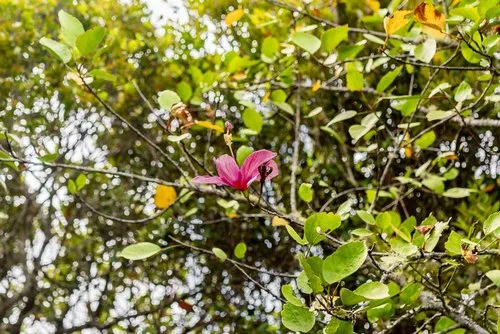
Mondrain Nature Reserve is known for its rich diversity of rare native and endemic plants. Its flora is largely made up of species that belong naturally to Mauritius, including some that are extremely rare today.
The reserve is especially important for species such as Hibiscus genevii and Syzygium pyneei, which have disappeared from other parts of Mauritius, as well as rare plants like Oeceoclades maculata, an indigenous orchid. These names may not be familiar to most visitors, but they matter. They represent the fragile botanical heritage of Mauritius.
For visitors interested in plants of Mauritius, Mondrain is a reminder that the island’s natural beauty is not only about big landscapes. Sometimes it is found in one rare flower, one native shrub, one small orchid or one forest patch still holding on.
Conservation Importance of Mondrain
The biological importance of Mondrain comes from the number of rare species that survive within a very small area. This makes the reserve important for in-situ conservation, meaning plants are protected in their natural habitat rather than only in nurseries, gardens or seed collections.
Mondrain also plays a role in the conservation of crop wild relatives. These are wild plant species related to cultivated plants, and they can be valuable for research, resilience and long-term biodiversity. The reserve is known to hold several priority crop wild relatives within the same protected area.
History and Management of the Reserve
Mondrain Nature Reserve was inaugurated on 4 October 1979, on the occasion of the 150th anniversary of the Royal Society of Arts and Sciences of Mauritius. The reserve belongs to Médine Limited and was previously leased to the Royal Society of Arts and Sciences of Mauritius from 1979 to 2009.
Because of its uniqueness and its importance for Mauritian biodiversity, Médine later granted a long-term lease to the Mauritian Wildlife Foundation to help protect the reserve. This partnership is important because a site like Mondrain needs active conservation, not only good intentions.
Rare plants can be threatened by invasive species, habitat degradation, human disturbance and natural events such as cyclones. Without management, even a valuable forest patch can decline quickly.
Why Small Reserves Matter
It is easy to think that only large parks matter. In Mauritius, that would be a mistake. Because native habitats are now fragmented, small reserves like Mondrain can be extremely important. They may protect species that no longer survive elsewhere, or they may preserve a particular forest type that has become rare.
Small protected areas can also act as living archives of the island’s natural history. They show what certain parts of Mauritius may once have looked like before sugarcane, roads, houses and invasive plants changed the landscape.
Trees, Orchids and Forest Details
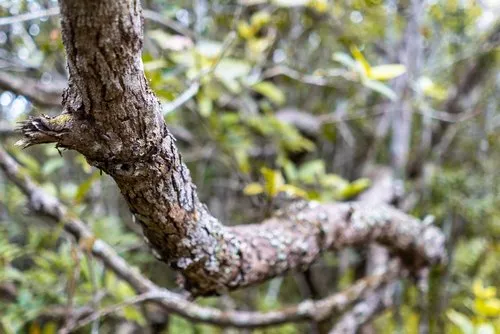
For photography, Mondrain is not about wide beach views or dramatic waterfalls. It is about forest details: leaves, bark, orchids, branches, small flowers, moss, shadows, native trees and the quiet texture of a protected ridge forest.
Visitors and photographers interested in trees and native forest plants can find this kind of reserve especially meaningful. A rare tree or orchid may not look spectacular to everyone at first glance, but its conservation value can be enormous.
Birds, Insects and Small Wildlife
Although Mondrain is mainly known for plants, forest reserves also provide habitat for birds, insects, reptiles and other small wildlife. Healthy native vegetation supports more than just the plants themselves. It creates shelter, food and breeding conditions for many living things.
Photographers may not always see large animals here, but patient observation can reveal small nature scenes: insects on leaves, birds moving through branches, lizards in sunny patches or tiny details that make the forest feel alive.
Connection with the Mountains of Mauritius
Because Mondrain is located on a mountain ridge, it also belongs to the wider story of the mountain landscapes of Mauritius. The island’s ridges, peaks and upland forests often hold some of the most important remaining native habitats.
These higher and more exposed places can be difficult for agriculture or development, which is one reason some native vegetation survived there longer than in flatter areas. The result is a scattered but precious network of forest remnants across the island.
Photography at Mondrain Nature Reserve
Mondrain Nature Reserve is best suited to nature-detail photography. Instead of looking for big panoramic scenes, photographers should focus on textures, rare plants, forest layers, leaves, orchids, trunks, filtered light and the quiet mood of the ridge forest.
Soft light is useful for this kind of photography. Cloudy weather can actually be better than harsh sun, because it reduces strong shadows and helps show plant details more clearly. In native forest, bright midday light can be difficult. A softer sky often does the work for you.
Responsible Visiting and Access
Because Mondrain protects rare species, access should be treated carefully. Visitors should follow any rules set by the landowner, conservation managers or guides. It is important not to remove plants, damage vegetation, leave marked paths, or disturb restoration work.
Rare plants are not souvenirs. They should remain exactly where they are. A good photo is enough.
Visiting Tips
If visiting Mondrain is possible through authorised access or conservation-related visits, bring comfortable shoes, insect repellent, water and a camera suitable for close-up nature details. Move slowly, look carefully and avoid touching rare plants.
Mondrain is not a mass-tourism attraction. Its value is quieter and more scientific, but that is precisely what makes it special. It protects a fragile piece of Mauritius that many people will never notice, but which deserves to survive.
Mondrain Nature Reserve Photos from Mauritius
Explore photos of Mondrain Nature Reserve in Mauritius, from rare native plants and ridge forest details to endemic species, conservation landscapes, orchids, trees and peaceful nature scenes in the Plaines Wilhems district.