Animals of Mauritius
Browse animal photos from Mauritius, including birds, monkeys, giant tortoises, reptiles, fish, bats, deer, nature park animals, marine life and wildlife moments captured by Explora photographers.
Read more about animals in Mauritius
About Animals of Mauritius
Mauritius is not a safari destination, and that sometimes surprises visitors. You will not see elephants crossing the road or lions walking behind the hotel. The island’s wildlife is more subtle than that: birds in the forest, monkeys near mountain roads, giant tortoises in nature parks, fruit bats at dusk, fish in the lagoon, geckos on walls, and small creatures that appear when you slow down enough to notice them.
The animals of Mauritius tell a story of islands, extinction, conservation and adaptation. Some species are native or endemic, meaning they belong naturally to the region. Others were introduced by humans over the centuries. Together, they form a wildlife picture that is interesting, fragile and sometimes complicated.
Wildlife in Mauritius
Wildlife in Mauritius is closely linked to the island’s forests, lagoons, mountains, rivers, coastal areas and protected reserves. Many animals are not always easy to spot, especially endemic species that survive in limited habitats. But if you visit the right places, you may see birds, reptiles, bats, insects, fish and other animals in their natural environment.
Some of the best places to observe animals are forest and nature parks, marine parks, wetlands, mountain areas and conservation sites. Even a quiet garden can surprise you. A gecko on the wall, birds in the trees, a butterfly passing by — small things, yes, but very Mauritian too.
Endemic Animals of Mauritius
Mauritius is famous in conservation circles because many of its native animals evolved in isolation. That made them unique, but also vulnerable. The most famous example is the dodo, now extinct, but the island still has important endemic and native species that need protection.
Endemic wildlife includes several birds, reptiles, insects and other species found only in Mauritius or the Mascarene region. Some were once close to extinction and survived thanks to serious conservation work. This is one of the reasons animal photography in Mauritius matters. It can help people see that the island is not only beaches and resorts, but also rare living heritage.
Birds of Mauritius
Birds of Mauritius are among the most visible animals on the island. Some are common around gardens, towns and beaches, while others are rarer and linked to forest reserves or conservation areas.
Mauritius is known for birds such as the Mauritius kestrel, pink pigeon, echo parakeet, white-tailed tropicbird, red-whiskered bulbul, myna, sparrows, herons and many coastal or wetland birds. Some are native. Some are introduced. Some are noisy enough to announce themselves before you even see them.
For photographers, birds offer some of the best wildlife opportunities in Mauritius. Forest birds need patience, while coastal birds and garden birds are often easier to photograph. Either way, a long lens helps. Birds are not known for waiting politely.
Monkeys in Mauritius
Monkeys in Mauritius are mainly long-tailed macaques. They can be seen in forested areas, near mountain roads, around Grand Bassin, in some nature parks and occasionally near places where people gather with food.
They are clever, quick and sometimes cheeky. Visitors often enjoy seeing them, but monkeys should not be fed or approached too closely. Feeding encourages bad behaviour, makes them dependent on human food and can create problems for both animals and people.
In some religious places, especially around Hindu sites such as Grand Bassin, the presence of monkeys may also be seen through a cultural lens because of the connection with Lord Hanuman. Still, even in sacred surroundings, they remain wild animals. Respect, yes. Snacks, no.
Giant Tortoises
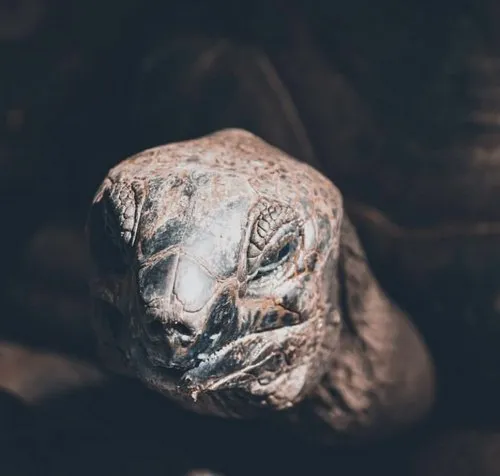
Giant tortoises are among the most loved animals visitors can see in Mauritius. Although the original native giant tortoises of Mauritius became extinct, Aldabra giant tortoises are now present in several parks and conservation sites.
Places such as La Vanille Nature Park and conservation areas linked to island restoration give visitors a chance to see these impressive animals up close. They move slowly, eat calmly and somehow make everyone else feel too hurried.
For photography, giant tortoises are excellent subjects. Their shells, faces, slow movement and ancient-looking presence give photos a lot of character. Simple, quiet, strong.
Reptiles and Small Creatures
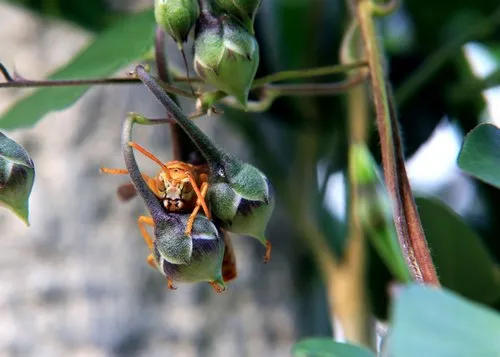
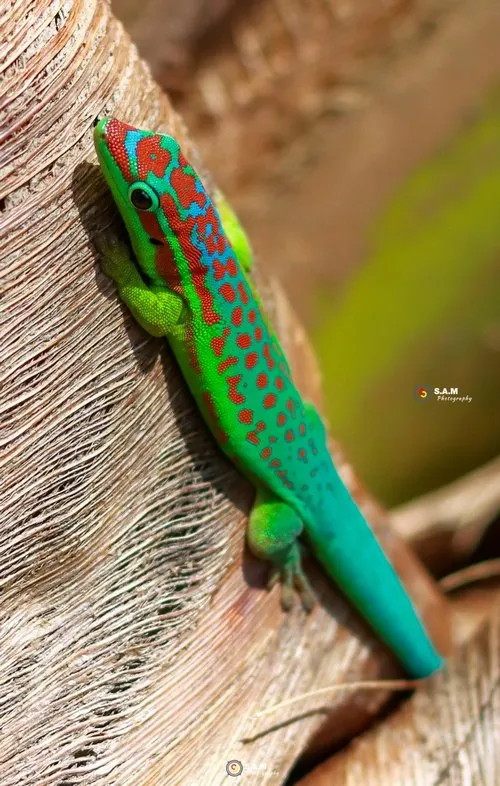
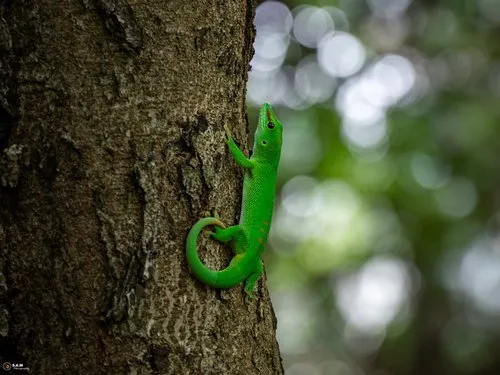
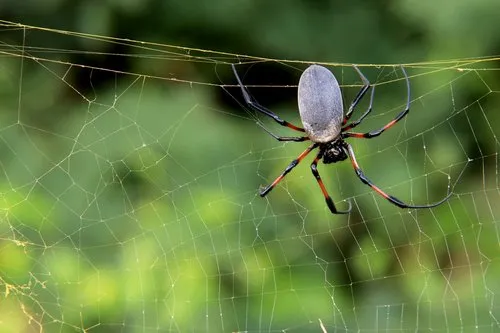
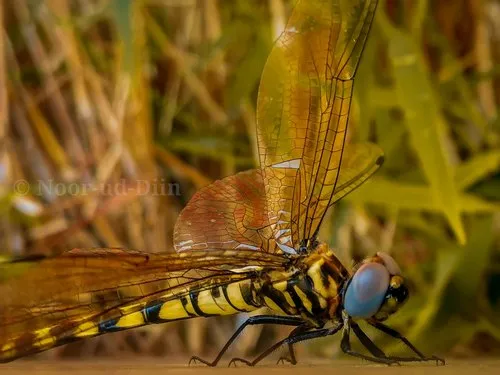
Mauritius has several reptiles and small animals that are easy to miss if you are only looking for big wildlife. Geckos, skinks, lizards, insects, butterflies and small invertebrates all form part of the island’s natural world.
Some of the most interesting reptiles are found on protected islets or in conservation areas, where native habitats are better preserved. Others are common around gardens, walls and forest edges. A lizard sitting in the sun on an old stone wall can be just as photogenic as a larger animal, if the light is right.
Fruit Bats
Fruit bats are among the most distinctive native mammals of Mauritius. They are often seen flying at dusk, especially around fruit trees or forested areas. Their large wings and slow, gliding movement make them easy to recognise once you know what to look for.
They play a role in the ecosystem, including seed dispersal, but they can also be controversial when they feed on cultivated fruits. Like many wildlife issues in Mauritius, the story is not simple. Nature, farming and human settlement are all squeezed onto a small island.
Deer and Introduced Animals
Deer are part of the Mauritian rural and estate landscape, especially in hunting areas, nature reserves and some large private estates. They are not native, but they have become part of the visible wildlife in some parts of the island.
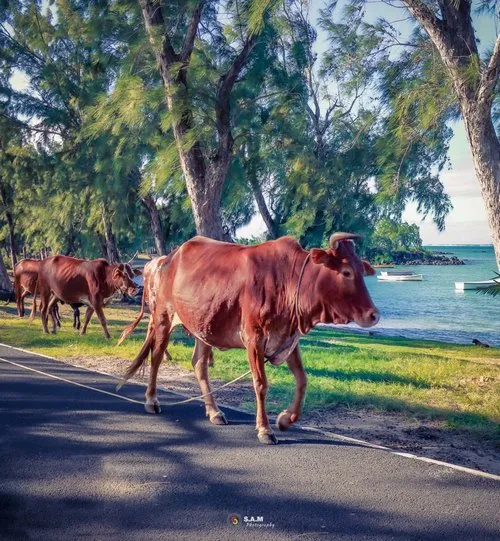
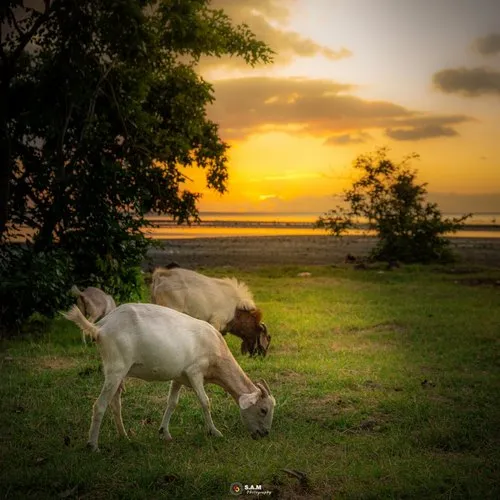
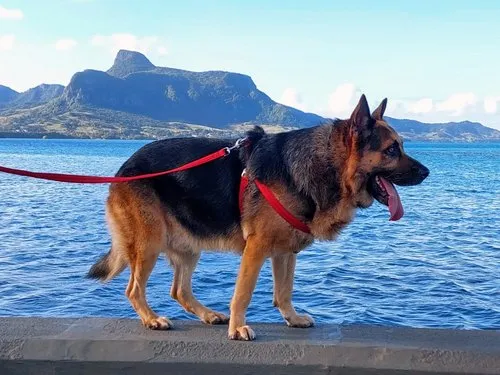
Mauritius also has other introduced animals, including rats, mongooses, cats, dogs and livestock. Some are familiar and harmless in everyday settings, while others have had serious effects on native ecosystems. On an island, introduced species can change things very quickly. Too quickly, sometimes.
Animals in Nature Parks
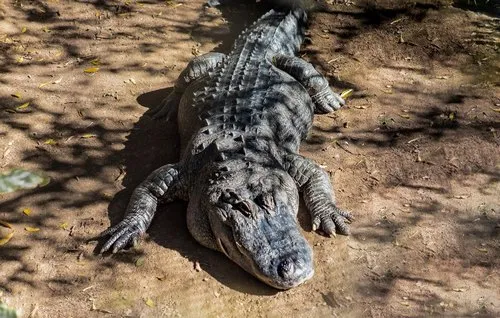
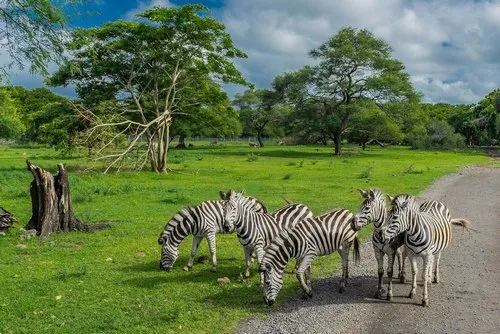
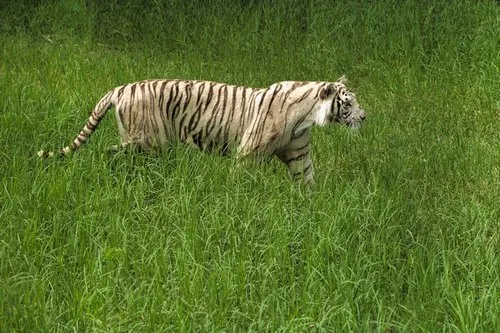
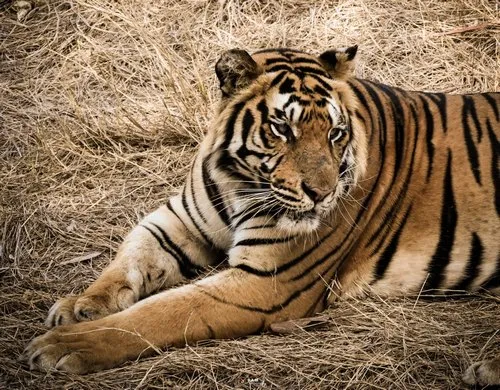
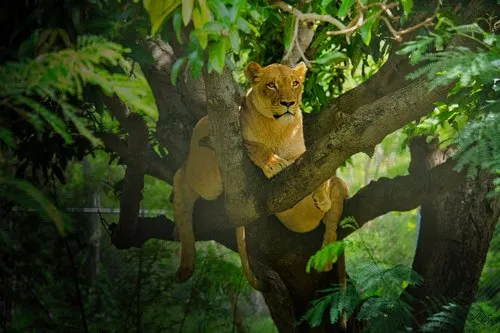
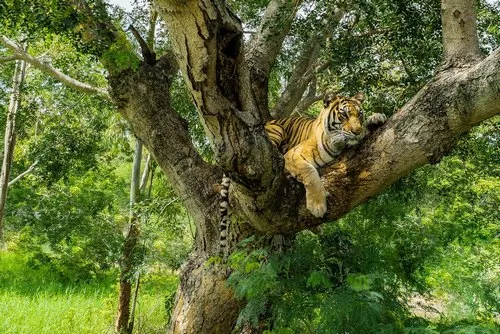
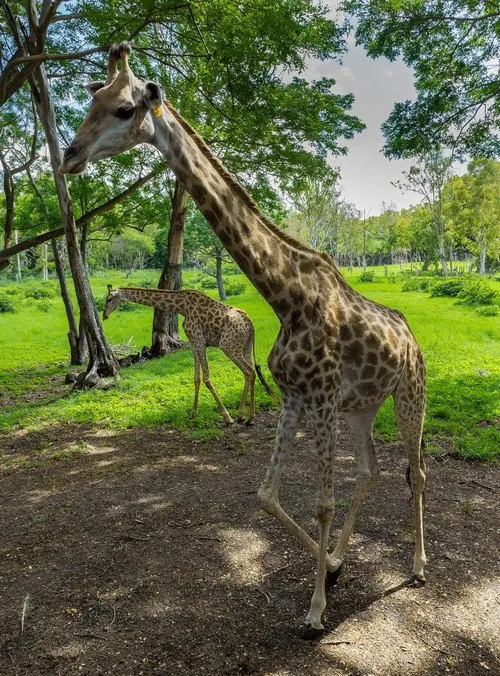
Several nature parks and attractions in Mauritius allow visitors to see animals more easily than in the wild. Casela Nature Parks is known for safari-style experiences, birds, big cats, giraffes, zebras, tortoises and family activities. La Vanille Nature Park is known for giant tortoises, crocodiles, reptiles and tropical paths.
These parks are useful for families and photographers who want closer animal views, but the experience is different from seeing wildlife in natural habitats. It is still important to respect the animals, follow park rules and avoid treating them as props for photos.
Marine Animals and Fish
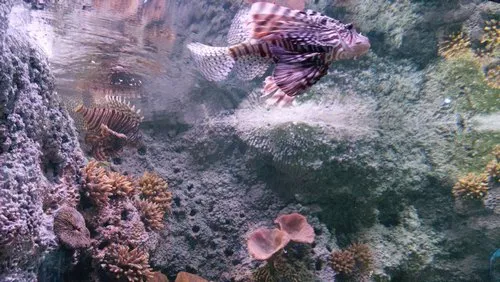
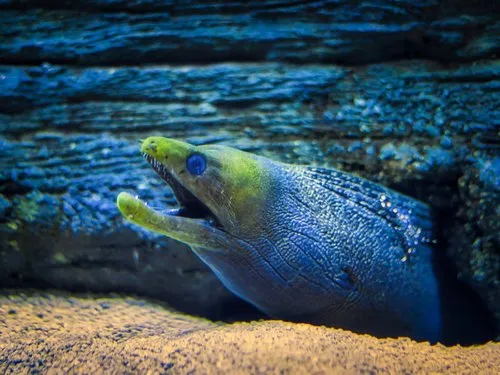
The sea around Mauritius is full of animal life. Fish, corals, sea turtles, dolphins, rays, sea urchins, crabs and many smaller marine creatures form part of the lagoon and reef ecosystems.
Visitors may see colourful reef fish while snorkelling in places such as Blue Bay, Trou aux Biches, Flic en Flac or Belle Mare. Dolphins are sometimes seen off the west coast, while deeper waters around Mauritius are known for larger marine species and fishing activity.
Marine animals are beautiful, but they are also vulnerable. Touching coral, feeding fish, chasing dolphins or disturbing sea turtles can cause real harm. A respectful distance is not only polite. It is necessary.
Corals and Reef Life
Corals may look like plants or rocks, but they are animals too. They build reef structures that shelter fish, protect lagoons and support much of the marine life around Mauritius.
Healthy reefs are full of movement: fish feeding, tiny creatures hiding, algae growing, sand shifting, water flowing through small spaces. A reef is not a decoration under the sea. It is a living city, only much quieter and much better organised than most cities on land.
Animals in Rodrigues
Rodrigues has its own strong wildlife and conservation identity. The island is known for its lagoon, seabirds, fishing traditions, giant tortoise conservation, caves and protected islets.
Seabirds, fish, corals, tortoises and lagoon life are especially important in Rodrigues. The island feels more open and rural than Mauritius, and animal photography there often has a different mood: less busy, more raw, more connected to the sea and land.
Conservation in Mauritius
Conservation is a major topic in Mauritius because the island has already lost important species in the past. The dodo is the famous example, but it is not the only one. Habitat loss, invasive species, pollution, climate change and human pressure continue to affect wildlife.
Protected forests, nature reserves, marine parks, islet restoration projects and breeding programmes all help safeguard what remains. The work is ongoing, and it matters. Mauritius may be small, but its biodiversity is valuable far beyond its size.
Animal Photography in Mauritius
Animal photography in Mauritius is not only about close-ups. Sometimes the best images show the animal in its place: a bird in a forest, a monkey near a temple road, a fish above coral, a tortoise under tropical leaves, a bat crossing the evening sky.
Patience helps. So does distance. Chasing animals rarely leads to better photos, and it often disturbs them. Watch first, move slowly, and let the scene settle. Animals usually give better moments when they forget you are there.
Responsible Wildlife Photography
Photographers should avoid feeding animals, touching wildlife, blocking animal paths, using flash too close, disturbing nests or entering restricted conservation areas. If people appear in the background, especially around religious places or villages, respect their privacy too.
With marine animals, the same rule applies underwater: do not touch, chase, stand on coral or move creatures for a photo. A beautiful wildlife image should not leave damage behind. That should be obvious, but it is worth repeating.
Visiting Tips
If you want to see animals in Mauritius, include a mix of places: forest reserves, nature parks, beaches, lagoons, wetlands and village roads. Go early when possible, keep your camera ready, and do not expect wildlife to follow your schedule. It will not.
For families, parks such as Casela and La Vanille are easy options. For more natural encounters, look towards forests, marine parks, Rodrigues, islets and quieter coastal areas. Mauritius rewards curious visitors, especially the ones who look beyond the beach chair.
Animal Photos from Mauritius
Explore photos of animals in Mauritius, from birds, monkeys and giant tortoises to reptiles, fish, bats, marine life, nature park animals and wildlife scenes across Mauritius and Rodrigues.