Mountains of Mauritius
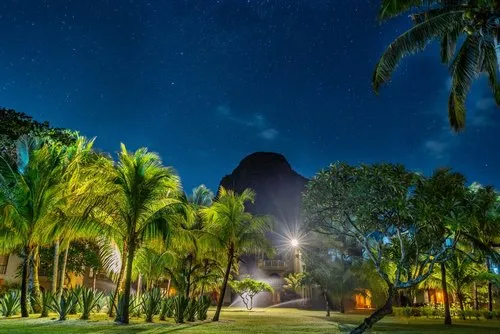
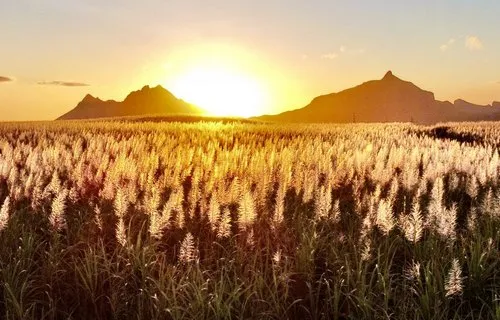
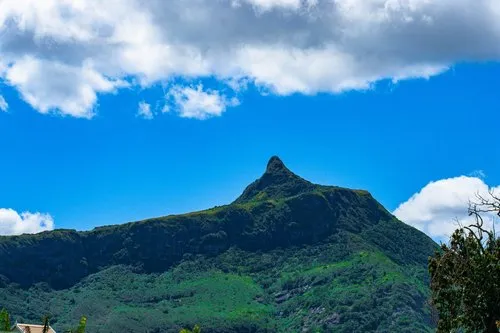
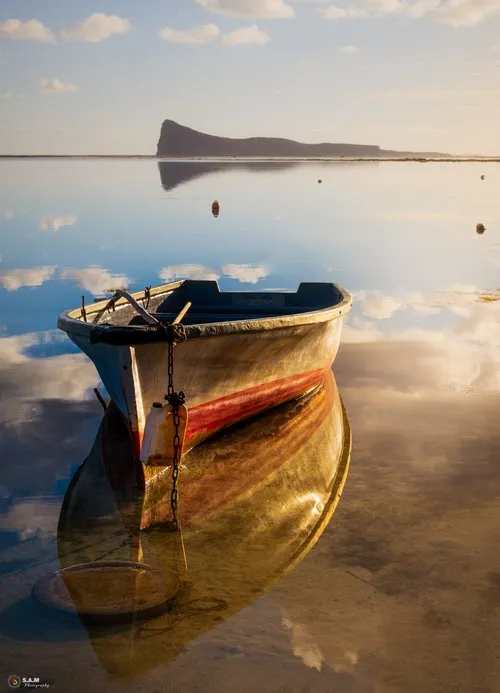
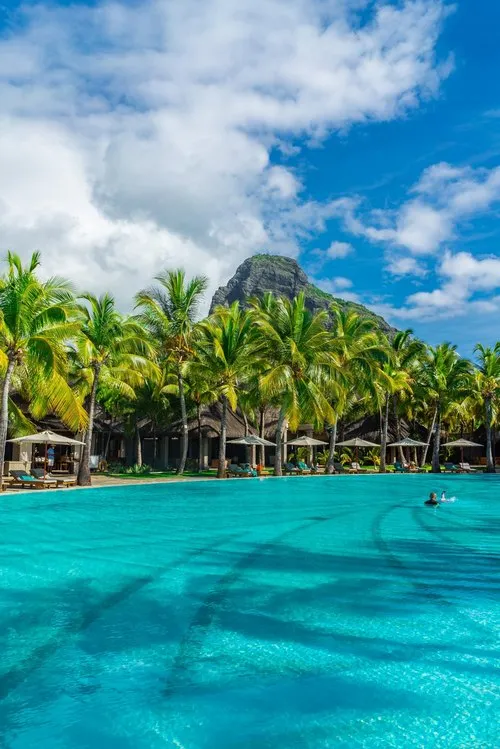
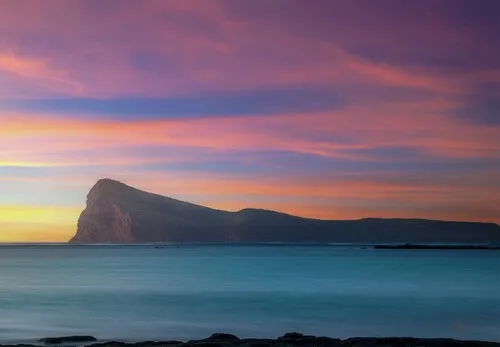
Browse mountain photos from Mauritius, including volcanic peaks, hiking trails, panoramic viewpoints, Le Morne Brabant, Pieter Both, Le Pouce, Black River Gorges, forest ridges and dramatic island landscapes captured by Explora photographers.
Read more about mountains in Mauritius
About Mountains of Mauritius
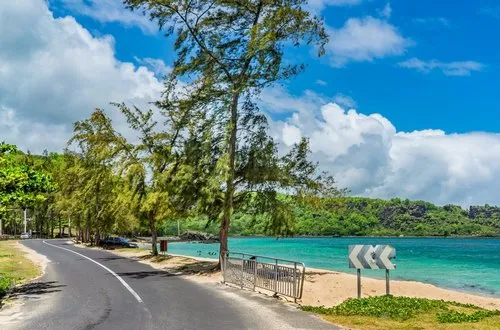
Mauritius is often introduced through its white sand beaches and turquoise lagoons, but the island’s mountains are just as important to its character. They rise behind villages, frame coastal roads, create dramatic backdrops for beaches, protect native forest, feed rivers and waterfalls, and offer some of the best hiking views in the Indian Ocean.
The mountains of Mauritius are volcanic in origin. Their sharp shapes, ridges, isolated peaks and steep slopes are reminders of an older geological story. Some look like sleeping animals, some like human profiles, some like broken walls of stone. Mauritians have given them names, legends and memories, and visitors quickly understand why.
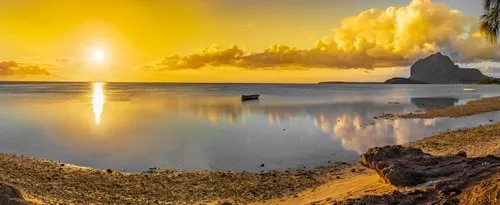
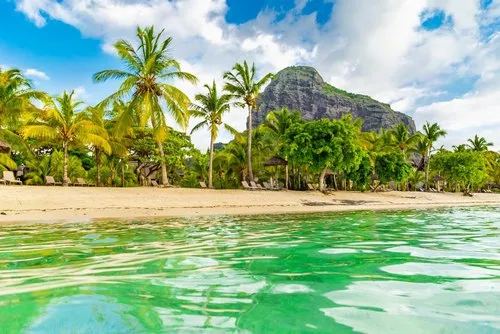
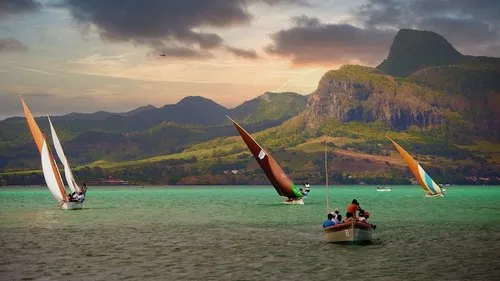
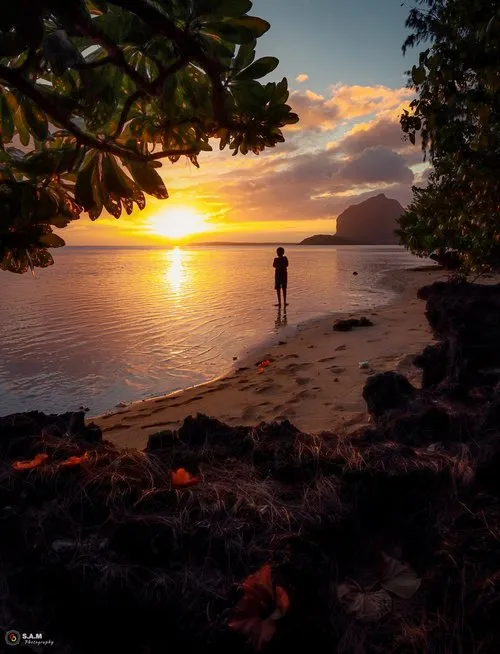
For photographers, mountains are among the strongest subjects in Mauritius. They give scale to beaches, depth to villages, drama to clouds, and emotion to sunrise or sunset scenes. A lagoon without a mountain can be beautiful. A lagoon with Le Morne, Lion Mountain or La Tourelle in the background becomes unmistakably Mauritian.
Mountain Ranges in Mauritius
The main mountain ranges of Mauritius include the Black River Range, Moka-Port Louis Range, Grand Port Range, Bambous Range and Savanne Range. Each has a different mood, from the forested highlands of Black River Gorges to the sharp rocky silhouettes around Moka and the historic south-east mountains near Mahebourg.
The Black River Range includes the highest point of Mauritius, Piton de la Petite Rivière Noire. The Moka-Port Louis Range includes Pieter Both, Le Pouce and Signal Mountain. The Grand Port and Bambous ranges include Lion Mountain and peaks around the south-east. The Savanne and south-western mountain areas include Le Morne Brabant, Piton Savanne and several highland viewpoints.
Highest Mountains in Mauritius
The highest and most notable mountains of Mauritius include Piton de la Petite Rivière Noire at about 828 metres, Pieter Both at about 820 metres, Le Pouce at about 812 metres, Mont Cocotte at about 770 to 780 metres, Mount Rempart at about 777 metres, Corps de Garde at about 720 metres, Piton Savanne at about 704 metres, Piton Grand Bassin at about 702 metres, Curepipe Point at about 686 metres, Montagne Lagrave at about 638 metres, Mont Calebasses at about 632 metres, Trois Mamelles at about 629 metres, Le Morne Brabant at about 550 to 556 metres, La Tourelle de Tamarin at about 548 metres, Lion Mountain at about 480 metres and Signal Mountain at about 323 metres.
Elevation figures may vary slightly depending on the map, survey or source used. For travel and photography purposes, it is best to treat them as approximate heights rather than a strict scientific ranking of every summit on the island.
1. Piton de la Petite Rivière Noire
Piton de la Petite Rivière Noire, also called Black River Peak, is the highest mountain in Mauritius at about 828 metres. It is located in the south-west, inside Black River Gorges National Park.
The hike to the summit is one of the most popular mountain walks in Mauritius. The trail passes through forested highland scenery before reaching the famous viewpoint and summit bench. On a clear day, hikers can enjoy views over the west coast, Black River, Le Morne, forest ridges and the surrounding valleys.
This mountain is especially important because it is not only a viewpoint. It is part of the largest protected forest area in Mauritius, home to native plants, endemic birds and some of the most valuable remaining natural habitats on the island.
2. Pieter Both
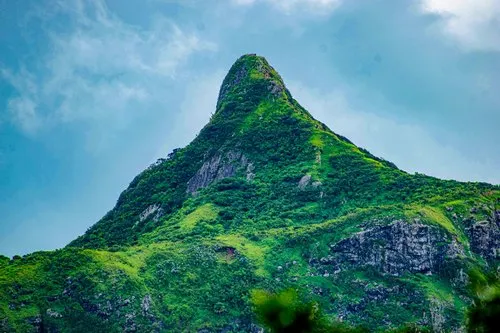
Pieter Both is the second highest mountain in Mauritius, rising to about 820 metres in the Moka Range. It is one of the most recognisable peaks on the island because of the large rock formation at the summit, often said to resemble a human head.
The mountain is visually striking from many parts of the central and northern regions. It dominates the skyline near Moka, Saint Pierre and surrounding villages, giving the landscape a dramatic volcanic character.
Hiking Pieter Both is not a casual walk. The final sections can involve exposed scrambling and rope-assisted climbing. It is usually recommended only for experienced hikers or visitors going with qualified guides. From a photography point of view, however, Pieter Both can be admired from many safe viewpoints on the ground.
3. Le Pouce Mountain
Le Pouce is the third highest mountain in Mauritius, at about 812 metres. Its name means “the thumb”, referring to the shape of the summit. It stands in the Moka-Port Louis Range between Pieter Both and Signal Mountain.
Le Pouce is one of the best-known hikes in Mauritius because it is more accessible than Pieter Both while still offering spectacular views. The trail can be started from Moka or Saint Pierre, and the final climb to the top is steeper but manageable for many hikers with reasonable fitness.
From the summit, the view is excellent: Port Louis, Moka, the central plateau, northern villages and offshore islands such as Coin de Mire, Flat Island and Round Island may be visible on a clear day.
4. Mount Rempart
Mount Rempart rises in the west of Mauritius and is one of the notable high peaks of the island, often listed at around 777 metres. It is less famous than Le Pouce or Le Morne, but its shape and position make it an important part of the western mountain landscape.
The mountain is visible from several parts of the west and central region. It contributes to the dramatic scenery around Tamarin, Black River and surrounding inland routes.
Mount Rempart is more of a hiking and landscape mountain than a simple tourist stop. Access and difficulty can vary, so visitors should check local guidance before attempting any route.
5. Mont Cocotte
Mont Cocotte is one of the high mountains of Mauritius, often listed at around 770 to 780 metres. It is located in the south-west highlands and is linked with the greener, wetter mountain landscapes near Black River Gorges and Plaine Champagne.
This area is more about forest, clouds, ridge views and inland atmosphere than beach scenery. For photographers, Mont Cocotte and the surrounding highlands are interesting because they show the quieter, mistier side of Mauritius.
6. Corps de Garde
Corps de Garde is one of the most visible mountains in the west-central region of Mauritius, rising to about 720 metres. Its long ridge and steep slopes make it easy to recognise from Quatre Bornes, Rose Hill, Tamarin road and other parts of the island.
The hike to Corps de Garde is popular with local hikers. It offers excellent views over the central plateau, west coast, towns and surrounding mountains. The route can be exposed to sun, so an early start is usually better.
For photography, Corps de Garde works well at sunrise, sunset or under dramatic clouds. Its ridge shape gives strong silhouettes, especially when seen from the urban areas below.
7. Piton Savanne
Piton Savanne is one of the highland peaks of the south, often listed at around 704 metres. It belongs to the greener inland mountain scenery of the Savanne district.
The area around Piton Savanne is useful for visitors who want to see a less commercial side of Mauritius: highland roads, forests, reservoirs, mist, nearby Grand Bassin and routes towards the south-west.
8. Piton Grand Bassin
Piton Grand Bassin, at around 702 metres, is linked with the highland area around Grand Bassin, also known as Ganga Talao. This region combines mountain scenery, crater lakes, temples, forest roads and cooler weather.
Grand Bassin is one of the most important religious sites in Mauritius, so the surrounding mountain landscape has both natural and cultural meaning. Visitors should approach the area with respect, especially during pilgrimage periods such as Maha Shivaratree.
9. Curepipe Point
Curepipe Point is often listed among the higher elevations of Mauritius, at around 686 metres. The Curepipe and central plateau region is cooler and wetter than most coastal areas, which gives it a very different atmosphere.
Although not as famous as the dramatic isolated peaks, the high central plateau is important because it shapes weather, water catchments, reservoirs and the greener inland mood of Mauritius.
10. Montagne Lagrave and Mont Calebasses
Montagne Lagrave and Mont Calebasses are part of the Moka and central mountain landscape. They are not as famous as Pieter Both or Le Pouce, but they contribute to the broken volcanic skyline of inland Mauritius.
These smaller or less visited mountains are interesting for hikers and photographers who want to move beyond the most popular viewpoints. They show that Mauritius has many peaks that are known locally even if they are not always promoted in travel brochures.
11. Trois Mamelles
Trois Mamelles is a distinctive mountain with three rounded peaks, located in the west of Mauritius. Its shape makes it one of the recognisable silhouettes of the island.
The mountain is especially attractive in photos because of its form. It can be framed with roads, fields, villages, clouds or sunset light, and it adds depth to the western landscape.
12. Le Morne Brabant
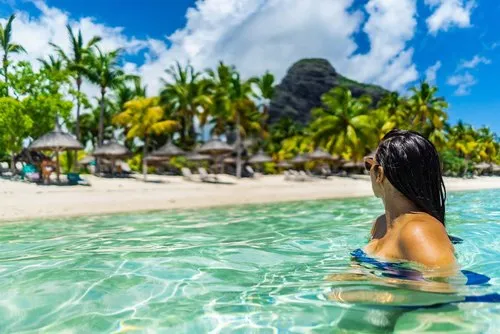
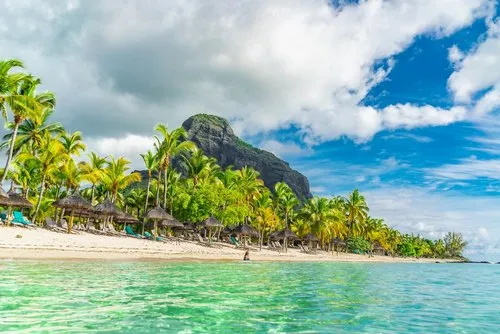
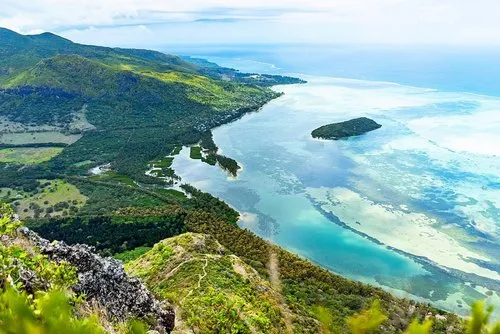
Le Morne Brabant is one of the most iconic mountains in Mauritius. It rises on the south-west peninsula, above one of the most beautiful lagoon landscapes of the island.
Le Morne is not the highest mountain, but it is one of the most meaningful. It is a UNESCO World Heritage Site because of its connection with maroon resistance and the history of enslaved people who took refuge on its slopes and cliffs during the 18th and early 19th centuries.
The hike is popular but should be approached with respect. The lower sections are easier, while the upper sections can be steep and exposed. The views over the lagoon, reef, beaches and south-west coast are unforgettable, but the mountain is not only a viewpoint. It is a place of memory.
13. La Tourelle de Tamarin
La Tourelle de Tamarin rises above Tamarin and Black River, giving the west coast one of its strongest mountain backdrops. It is closely linked with Tamarin village and beach.
The mountain is popular with hikers, but access may depend on route, guide arrangements and local conditions. From the top, views can include Tamarin Bay, Black River, Rempart Mountain, the west coast and the surrounding inland landscape.
For photography, La Tourelle is excellent from both below and above. From Tamarin, it gives the bay a powerful background. From the slopes, it opens the west coast into a wide panorama.
14. Lion Mountain
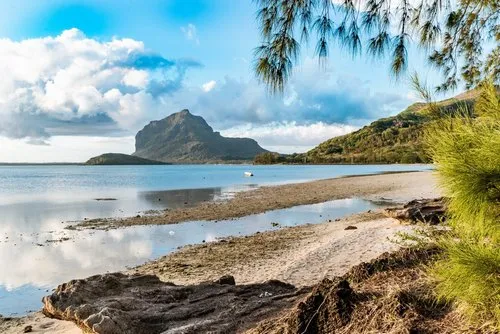
Lion Mountain is one of the most famous peaks in the south-east of Mauritius. It takes its name from its shape, which many people compare to a resting lion.
The mountain overlooks the Grand Port and Mahebourg region, with views towards the south-east lagoon, Ile aux Aigrettes, Blue Bay and the surrounding sugarcane fields. It is one of the best mountains for understanding the historic south-east of the island.
The hike can be physical, with steep and rocky sections. It is best suited to hikers who are comfortable with uneven terrain and who start early to avoid heat.
15. Signal Mountain
Signal Mountain, or Montagne des Signaux, rises above Port Louis. It is not among the highest mountains of Mauritius, but it is one of the most accessible urban viewpoints.
The name comes from its historical role as a lookout point used to signal the arrival and departure of ships near the harbour. Today, it is popular with walkers and joggers, especially in the morning and late afternoon.
From Signal Mountain, visitors can see Port Louis city, the harbour, the Moka Range and the surrounding urban landscape. It is a good example of how mountains and city life meet in Mauritius.
Other Notable Mountains and Peaks in Mauritius
Other notable mountains, peaks and elevated landscapes in Mauritius include Mont du Rempart, Montagne Ory, Montagne Blanche, Montagne Longue, Montagne Fayence, Montagne Bambous, Montagne Créole, Montagne du Corps de Garde, Montagne des Signaux, Montagne Jurançon, Montagne Limon, Montagne Lion, Montagne du Pouce, Mount Jacquot, Mount Laselle, Mount Lubin, Mount Perruche, Montagne Terre Rouge, Piton Canot, Piton de Savanne, Piton du Fouge, Piton du Milieu, Piton du Canot, Montagne du Rempart and smaller ridges found around Moka, Grand Port, Savanne, Black River and the central plateau.
This list is useful for visitors, photographers and SEO, but it should not be treated as a complete scientific inventory of every hill, ridge or named elevation on the island. Mauritius has many local mountain names, and some are better known to hikers, residents or old maps than to tourists.
Best Mountains for Hiking in Mauritius
The best mountains for hiking in Mauritius depend on your fitness, experience and comfort with heights. Le Pouce, Signal Mountain and parts of Black River Peak are among the more accessible hikes. Le Morne, La Tourelle, Corps de Garde and Lion Mountain are more demanding. Pieter Both is for experienced hikers or guided climbing only.
Easy to Moderate Hikes
Signal Mountain is one of the easiest mountain walks, especially for visitors staying near Port Louis. Le Pouce is more demanding but still accessible to many hikers. Black River Peak can be moderate if using the common Plaine Champagne route, although weather and trail conditions can change the experience.
These hikes are good choices for visitors who want mountain views without technical climbing. Still, good shoes, water and sun protection are important.
Moderate to Difficult Hikes
Le Morne Brabant, Corps de Garde, La Tourelle and Lion Mountain are more physical. They may include steep paths, exposed areas, rocky sections or longer walking time.
These hikes reward effort with excellent views, but they should not be underestimated. Visitors should check access, weather, route conditions and whether a guide is recommended.
Technical and Guided Climbs
Pieter Both is the best-known technical mountain climb in Mauritius. The final part involves exposed scrambling and may require ropes and proper climbing support.
Visitors should not attempt Pieter Both casually. It is better to go with experienced guides who know the mountain, the equipment and the safest route.
Mountains, Forests and Nature
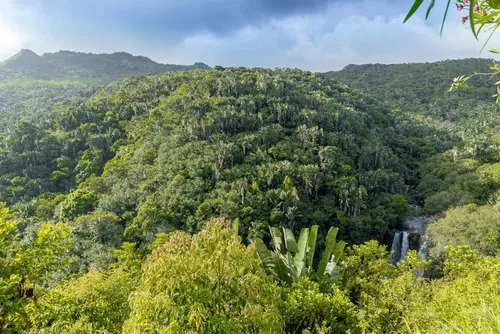
Mountains in Mauritius are closely linked with forests and nature parks. The highlands, ridges and valleys help protect native vegetation, birds, rivers and waterfalls.
Black River Gorges National Park is the best example. Its mountains and forests protect rare native species and form one of the most important conservation landscapes on the island.
Mountain areas also create cooler and wetter conditions than the coast. This is why visitors may find mist, rain, moss, ferns, forest paths and dramatic clouds in the highlands even when the beach looks sunny.
Mountains, Rivers and Waterfalls
The mountains of Mauritius help feed rivers and freshwater landscapes, which in turn create some of the island’s most beautiful waterfalls. Places such as Black River Gorges, Chamarel, Alexandra Falls, 7 Cascades and the south-west highlands are all connected by this mountain-water relationship.
For photographers, this connection is very useful. A mountain trip can include forest, river stones, waterfalls, mist, viewpoints and coastal panoramas in the same day.
Mountains and Beaches
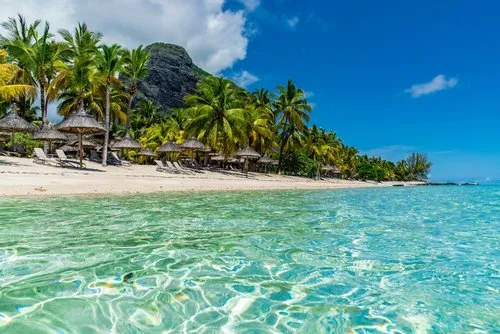
One of the most beautiful things about Mauritius is how close mountains and beaches can be. Le Morne rises directly above a lagoon. La Tourelle stands behind Tamarin Bay. Lion Mountain overlooks the south-east coast. The Moka Range sits behind Port Louis and the northern plains.
This is why many beach photos in Mauritius become stronger when mountains are included. They turn a simple tropical scene into a landscape with depth and identity.
Mountain Photography in Mauritius
Mountains are excellent subjects for photography because they work in many conditions. Clear skies give panoramic views. Clouds give drama. Mist gives atmosphere. Sunrise and sunset give silhouettes. Even rain can make mountain scenes feel more alive.
Best Mountain Photo Subjects
Good mountain photo subjects in Mauritius include Le Morne Brabant, Pieter Both, Le Pouce, Black River Peak, Corps de Garde, La Tourelle, Lion Mountain, Signal Mountain, mountain roads, hikers, forest ridges, clouds, waterfalls, village views and coastal panoramas.
For a stronger photo, include foreground and context. A mountain behind a beach, a road, a village, a sugarcane field, a fisherman, a hiker or a cloudy sky usually tells a better story than a mountain alone.
Best Time for Mountain Photography
Early morning and late afternoon are usually the best times for mountain photography. The light is softer, shadows create depth, and the air may be clearer before heat and haze build up.
For hiking photos, morning is also safer and more comfortable. Midday heat can make climbs harder, especially on exposed mountains such as Corps de Garde and Le Morne.
Drone and Aerial Mountain Photography
Drone and aerial photography in Mauritius can reveal the shape of mountains, ridges, forests, villages, roads and coastlines in a way that ground photos cannot.
Drone pilots should follow local rules, avoid restricted areas, respect wildlife and people, and be very careful with wind around ridges. Mountains can create sudden gusts and unstable flying conditions.
Black and White Mountain Photography
Mountains work beautifully in black and white photography. Strong silhouettes, clouds, ridges, rocks and hiking figures can become more dramatic when colour is removed.
Pieter Both, Le Morne, Corps de Garde and Lion Mountain are especially strong in monochrome because their shapes are so recognisable.
Hiking Safety in Mauritius
Mountain hiking in Mauritius should be taken seriously. The island is small, but some trails are steep, exposed, slippery after rain or difficult to follow. Weather can change quickly in the highlands and on ridges.
Wear proper shoes, bring enough water, start early, protect yourself from sun, check the weather and do not hike difficult trails alone. For Le Morne, Pieter Both, Lion Mountain, La Tourelle and lesser-known routes, consider a guide if you are unsure.
Respect private property, protected areas and marked trails. Do not leave litter, do not damage plants and do not disturb wildlife. The best mountain experience is one where both the visitor and the mountain remain unharmed.
Useful Online References
Useful sources about mountains, hiking and protected landscapes in Mauritius include the National Parks and Conservation Service page on Black River Gorges National Park, the UNESCO page on Le Morne Cultural Landscape, the PeakVisor mountain list for Mauritius, the Peakbagger page for Piton de la Petite Rivière Noire, the Heritage Resorts guide to mountains of Mauritius and the Mauritius Attractions guide to scenic mountains in Mauritius.
Visiting Tips
If you want to explore the mountains of Mauritius, choose the hike according to your fitness and experience. Start with Signal Mountain or Le Pouce if you want accessible views. Choose Black River Peak for forest and highland scenery. Choose Le Morne for history and lagoon views. Choose Lion Mountain or La Tourelle for stronger adventure. Leave Pieter Both for experienced climbers with proper guidance.
For photography, do not rush. Mountains change with light and weather. A view that looks flat at midday may become beautiful at sunset. A cloudy ridge may suddenly open for five minutes. Mauritius is like that. The mountain makes you wait, then rewards you when it feels like it.
Mountain Photos from Mauritius
Explore photos of mountains in Mauritius, from Piton de la Petite Rivière Noire, Pieter Both and Le Pouce to Le Morne Brabant, Corps de Garde, La Tourelle, Lion Mountain, forest trails, hiking views and volcanic island landscapes.