Forests and Nature Parks
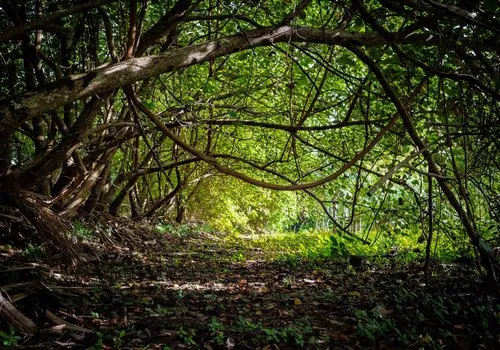
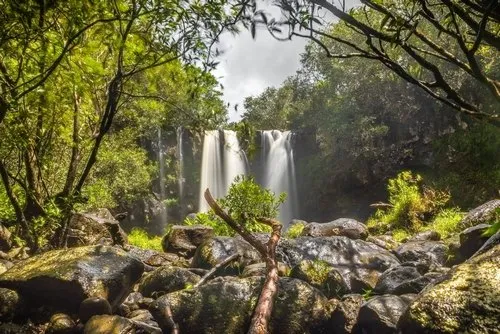
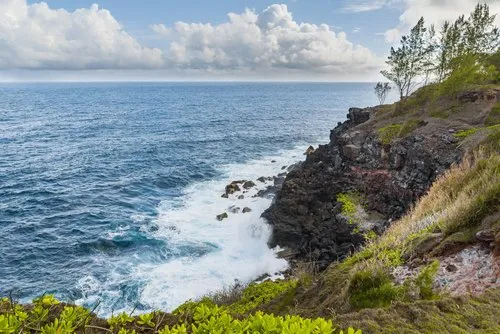
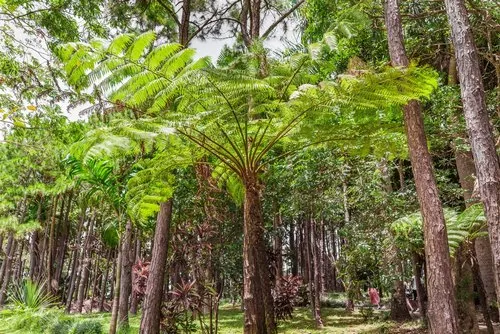
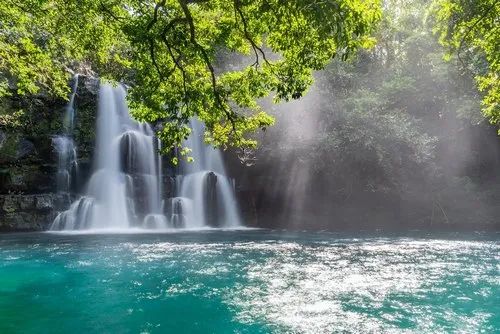
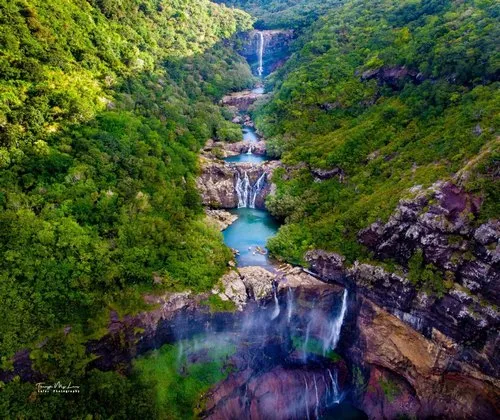
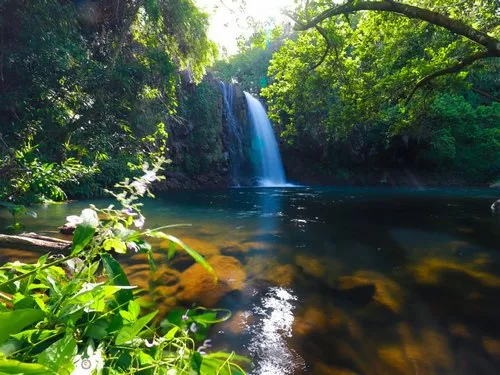
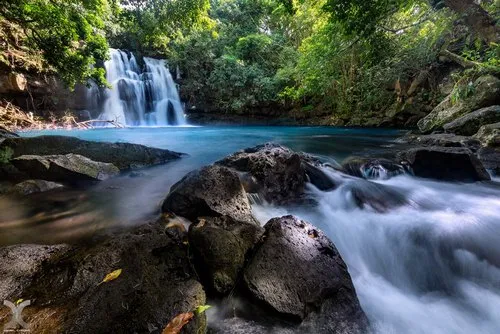
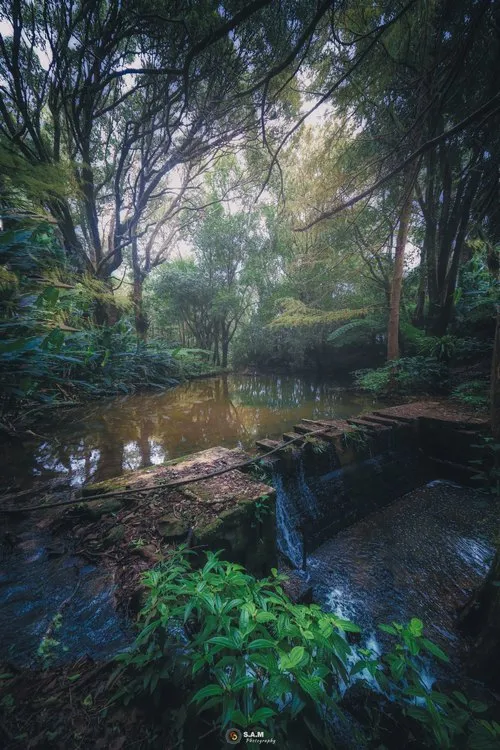
Browse forest and nature park photos from Mauritius, including national parks, hiking trails, waterfalls, mountain forests, endemic plants, birds, wildlife reserves and green landscapes captured by Explora photographers.
Read more about forests and nature parks in Mauritius
About Forests and Nature Parks in Mauritius
Mauritius is famous for beaches, lagoons and island views, but the inland side of the country deserves just as much attention. Forests, nature parks, mountain trails, waterfalls, endemic plants, rare birds and conservation reserves show a very different Mauritius. Less beach towel, more hiking shoes. Less turquoise water, more green shadows and muddy paths. Also nice.
Forests and nature parks in Mauritius are important because much of the island’s original native forest has disappeared over time. Agriculture, sugarcane fields, settlements, invasive plants and development have changed the landscape deeply. Today, the remaining native forests are precious, not only because they are beautiful, but because they protect rare species that exist nowhere else.
For visitors and photographers, these green places are useful for more than sightseeing. They show the volcanic relief of Mauritius, the importance of water catchments, the survival of native plants, the work of conservation organisations and the quieter landscapes that many tourists miss when they stay only on the coast.
Why Forests Matter in Mauritius
Forests in Mauritius protect native plants, endemic birds, insects, reptiles, bats, rivers, waterfalls and mountain ecosystems. They also help control erosion, protect water catchments and preserve some of the last landscapes that still resemble the island before heavy human transformation.
This is why forest photos matter on Explora. A beach photo shows the beauty of the coast. A forest photo shows the survival of the island’s natural heritage. Different story, same Mauritius.
Main Forests in Mauritius
The main forests and forest reserves in Mauritius include Black River Gorges National Park in the south-west, Bras d’Eau National Park in the north-east, Daruty Forest or Belle Vue Forest near Petit Raffray, La Vallée de Ferney near Mahebourg, Ebony Forest in Chamarel, Ile aux Aigrettes Nature Reserve near Mahebourg and Monvert Nature Park near Forest Side.
These places are not all identical. Some are official national parks, some are conservation reserves, some are restored native forests, and others are easy walking areas close to towns or villages. Together, they show how varied the green side of Mauritius can be.
Black River Gorges National Park
Black River Gorges National Park is the largest and most important protected forest area in Mauritius. Located in the south-west, it protects deep valleys, native forest, rivers, waterfalls, mountain ridges, rare plants and endemic birds.
The park covers about 6,574 hectares and includes the highest point of Mauritius, Piton de la Rivière Noire. It is also one of the best places to experience forest hiking in Mauritius, with trails, viewpoints, picnic areas and landscapes that change quickly with mist, rain and sunlight.
Popular places in and around the park include Alexandra Falls, Gorges Viewpoint, Macchabée Forest, Pétrin, Mare Longue, Black River Peak, Plaine Champagne and several forest trails. For photographers, this is one of the strongest inland locations on the island.
Bras d’Eau National Park
Bras d’Eau National Park is located in the north-east of Mauritius, near Poste Lafayette and Roches Noires. It is quieter than Black River Gorges and has a very different atmosphere: dry coastal forest, old ruins, shaded paths, birds, mangroves and small inland water bodies such as Mare Sarcelle.
The Bras d’Eau loop trail is one of the easiest forest walks in Mauritius. It is generally flatter than the mountain hikes of the south-west and offers a calm nature experience for visitors who want a simple walk rather than a difficult climb.
Bras d’Eau is also interesting for birdwatching, especially around forest edges and wetland areas. It is a good reminder that nature in Mauritius is not only dramatic mountain scenery. Sometimes it is quiet forest, bird calls and a path through shade.
Daruty Forest or Belle Vue Forest
Daruty Forest, also known as Belle Vue Forest, is located near Petit Raffray in the north of Mauritius. It is one of the easiest forest walks on the island, with mostly flat trails, shaded paths and a peaceful woodland atmosphere.
The forest is popular with walkers, joggers, families, cyclists and people looking for a simple nature break in the north. It is not a difficult mountain hike, which makes it suitable for many visitors, including beginners and families who want a relaxed walk under the trees.
Daruty Forest also has a historical side. The area is linked with the old Belle Vue and Daruty sugar estates, and traces of colonial sugar-mill heritage can still be found around the forest. This gives the place more character than a simple walking trail.
For photographers, Daruty Forest is good for path photos, tall trees, shaded woodland scenes, morning light, walkers, cyclists and quiet nature details. It is especially useful because the north of Mauritius is often associated with beaches, while Daruty shows a greener and more inland side of the region.
La Vallée de Ferney
La Vallée de Ferney is a nature and conservation reserve in the south-east of Mauritius, near Mahebourg and the Bambou Mountain range. It protects native forest and is known for endemic plants, rare birds, guided walks and views over the south-east.
The reserve is one of the best places to understand conservation in Mauritius. Visitors may learn about native trees, invasive species, forest restoration and birds such as the Mauritius kestrel, pink pigeon and echo parakeet.
For photographers, Ferney offers forest trails, mountain views, green slopes, birdlife and a quieter atmosphere than many more commercial attractions. It is especially useful for visitors staying around Mahebourg, Blue Bay or the south-east.
Ebony Forest in Chamarel
Ebony Forest, located near Chamarel and the Seven Coloured Earth, is one of the most important forest restoration projects in Mauritius. It focuses on restoring native ecosystems, removing invasive plants and protecting endemic species.
The reserve is known for ebony trees, bird conservation, guided tours, jeep tours, raised walkways, viewpoints and educational activities. It is a very good place for visitors who want to understand why native forest restoration matters so much in Mauritius.
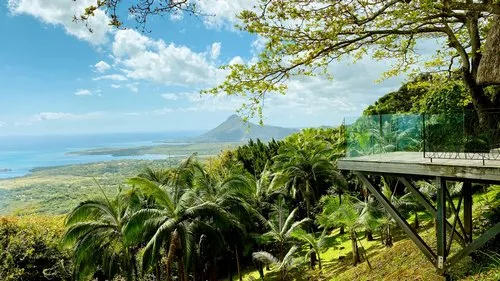
Ebony Forest is also highly photogenic. You can capture forest textures, old ebony trees, mountain views, native plants, birds and wide views towards the south-west. It works well together with Chamarel, Black River Gorges and Le Morne in a full south-west itinerary.
Ile aux Aigrettes Nature Reserve
Ile aux Aigrettes is a small nature reserve in Mahebourg Bay, off the south-east coast. It is very important because it protects and restores dry coastal forest, one of the rarest habitats in Mauritius.
The islet is known for native plants, giant tortoises, birds, reptiles and conservation work. Guided visits help visitors understand what parts of the Mauritian coast may once have looked like before much of the original habitat disappeared.
For nature lovers, Ile aux Aigrettes is one of the best conservation visits in Mauritius. It is not a big adventure hike, but it is deeply meaningful.
Monvert Nature Park
Monvert Nature Park is located near Forest Side and Curepipe. It is less famous than the larger tourist parks, but it is useful for discovering native plants, forest paths and a quieter green area in the central region.
Because it is close to the towns of the central plateau, Monvert can be a good nature stop for visitors who want a short walk, plant photography or a break from urban surroundings.
Main Nature Parks in Mauritius
The main nature parks and outdoor attractions in Mauritius include La Vanille Nature Park near Rivière des Anguilles, Casela Nature Parks near Cascavelle, Domaine de l’Étoile in the east and Vallée des Couleurs Nature Park in the south.
These places are more visitor-oriented than wild forest reserves. Some focus on animals, some on family activities, some on adventure experiences, and others on waterfalls, viewpoints or outdoor leisure. They are useful for visitors who want nature with facilities, guided activities or easier access.
La Vanille Nature Park
La Vanille Nature Park is located near Rivière des Anguilles in the south of Mauritius. It is known for giant tortoises, crocodiles, reptiles, insects, tropical paths and family-friendly nature visits.
This is more of an animal and visitor park than a wild forest reserve, but it remains important for nature photography. Giant tortoises, shaded paths, ponds, reptiles and tropical greenery create many photo opportunities.
La Vanille is a good choice for families and visitors exploring the south, especially when combined with Gris Gris, Souillac, Rochester Falls or Saint Aubin.
Casela Nature Parks
Casela Nature Parks is located near Cascavelle, on the west side of Mauritius. It is one of the most popular family attractions on the island, known for safari-style areas, birds, big cats, giraffes, zebras, tortoises, outdoor activities and adventure experiences.
Casela is not a native forest reserve in the same sense as Black River Gorges or Ferney. It is more of a wildlife and adventure park. Still, it belongs naturally on a page about nature parks because many visitors search for animal and outdoor attractions in Mauritius.
For photographers, Casela offers animal portraits, family scenes, bird photos, safari-style landscapes and views towards the west coast and nearby mountains.
Domaine de l’Étoile
Domaine de l’Étoile is a large natural estate in the east of Mauritius, near the Bambou Mountains. It is known for outdoor activities, green landscapes, trails, viewpoints, quad biking, horse riding and nature-based excursions.
The scenery is different from the humid forests of Black River Gorges. Here, visitors can find wide views, slopes, valleys, trees, tracks and open spaces. It is useful for people who want nature with activities rather than only quiet hiking.
Vallée des Couleurs Nature Park
Vallée des Couleurs Nature Park is located in the south of Mauritius and is known for coloured earth, waterfalls, viewpoints, endemic plants, adventure activities and mountain scenery.
It is one of the more activity-focused nature parks, with options such as ziplining, quad biking and sightseeing. For photography, it offers waterfalls, forest patches, coloured earth landscapes, views and outdoor adventure scenes.
Best Nature Parks in Mauritius
The best nature parks in Mauritius depend on what you want to see. For wild forest and hiking, Black River Gorges National Park is the strongest choice. For a quieter forest walk, Bras d’Eau National Park is excellent. For an easy family-friendly woodland trail in the north, Daruty Forest or Belle Vue Forest is a good option. For conservation and endemic birds, La Vallée de Ferney and Ebony Forest are among the best. For families and animals, Casela Nature Parks and La Vanille Nature Park are the easiest options. For south-coast adventure and viewpoints, Vallée des Couleurs is a good choice.
If you want the most authentic native forest experience, start with Black River Gorges, Ferney, Ebony Forest and Ile aux Aigrettes. If you want a fun visitor attraction with animals or activities, choose Casela, La Vanille or Vallée des Couleurs. The word “nature park” can mean very different things in Mauritius, so it helps to know what kind of nature you are looking for.
Best Forest Hikes in Mauritius
Some of the best forest and nature hikes in Mauritius include Black River Peak, Macchabée Trail, Mare Longue Loop, Alexandra Falls area, Bras d’Eau Loop, La Vallée de Ferney guided trails, Ebony Forest walks, Le Pouce, Le Morne Brabant, Corps de Garde, Lion Mountain and the 7 Cascades or Tamarin Falls area.
Not all hikes are inside official national parks. Some are mountain trails, private estate trails or guided hikes. The important thing is to choose the right level. Mauritius may look small, but some trails are steep, muddy, exposed or difficult after rain. Good shoes are not optional if you want to enjoy the walk instead of sliding down it with regret.
Le Pouce Mountain
Le Pouce is one of the best-known mountain hikes in Mauritius. It rises above Moka and offers wide views towards Port Louis, the north, the central plateau and surrounding mountains.
It is not a forest hike in the same way as Black River Gorges, but it belongs naturally to the island’s nature and hiking story. The climb gives visitors a strong sense of the volcanic relief of Mauritius and the way towns, fields and mountains fit together.
Le Morne Brabant
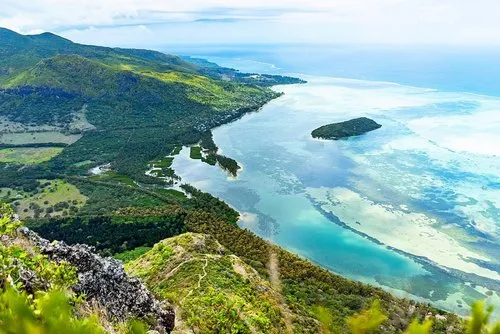
Le Morne Brabant is one of the most meaningful hikes in Mauritius. Located in the south-west, it is a UNESCO World Heritage Site and a place deeply connected with the history of slavery and maroon resistance.
The hike offers spectacular views over the lagoon, reef, coast and surrounding mountains. It should be approached with respect, both because of the cultural meaning of the site and because parts of the climb can be steep and exposed.
7 Cascades and Tamarin Falls
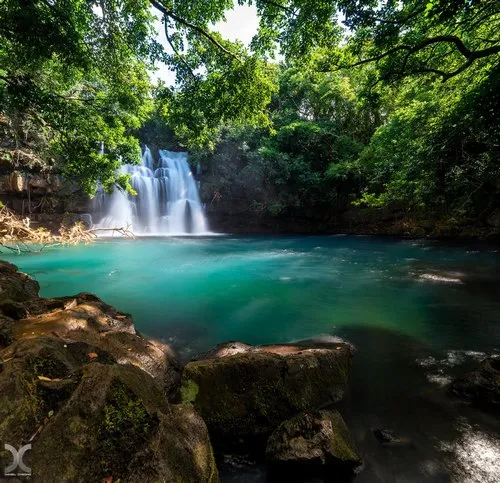
The 7 Cascades, also known as Tamarin Falls, is one of the most popular waterfall hiking areas in Mauritius. It offers a series of waterfalls, pools, forested paths, cliffs and viewpoints.
This is a beautiful but sometimes risky area, especially after rain. Visitors should consider going with a guide, particularly if they want to explore multiple waterfalls, swim safely or try canyoning. Slippery rocks and steep paths are part of the experience. So is common sense.
Trees and Plants Found in Mauritian Forests
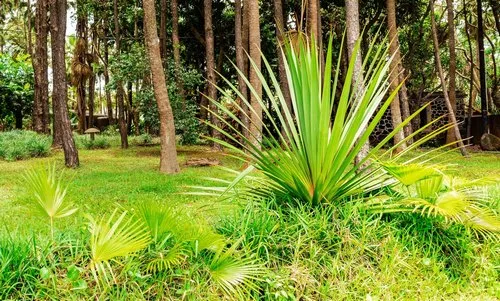
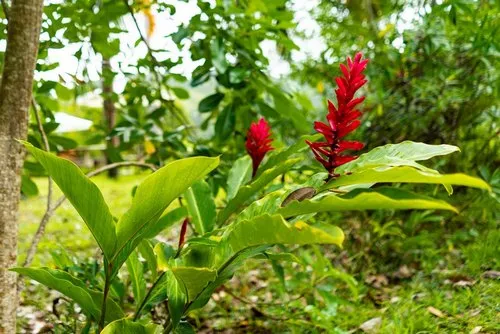
Native trees and forests in Mauritius may include ebony, bois de natte, bois clou, takamaka, tambalacoque, bois de chandelle, screw pine, vacoas, palmiste, bois d’olive, bois de pomme, ferns, orchids, mosses and many other native or endemic plants depending on the forest type and altitude.
Ebony trees are among the most symbolic forest trees of Mauritius because they were heavily exploited in the past. Tambalacoque, sometimes called the dodo tree, is another famous native tree linked with Mauritian natural history. Takamaka and bois de natte are also important names visitors may hear during guided nature walks.
Some plants are rare and not always easy to identify without a guide. That is why guided visits in places such as Ferney, Ebony Forest or Ile aux Aigrettes can be useful. You do not just walk past a tree. You learn why it matters.
Wildlife in Forests and Nature Parks
Mauritian forests are important habitats for several species of birds in Mauritius, bats, reptiles, insects and other small animals. Rare birds such as the Mauritius kestrel, pink pigeon and echo parakeet are closely linked to conservation work in native forests.
Visitors may also see monkeys in some forested areas, especially near roads or viewpoints. Monkeys in Mauritius can be entertaining, but they should not be fed. Feeding them creates problems for both wildlife and people.
For animal photography, forests require patience. You may hear birds before seeing them. You may see leaves move and nothing else. Then suddenly a bird appears for two seconds and leaves. Typical.
Waterfalls, Rivers and Mountains
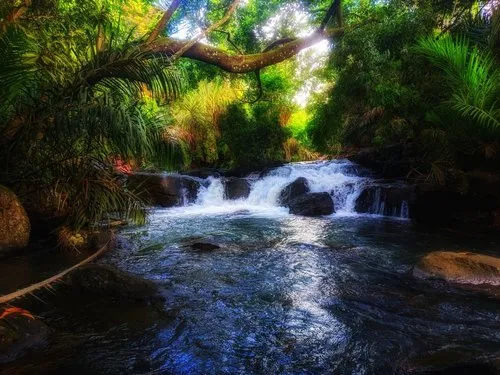
Forests in Mauritius are closely linked with waterfalls of Mauritius and rivers of Mauritius. Rainfall in the highlands feeds streams, gorges, reservoirs and cascades, especially around Black River Gorges, Chamarel, 7 Cascades and the south-west.
This connection gives forest photography a lot of variety. You can photograph tree canopies, river stones, wet leaves, falling water, mist and mountain views in the same region. After rain, the scenery can become more dramatic, but paths may also become more slippery.
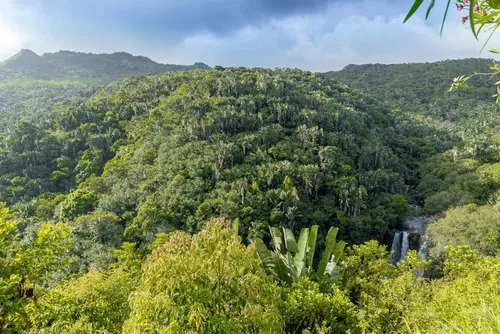
Many of the best nature photos in Mauritius include both forest and mountain landscapes of Mauritius. Forested slopes, ridgelines, misty peaks, valleys and volcanic shapes give the island its inland character.
Mountain forests are especially photogenic in the morning or when clouds move across the ridges. Clear views are nice, but mist can be better. It gives depth, mood and a sense that the forest is alive.
Nature Parks for Families
For families, the easiest nature parks in Mauritius are usually Casela Nature Parks, La Vanille Nature Park, Vallée des Couleurs, Ebony Forest and some guided visits at Ferney or Ile aux Aigrettes. These places offer more structure, facilities or guided experiences than wild hikes.
For very young children, avoid long difficult hikes unless you are well prepared. A short forest walk, animal park, viewpoint or guided nature visit may be far more enjoyable. Nature is better when nobody is crying halfway up a muddy hill. Adults included.
Photography in Forests and Nature Parks
Forests and nature parks are excellent for photography, but they require a different eye from beach photography. Light is softer, darker and more uneven. Colours are less obvious. The best photos often come from details: leaves, bark, roots, paths, birds, waterfalls, mist, old trees, moss, insects and people walking through the landscape.
Wide views work well at mountain viewpoints, but inside the forest, look for texture and atmosphere. A wet leaf, an old ebony tree, a stream crossing, a path disappearing into shade or a bird sitting briefly in the light can all make strong images.
Best Time to Visit Forests and Nature Parks
Morning is usually the best time to visit forests and nature parks in Mauritius. The light is softer, the temperature is cooler, birds may be more active, and popular sites are often quieter.
After rain, waterfalls and rivers can be more impressive, but trails may become muddy and slippery. During dry periods, some areas may feel less lush, but hiking can be easier. In the highlands, bring a light rain jacket even if the coast looks sunny. Mauritius likes to change the weather without asking.
Responsible Forest Visits
When visiting forests and nature parks in Mauritius, stay on marked paths, do not remove plants, do not feed animals, do not leave litter and respect private land or conservation rules. Native forest is fragile, and some species survive only in small protected areas.
Good nature photography should not damage the thing being photographed. Do not step on young plants, disturb birds, break branches for a clearer view or fly drones where they are not allowed. A respectful visit is always the better one.
Visiting Tips
Bring comfortable shoes, water, sun protection, insect repellent and a light rain jacket if you are visiting highland or forest areas. For longer hikes, consider a guide, especially in places such as 7 Cascades, Black River Gorges, Le Morne or less obvious mountain routes.
Choose the park according to your aim. For hiking, choose Black River Gorges, Bras d’Eau, Le Pouce, Le Morne or 7 Cascades. For conservation, choose Ferney, Ebony Forest or Ile aux Aigrettes. For animals and family activities, choose Casela or La Vanille. For adventure activities, choose Vallée des Couleurs or Domaine de l’Étoile.
Mauritius is small, but its nature is varied. Give it time. The beach can wait a few hours.
Forest and Nature Park Photos from Mauritius
Explore photos of forests and nature parks in Mauritius, from Black River Gorges, Bras d’Eau, Ferney and Ebony Forest to waterfalls, hiking trails, endemic birds, native plants, mountain views and family-friendly nature attractions.