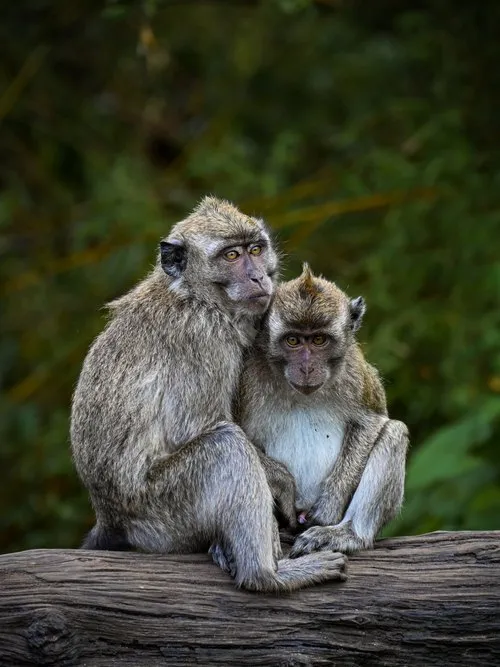
Monkeys in Mauritius
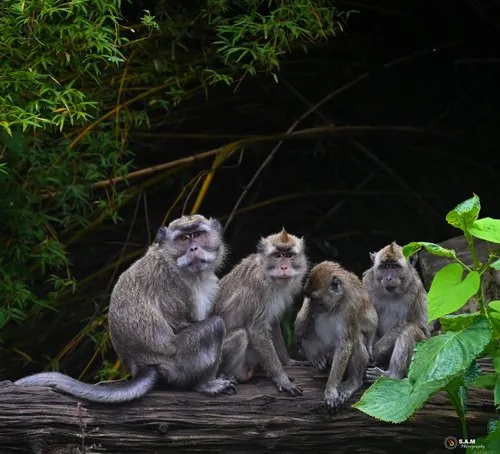
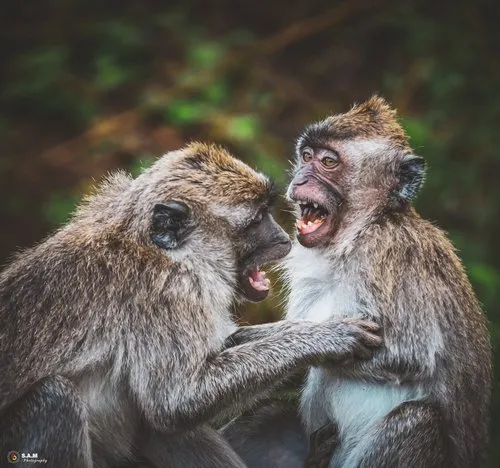
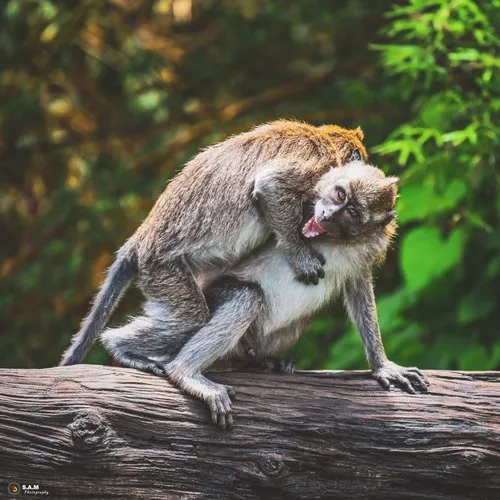
Browse monkey photos from Mauritius, including wild macaques, forest encounters, nature park scenes, temple surroundings, mountain roads and curious animal moments captured by Explora photographers.
Read more about monkeys in Mauritius
About Monkeys in Mauritius
Monkeys are among the most familiar wild animals visitors may notice in Mauritius, especially around forests, mountain roads, nature parks and certain religious places. They are quick, clever, sometimes funny, sometimes cheeky, and almost always watching you more carefully than you are watching them.
The monkeys seen in Mauritius are mainly long-tailed macaques. They were introduced to the island a long time ago and have adapted very well to local conditions. Today, they are part of the island’s everyday wildlife scenery, even though their presence is not always simple from an ecological point of view.
Where to See Monkeys in Mauritius
Monkeys may be seen in several inland and forested areas of Mauritius, especially near forest and nature places, mountain roads, viewpoints and parks. Visitors may also spot them near Grand Bassin, around Black River Gorges, in some nature reserves, and sometimes close to roads where forest and human activity meet.
They are also commonly associated with attractions such as Casela Nature Parks and La Vanille Nature Park, where visitors can discover different kinds of animals in Mauritius. In the wild, though, monkeys are not always where you expect them. One minute the trees are quiet, the next minute a whole little troop is crossing the road as if they own the place. Which, frankly, they seem to believe.
Monkeys Around Grand Bassin and Religious Places
One of the places where visitors often notice monkeys is Grand Bassin, also known as Ganga Talao. This sacred lake is one of the most important Hindu pilgrimage sites in Mauritius, and monkeys are often seen around the surrounding trees, temple areas and roadside spots.
In Hindu culture, monkeys have a special symbolic connection through Lord Hanuman, the monkey-god associated with devotion, strength, courage and loyalty. Because of this, the presence of monkeys around religious places can feel meaningful to some devotees and visitors, especially in a place like Grand Bassin where Hindu traditions are very visible.
That said, it is better not to romanticise everything too much. Monkeys near temples may look charming, but they are still wild animals. They can grab food, open bags, fight among themselves, or become bold when people feed them too often. Respect is good. Distance is better.
Monkey Behaviour
Monkeys in Mauritius are social animals and often move in groups. You may see them grooming each other, carrying young, sitting on branches, crossing roads, looking for food or watching people with that very serious monkey face. They can appear playful, but they are also alert and opportunistic.
Food is the big problem. Once monkeys learn that people carry snacks, they become more confident. A plastic bag, a fruit, a packet of biscuits, even something inside a car can attract attention. They are fast too. Much faster than a surprised tourist trying to save a sandwich.
Should Visitors Feed Monkeys?
It is better not to feed monkeys. Feeding encourages them to approach people, depend on human food and behave aggressively around visitors. It can also harm their health, especially when they eat processed food, salty snacks or sweet items that are not part of their natural diet.
Even if a monkey looks cute or harmless, feeding it can create problems for the next person. And for the monkey itself. A quick photo moment is not worth changing an animal’s behaviour.
Monkeys and Nature in Mauritius
Monkeys are part of the visible wildlife of Mauritius, but their presence can also affect native ecosystems. They may feed on fruits, seeds, flowers, eggs or small animals, and this can create pressure on some native species. So while they are interesting to watch and photograph, they are not simply harmless mascots of the forest.
This is why nature photography in Mauritius should show animals honestly. Monkeys can be beautiful, expressive and full of character, but they are also part of a more complicated island ecology. Mauritius is small. Every species has an impact.
Photography of Monkeys in Mauritius
Monkeys are excellent photo subjects because they are expressive. Their eyes, hands, posture and behaviour can make a photo feel alive. A monkey sitting quietly in a tree, a mother carrying a baby, or a troop moving through greenery can tell a strong visual story.
For better photos, use patience rather than chasing them. Stay calm, keep some distance, and let the scene happen. Forest light can be difficult, with bright patches and deep shadows, so watch the background carefully. A monkey against leaves, temple steps, mountain mist or old stonework can make a much stronger image than a rushed close-up.
Safety Around Monkeys
Visitors should avoid touching monkeys, feeding them, teasing them or getting too close for photos. Keep food inside bags, close car windows if monkeys are nearby, and do not leave snacks visible on seats or tables.
Parents should also keep an eye on children around monkeys. They may look entertaining, but they can bite or scratch if they feel threatened or if food is involved. The best rule is simple: enjoy watching them, but give them space.
Visiting Tips
If you want to see monkeys in Mauritius, forested areas, inland roads and places such as Grand Bassin are among the more likely spots. Early morning and quieter times can sometimes offer better viewing, although monkeys follow their own timetable. Very inconvenient of them.
For photography, bring a zoom lens if you have one, avoid flash, and do not block roads or disturb temple visitors when taking photos near religious places. A good monkey photo should feel natural, not forced.
Monkey Photos from Mauritius
Explore photos of monkeys in Mauritius, from forest and mountain encounters to nature park scenes, temple surroundings, animal portraits and curious wildlife moments around the island.