Port-Louis City
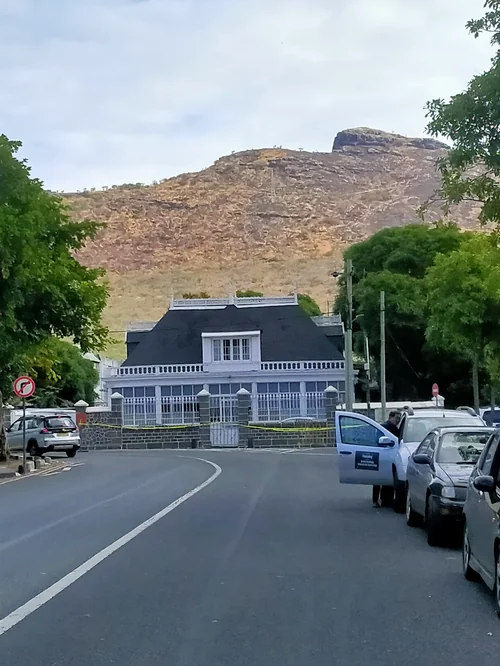
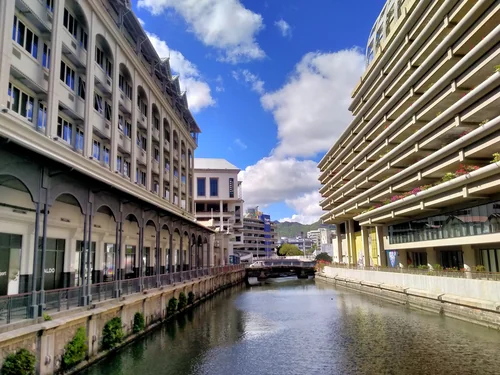
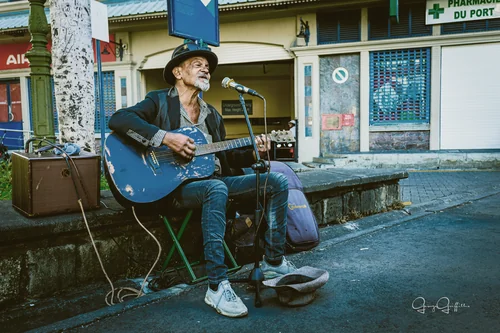
Browse Port Louis photos from Mauritius, including city streets, colonial buildings, markets, Chinatown, Caudan Waterfront, harbour views, museums, office towers, street food and everyday capital-city scenes captured by Explora photographers.
Read more about Port Louis in Mauritius
About Port Louis City
Port Louis is the capital city of Mauritius, and it feels like nowhere else on the island. It is busy, hot, noisy, historic, commercial, slightly chaotic at times, and full of small details that visitors often miss when they rush through it. Not a beach town. Not a postcard village. A real capital, with traffic, markets, office buildings, old stone walls, harbour cranes, food stalls and people moving fast because, well, work is work.
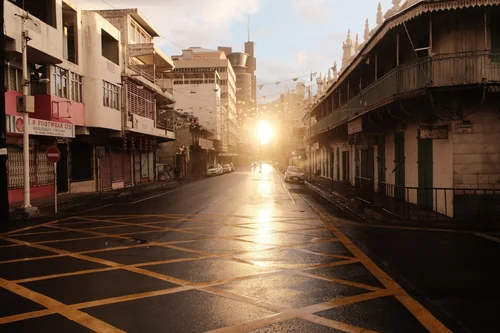
For photography, Port Louis is one of the richest places in Mauritius. You can capture architecture, old colonial buildings, street scenes, local shops, the harbour, museums, food stalls, office towers, cultural quarters, public gardens, churches, mosques, temples and the contrast between old Mauritius and modern city life.
A Short History of Port Louis
Port Louis became important during the French colonial period, when Governor Bertrand-François Mahé de La Bourdonnais developed it as a naval base, harbour and administrative centre. Its natural harbour made it one of the most strategic places on the island, especially at a time when ships connected Mauritius with trade routes across the Indian Ocean.
The city grew around the port, government buildings, warehouses, military structures, markets and commercial streets. Later, under British rule, Port Louis continued to develop as the administrative and economic centre of Mauritius. That layered history is still visible today if you look closely: French colonial lines here, British-era buildings there, old trading streets beside newer office blocks. A bit messy, but interesting messy.
The Harbour and Maritime Side of Port Louis
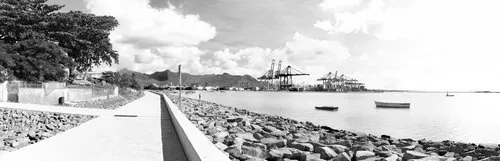
The harbour is one of the reasons Port Louis exists in the first place. Even today, it remains an important working port, with cargo activity, cruise arrivals, boats, cranes and waterfront views. It is not only a scenic background. It is part of the city’s economy and identity.
For photographers, the harbour gives Port Louis a different mood from inland towns. You can capture boats, reflections, industrial structures, ships, port lights, mountains behind the city and the meeting point between sea and urban life.
Caudan Waterfront
Caudan Waterfront is one of the easiest places for visitors to start exploring Port Louis. It sits between the harbour and the city centre, with shops, restaurants, cafés, cinemas, office spaces, public art, the famous colourful umbrellas and views over the water.
Caudan is more polished than the older streets of Port Louis, but that is part of the contrast. In one direction you have the harbour and modern waterfront. In another, you can walk towards the market, Chinatown, museums and historic streets. It is a useful bridge between tourist-friendly Port Louis and the more local city beyond it.
Central Market of Port Louis
The Central Market is one of the best places to feel the pulse of Port Louis. Fruit, vegetables, spices, herbal products, textiles, bags, souvenirs, food stalls, voices, colours, smells — everything is there. It is not always calm. It is not meant to be.
Visitors often come for fresh produce, local snacks, crafts and the atmosphere. Around the market, you also find small shops selling clothes, bags, fabrics and household items. This part of Port Louis is very good for street photography, but it asks for patience and respect. People are working, not posing for a brochure.
Street Food in Port Louis
Port Louis is one of the best places to taste Mauritian street food. Around the market, Chinatown, side streets and busy commercial areas, you may find dholl puri, farata, boulettes, mine frit, gateaux piments, alouda, fresh fruit, noodles, fried snacks and small plates that disappear far too quickly.
Food is one of the easiest ways to understand the city. Port Louis is Indian, Creole, Chinese, Muslim, French-influenced, African-influenced and Mauritian all at once. A simple food stop can say more about the capital than a long speech. Especially if there is chilli involved.
Chinatown and Its Restaurants
Chinatown is one of the most characterful areas of Port Louis. It is close to the market and waterfront, with old shops, family businesses, restaurants, signs, narrow streets, street art and food that reflects the Sino-Mauritian side of the island.
The area is known for Chinese cakes, dim sums, noodles, roast meats, traditional shops and small restaurants where the food often matters more than the decoration. Which is usually a good sign. Chinatown is also interesting visually, with murals, shopfronts, old façades and a mix of heritage and modern street culture.
Government House and Parliament
Government House is one of the important historic buildings in the centre of Port Louis. It belongs to the old administrative heart of the city, close to Place d’Armes, where colonial architecture, official buildings and public life meet.
The National Assembly of Mauritius is located at Parliament House in Port Louis. This gives the capital a political weight beyond its commercial and harbour role. Port Louis is not only where people shop and work; it is also where national decisions are debated, announced and argued over. Sometimes loudly, as politics tends to be.
Place d’Armes and Colonial Buildings
Place d’Armes is one of the symbolic entrances into the older part of Port Louis. With palm-lined views, statues, government buildings and traffic moving around it, the area still carries a strong formal character.
Many old colonial buildings in Port Louis are worth noticing, even when they look tired. Wooden shutters, stonework, verandas, old façades, courtyards and iron details tell the story of a city shaped by trade, administration, climate and time. Some buildings are restored. Some need love. Both can be interesting in photos.
The Old Post Office and Postal Heritage
The old post office area and postal history of Mauritius are closely linked to Port Louis. The city played a central role in communication, shipping, administration and trade, so postal buildings and stamp history naturally belong here.
This also connects with the Blue Penny Museum, where the famous Mauritius “Post Office” stamps are part of the island’s cultural memory. It is a reminder that a small island can have objects known around the world. Tiny stamps. Huge story.
Blue Penny Museum
The Blue Penny Museum, located at Caudan Waterfront, is devoted to the art and history of Mauritius. It is especially known for its rare Mauritius “Post Office” stamps, but the museum also presents maps, artworks, documents and objects that help explain the island’s cultural and historical layers.
For visitors who want a more thoughtful stop in Port Louis, the Blue Penny Museum is a good choice. It slows the city down for a while and gives context to what you see outside: harbour, colonial buildings, trade, migration and memory.
Natural History Museum
The Natural History Museum is located in the Mauritius Institute Building, in front of Jardin de la Compagnie. It is considered the oldest museum in Mauritius and presents the fauna, flora and natural history of Mauritius and the Mascarene region.
The museum is especially interesting for visitors who want to understand the island’s extinct and endemic species, including the famous dodo. It is not a flashy modern attraction, but it holds an important part of Mauritius’ natural story.
The Photographic Museum
The Photographic Museum of Mauritius, found near Rue du Vieux Conseil, is a special place for anyone who cares about images, memory and old Mauritius. It presents historic photographs, cameras and archives connected to the island’s photographic past.
For Explora visitors and photographers, this museum has a particular charm. It reminds us that photography in Mauritius did not begin with smartphones, drones or Instagram sunsets. Long before that, people were already documenting streets, families, buildings, landscapes and daily life.
Jardin de la Compagnie
Jardin de la Compagnie is a historic public garden in the heart of Port Louis. Shaded by large trees and surrounded by busy city streets, it offers a short pause from the heat, traffic and concrete.
The garden has old roots in the French colonial period and has long been used as a public breathing space in the capital. Today, it can feel peaceful, lively, neglected, charming or all of those at once, depending on when you pass through. Very Port Louis, actually.
Champs de Mars
Champs de Mars is one of the most historic places in Port Louis. It is a horse-racing track in the centre of the city, surrounded by hills and overlooked by Fort Adelaide. Horse racing has been part of Mauritian culture for generations, and Champs de Mars still carries that old sporting atmosphere.
The site is also important nationally because Mauritius’ independence celebrations in 1968 are associated with Champs de Mars. So it is not only a racecourse. It is a place where sport, history, crowds and national memory meet.
Fort Adelaide and La Citadelle
Fort Adelaide, also known as La Citadelle, stands above Port Louis and offers one of the best views over the city. From there, you can see the harbour, office buildings, Champs de Mars, mountains, old neighbourhoods and the tight layout of the capital.
The fort was built during the British period and completed in the 19th century. Today, it is one of the easiest historic viewpoints to visit in Port Louis. For photographers, it is useful because it gives scale. From street level, the city feels dense. From La Citadelle, you finally understand how it sits between harbour and mountains.
Marie Reine de la Paix
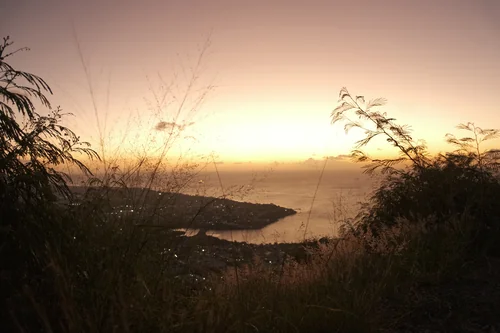
Marie Reine de la Paix is another important viewpoint and religious site in Port Louis. Located on a hillside above the city, it offers wide views over the capital, harbour and surrounding mountains.
The site is known for its open-air religious setting, steps, lawns and peaceful atmosphere above the busy city. It is one of those places where Port Louis suddenly looks calmer from a distance. Down below, traffic. Up there, breeze.
Textile Shops and Small City Businesses
Port Louis is still a practical shopping city. Beyond malls and polished commercial centres, many people come for textile shops, fabric stores, clothing, shoes, school items, household goods, small electronics and everyday shopping.
These small shops are part of the city’s real character. Narrow storefronts, stacked fabrics, signs, street vendors, quick bargaining, people moving in and out — it is not always elegant, but it is alive. For street photographers, this can be more interesting than a perfect shop window.
Modern Commercial Centres and Office Buildings
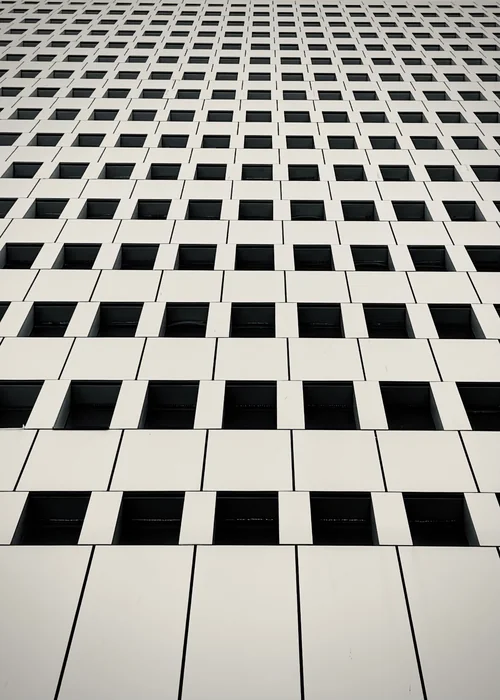
Port Louis has changed a lot with modern office towers, banks, commercial centres, government buildings and business districts. Areas around Caudan, the harbour and the city centre show a more corporate side of Mauritius.
This matters visually because Port Louis is not frozen in colonial history. It is still growing, still working, still changing. Old façades stand near glass buildings. Street food sellers operate near banks. Buses pass office workers. The contrasts are everywhere.
The City at Night
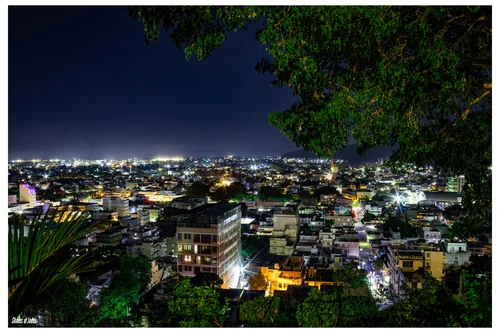
Port Louis is mostly a daytime city, but night photos of the capital can be very striking. Office lights, harbour reflections, traffic trails, Caudan lights, street lamps and views from higher points show a different Mauritius after sunset.
Night photography in Port Louis works well from viewpoints, waterfront areas and city streets where there is enough light and movement. The city becomes less noisy visually, more graphic. Lines, lights, shadows. A different mood.
Photography in Port Louis
Port Louis is excellent for urban photography because it refuses to be too tidy. That is its gift. You get people, markets, old buildings, street signs, buses, food, offices, harbour views, pigeons, umbrellas, churches, mosques, temples, shutters, stairs, textiles and sunlight bouncing between walls.
For photographers, the trick is not to only photograph the obvious. Yes, take Caudan, the market and La Citadelle. But also look at side streets, doorways, textures, shop signs, old balconies, workers on lunch break, fruit stalls, shadows under arcades and the way the mountains appear suddenly between buildings.
Visiting Tips
Port Louis is best explored on foot once you are in the centre, but the city can be hot and busy. Wear comfortable shoes, keep water with you, and avoid carrying too many valuables openly in crowded market areas.
Morning is usually better for the Central Market and street photography. Late afternoon can be nice for Caudan, harbour views and La Citadelle. If you want museums, check opening days and hours before going. And if you want to understand Port Louis properly, do not rush it. The city rewards people who look twice.
Port Louis Photos from Mauritius
Explore photos of Port Louis in Mauritius, from the Central Market, Chinatown and Caudan Waterfront to colonial buildings, museums, Parliament House, harbour views, office towers, street food and everyday scenes in the capital city.