The Night Sky in Mauritius
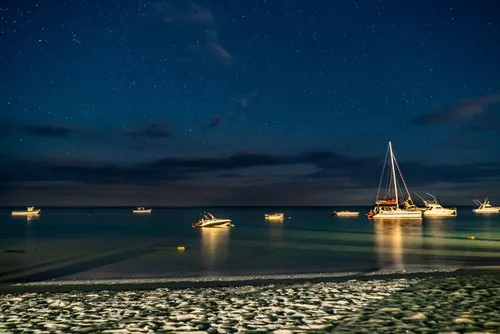
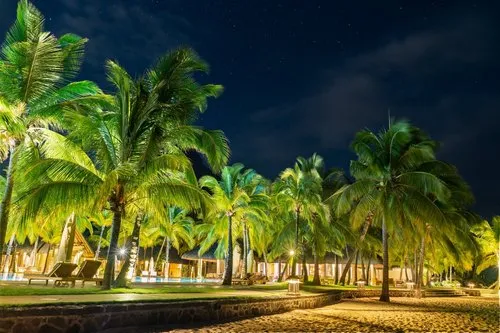
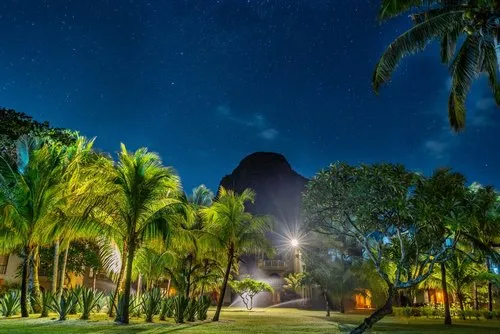
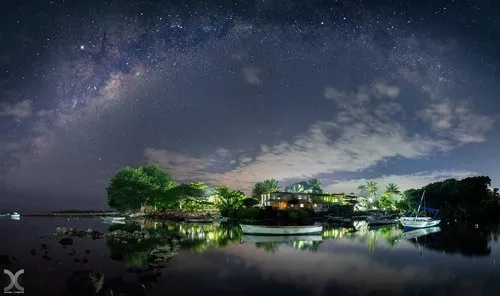
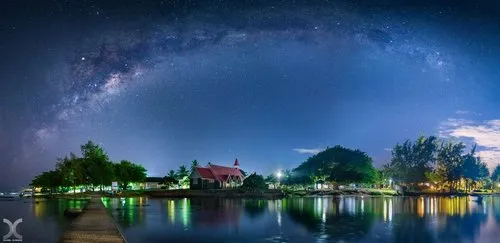
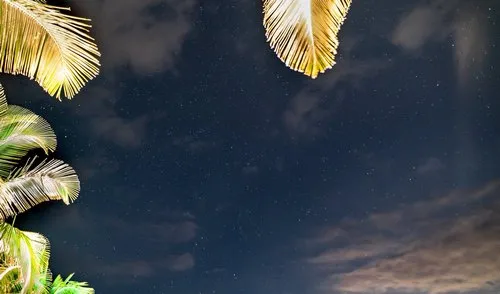
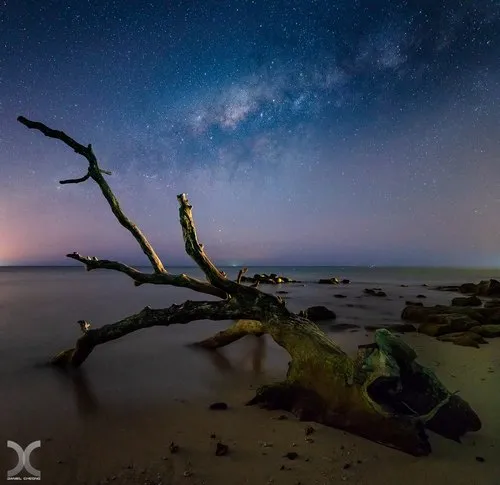
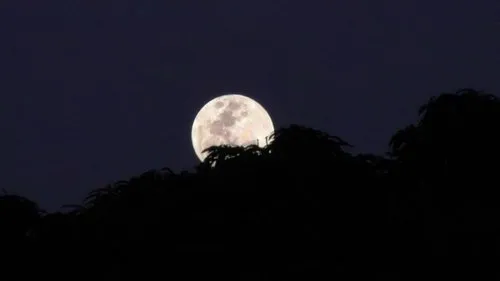
Browse night sky photos from Mauritius, including stars, Milky Way views, moonlight, coastal night scenes, mountain silhouettes, dark skies, long-exposure photography, clouds after sunset and peaceful island landscapes captured by Explora photographers.
Read more about the night sky in Mauritius
About the Night Sky in Mauritius
Mauritius is often photographed for its beaches, mountains, waterfalls, lagoons and sunsets. But what happens when the sun disappears? The island becomes quieter, the colours fade, and above the coastline, forests and mountain silhouettes, the night sky begins to reveal another side of Mauritius.
Have you ever stood near the sea at night, away from the lights of towns, and looked up long enough for your eyes to adjust? The sky can feel completely different. Stars become brighter, the Milky Way may appear as a pale band across the darkness, and familiar places such as Le Morne, La Prairie, Chamarel or the south coast take on a more mysterious atmosphere.
This page focuses on the night sky in Mauritius, including stargazing, moonlight, dark places, Milky Way photography, night landscapes and useful planning tips for photographers.
Can You See Stars in Mauritius?
Yes, stars can be seen from Mauritius, especially when the sky is clear and you are away from strong artificial lights. The difference between looking at the sky from a town and looking at it from a darker coastal or mountain area can be surprising.
In bright urban areas, only the strongest stars and planets may be visible. In darker places, the sky can reveal many more stars, faint constellations and sometimes the Milky Way, depending on the season, moon phase and weather conditions.
This is why planning matters. A beautiful night sky photo is rarely only about the camera. It is also about choosing the right place, the right time and the right sky conditions.
Can You See the Milky Way in Mauritius?
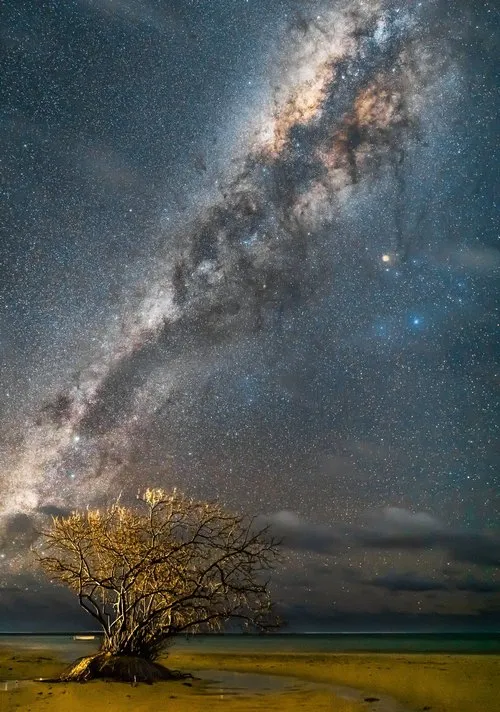
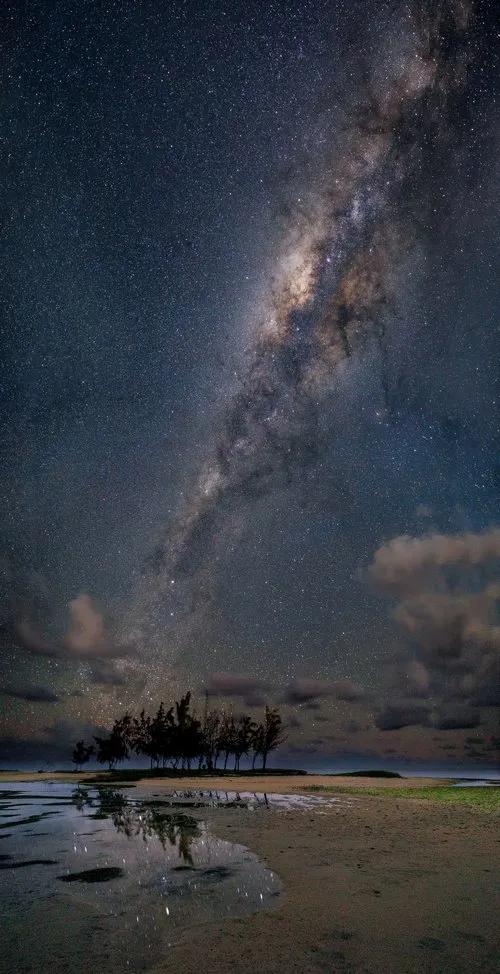
The Milky Way can be visible from Mauritius under the right conditions. It is easier to see when the moon is not too bright, the sky is clear, humidity is low and the location is away from strong light pollution.
The Milky Way is not visible in the same position or with the same intensity every night. Its visibility changes during the year, and photographers often use sky map apps to plan the best time and direction.
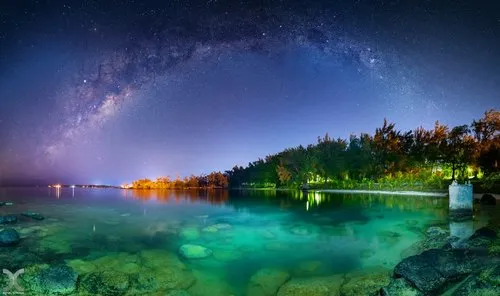
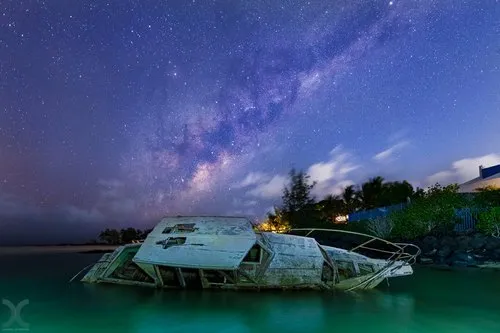
On a dark, clear night, far from street lights and coastal developments, the Milky Way can turn a simple Mauritian landscape into something much more dramatic. A mountain, beach, road or tree can become the foreground of a much larger scene.
Best Places for Stargazing in Mauritius
The best places for stargazing in Mauritius are usually open areas with less artificial light and a clear view of the horizon. Coastal areas in the south and south-west are often interesting because they offer wide views, darker surroundings and strong landscape foregrounds.
There is no single perfect place every night. Weather, clouds, wind, moonlight and nearby lights can change the experience. Still, some locations are especially attractive for night sky photography.
La Prairie
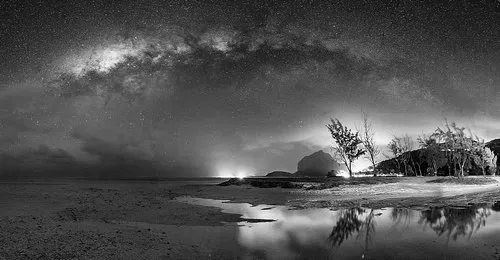
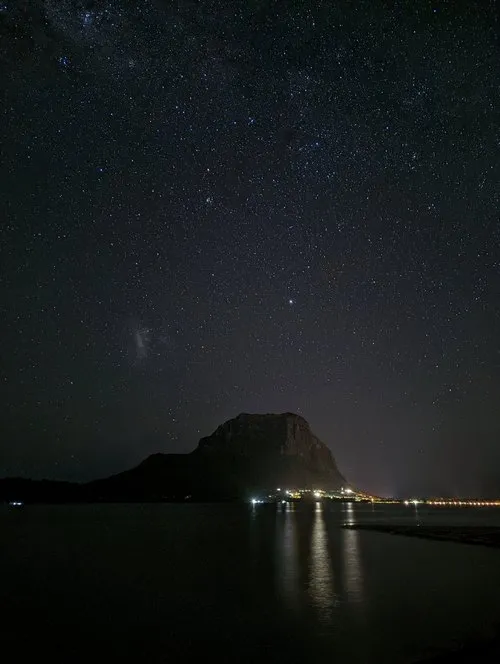
La Prairie is one of the most interesting places in Mauritius for night sky photography. The area offers an open coastal view towards Le Morne Brabant, which can create a powerful foreground for stars and Milky Way images.
With the mountain silhouette, the sea, the lagoon and a wide sky, La Prairie can feel peaceful and cinematic after dark. It is the kind of place where a simple scene can become memorable: a dark mountain, a quiet shoreline, a few clouds and thousands of stars above.
For photographers, La Prairie is especially interesting when the moon is low or absent, the sky is clear and the Milky Way is positioned above or near the landscape.
Le Morne
Le Morne is one of the most recognisable landmarks in Mauritius, and it can also be a strong subject for night photography. The shape of the mountain works well as a silhouette under the stars or beside a moonlit sky.
Night photos around Le Morne can combine landscape, history, ocean, wind, clouds and astronomy in one frame. This is why the area is attractive not only for daytime photography, but also for long-exposure work after sunset.
Chamarel and the South-West Highlands
Chamarel and the surrounding south-west region can offer a different night sky atmosphere. Instead of only using the sea as a foreground, photographers can include hills, forests, valleys, trees and darker mountain shapes.
The elevated landscape can feel more isolated and mysterious at night. Mist, moving clouds and moonlight can also add mood to long-exposure photography.
Black River Gorges Region
The Black River Gorges region is naturally connected with dark landscapes, forests and mountain views. It is one of the most important natural areas in Mauritius and can offer beautiful night scenery around its viewpoints and surrounding areas.
For safety and conservation reasons, visitors should respect access rules, avoid entering restricted areas at night and be careful around cliffs, narrow roads and forest edges.
Quiet Coastal Areas
Some quieter coastal areas in the south, west and south-east can also be interesting for stargazing and night photography. The important thing is to look for open views, fewer nearby lights, safe access and a place where you will not disturb residents, wildlife or other visitors.
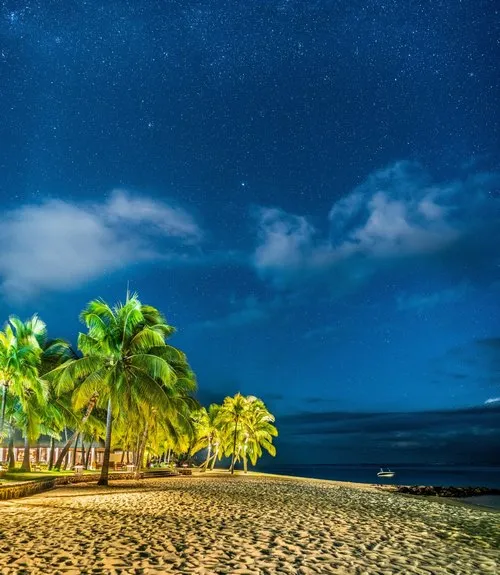
A simple beach, a fishing boat, a jetty, a filaos tree or a dark road can become a strong night photo when the sky is clear.
Best Time to Watch the Night Sky in Mauritius
The best conditions usually happen when the moon is not too bright, the sky is clear and there is little haze or cloud cover. A full moon can be beautiful for moonlit landscapes, but it makes faint stars and the Milky Way harder to see.
For darker skies, photographers often plan around the new moon period. This gives the stars more visibility and makes it easier to photograph the Milky Way.
Mauritius has different weather patterns during the year. Summer nights are warmer but can bring humidity, clouds and cyclone-season conditions. Winter nights are cooler and can sometimes offer clearer skies, although weather can still change quickly, especially near mountains and coastal areas.
Before going out, it is useful to check the moon phase, cloud cover, wind, rain forecast and a night sky app. A clear sky at sunset does not always stay clear all night, and a cloudy evening can sometimes open later. Isn’t that part of the challenge of photographing nature?
Moonlight in Mauritius
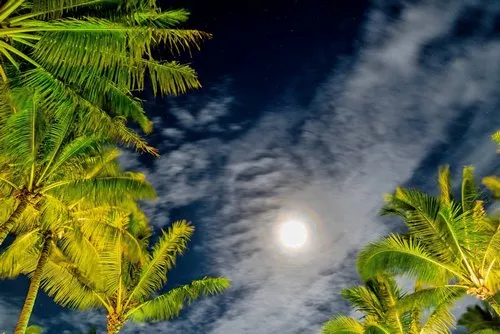
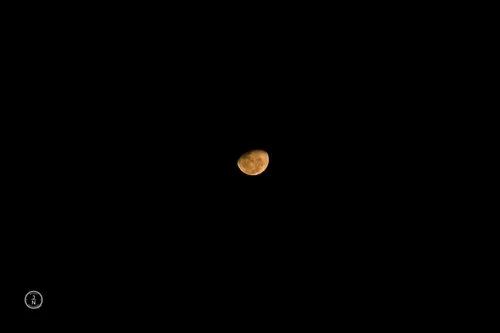
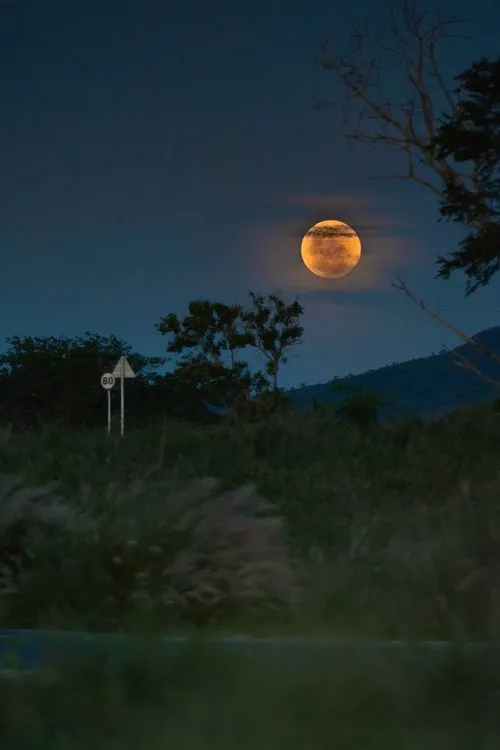
Moonlight can completely change a night landscape. While a bright moon makes stars less visible, it can also illuminate beaches, mountains, clouds and the sea in a beautiful way.
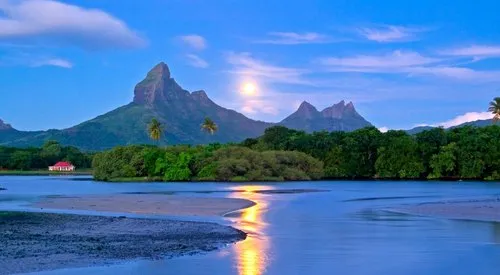
A full moon over the lagoon, moonlight on Le Morne, clouds glowing above the coast or silver reflections on the sea can create a different kind of night photography. It may not be ideal for Milky Way images, but it can be excellent for atmospheric landscapes.
So the question is not always whether the moon is good or bad. It depends on the photo you want to create.
Clouds After Sunset
Clouds are not always a problem for night photography. Thin clouds can catch moonlight, move across the stars or add drama to a long exposure. In Mauritius, clouds often form around mountains, over the sea or after humid days.
For some night photos, a completely clear sky is ideal. For others, a few clouds can make the image more emotional and more connected to the island’s tropical atmosphere.
Long-exposure photography can show cloud movement in a way that the eye does not see directly. This can make a night scene feel soft, mysterious or almost dreamlike.
Night Sky Photography in Mauritius
Night sky photography is not only about pointing the camera upwards. The foreground matters too. In Mauritius, this is where the island becomes special. You can combine stars with mountains, sugarcane fields, beaches, lagoons, trees, cliffs, jetties, boats or old coastal roads.
A strong night photo often includes something recognisable from Mauritius. Le Morne under the stars, La Prairie at night, a quiet beach with the Milky Way above it, or a forest road under a clear sky can tell a stronger story than a photo of stars alone.
Basic Camera Equipment
For beginners, a tripod is essential. A wide-angle lens helps capture more of the sky, and a camera that allows manual settings gives more control over exposure.
Many photographers start with a wide aperture, a high ISO and an exposure long enough to collect light without making the stars trail too much. The exact settings depend on the lens, camera, sky brightness and creative goal.
Foreground Ideas
Good foregrounds for night sky photos in Mauritius include Le Morne, La Prairie, beaches, coastal rocks, filaos trees, coconut palms, mountain silhouettes, jetties, boats, sugarcane fields, forest edges and quiet roads.
The foreground gives the photo a sense of place. Without it, a night sky photo could have been taken almost anywhere. With it, the image becomes clearly connected to Mauritius.
Long Exposure and Star Trails
Long-exposure photography can be used to capture more light from the stars. With longer sequences, photographers can also create star trail images, where the movement of the Earth makes stars appear as curved lines in the sky.
Star trails can work well with fixed foregrounds such as mountains, trees, old buildings or coastal landscapes. They are less about a single moment and more about showing time passing above the island.
Light Pollution in Mauritius
Light pollution affects how much of the night sky we can see. Strong artificial lighting from streets, buildings, resorts, vehicles and towns makes faint stars harder to observe.
This is why darker areas away from towns and bright coastal developments are better for stargazing and astrophotography. Even a small amount of nearby light can reduce the visibility of faint stars.
Protecting darker skies is also part of protecting the natural atmosphere of the island. Softer, better-directed outdoor lighting can help people enjoy the night while reducing glare and unnecessary sky glow.
A darker sky is not only useful for photographers. It is also part of the quiet beauty of Mauritius after sunset.
Night Sky, Nature and Silence
Not every night sky experience has to be photographed. Sometimes the best thing to do is simply stand still, let your eyes adjust and listen to the silence.
At night, Mauritius can feel different. The beaches are quieter, the mountains become dark shapes, the sea becomes sound more than colour, and the sky becomes part of the landscape.
How often do we visit a beautiful place in Mauritius and forget to look above it?
Safety Tips for Night Sky Photography
Night photography requires more preparation than daytime photography. Places that are easy to visit during the day can become difficult or risky at night.
- Visit the location during the day before going there at night.
- Do not go alone if the area is isolated.
- Carry a torch or headlamp, but avoid shining it directly at other photographers.
- Check the tide if you are photographing near the sea.
- Be careful around cliffs, rocks, waves, rivers and narrow roads.
- Respect private land, protected areas and local residents.
- Check the weather before leaving home.
Responsible Night Photography
Responsible night photography means respecting people, places and nature. Avoid entering private property, disturbing wildlife, making too much noise, leaving rubbish or using bright lights carelessly.
In natural areas, stay on paths where possible and avoid damaging plants or fragile ground just to get a better angle. A good photo should not harm the place that made it possible.
In coastal villages or near homes, remember that people may be sleeping nearby. A peaceful night scene should remain peaceful for everyone.
Useful Online References
Useful sources for planning night sky viewing and photography in Mauritius include the Light Pollution Map, Astro Mauritius, the Timeanddate Night Sky Map for Mauritius, NASA guidance on finding good places to stargaze, DarkSky International information about light pollution and the official Black River Gorges National Park page.
Visiting Tips
If you want to enjoy the night sky in Mauritius, choose a safe place with open views and less artificial light. La Prairie, Le Morne, Chamarel, the south-west coast and quiet coastal areas can all be interesting depending on the weather and moon phase.
For Milky Way photography, plan around the new moon and check the direction of the Milky Way before leaving home. For moonlit landscapes, a bright moon can actually help illuminate the foreground.
And if you are unsure whether the night sky is worth photographing, ask one simple question: does the place still feel beautiful after sunset? If the answer is yes, then it probably belongs in the night story of Mauritius.
Night Sky Photos from Mauritius
Explore night sky photos from Mauritius, from stars, Milky Way views and moonlit beaches to mountain silhouettes, coastal night scenes, clouds after sunset, long-exposure landscapes and peaceful dark-sky moments across the island.