About Villages and Towns of Mauritius
Mauritius is often introduced through beaches, lagoons and hotels. Fair enough. But the island makes much more sense when you also look at its villages and towns. That is where you see the daily rhythm: school traffic, bakeries, market noise, roadside snacks, temples, churches, mosques, small football grounds, old stone walls, coastal roads and people going about their day.
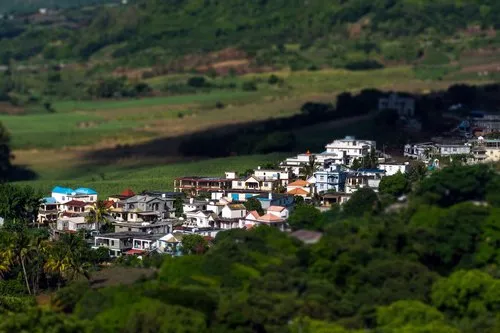
The villages and towns of Mauritius are not all the same. Some sit beside calm lagoons. Some are wrapped in sugarcane fields. Some are busy urban centres. Others feel like quiet places you only pass through, until you stop and realise there is a story there too.
Main Cities and Towns of Mauritius
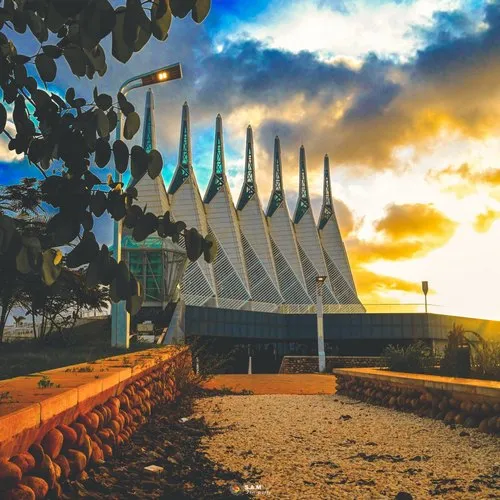
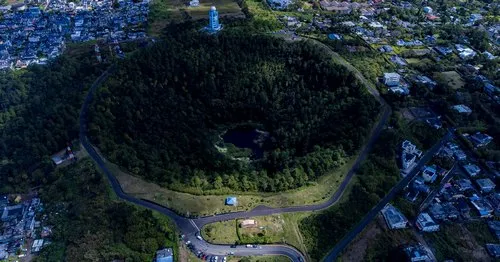
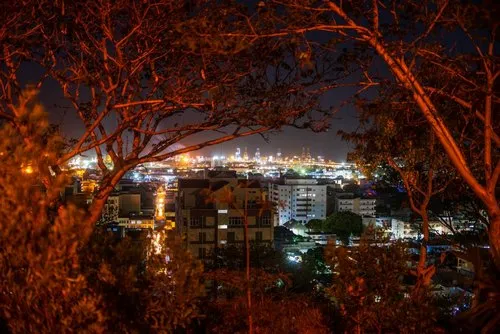
The main urban areas of Mauritius include Port Louis, Beau Bassin-Rose Hill, Curepipe, Quatre Bornes and Vacoas-Phoenix. These are important centres for work, shopping, schools, transport, markets and everyday city life. Port Louis is the capital city and the main business centre, while the towns of the central plateau have a cooler climate, busier residential areas and a more urban rhythm than the coastal villages.
Alphabetical List of Villages and Towns in Mauritius
Here is a practical alphabetical list of many towns, villages and well-known localities in Mauritius: Albion, Arsenal, Baie du Cap, Baie du Tombeau, Bambous, Bambous Virieux, Bananes, Beau Bassin, Beau Vallon, Beau-Bassin Rose-Hill, Bel Air Rivière Sèche, Bel Ombre, Belle Rose, Belle Mare, Bois Cheri, Bois des Amourettes, Bon Accueil, Bramsthan, Britannia, Calebasses, Camp Carol, Camp de Masque, Camp de Masque Pavé, Camp Diable, Camp Ithier, Camp Thorel, Cap Malheureux, Case Noyale, Cascavelle, Centre de Flacq, Chamouny, Chamarel, Chemin Grenier, Clémencia, Cluny, Congomah, Crève Coeur, Curepipe, Dagotière, D’Epinay, Dubreuil, Ecroignard, Espérance, Flic en Flac, Fond du Sac, Goodlands, Grand Bay, Grand Bel Air, Grand Bois, Grand Gaube, Grand River South East, Grand Sable, Grande Retraite, Gros Cailloux, La Flora, La Gaulette, La Laura-Malenga, Lalmatie, L’Avenir, Laventure, Le Hochet, Le Morne, L’Escalier, Long Mountain, Mahebourg, Mapou, Mare d’Albert, Mare La Chaux, Mare Tabac, Medine Camp de Masque, Melrose, Midlands, Moka, Montagne Blanche, Mont Choisy, New Grove, Notre Dame, Nouvelle Découverte, Nouvelle France, Old Grand Port, Olivia, Pereybere, Petit Bel Air, Petit Raffray, Petite Rivière, Piton, Plaine des Papayes, Plaine Magnien, Pointe aux Piments, Poudre d’Or, Providence, Quatre Bornes, Quatre Cocos, Quatre Soeurs, Quartier Militaire, Queen Victoria, Richelieu, Ripailles, Rivière des Anguilles, Rivière des Créoles, Rivière du Poste, Roche Terre, Rose Belle, Rose Hill, Saint Hubert, Saint Julien, Saint Julien d’Hotman, Saint Pierre, Sebastopol, Seizième Mille, Souillac, St Aubin, Surinam, Tamarin, Terre Rouge, The Vale, Triolet, Trois Boutiques, Trou aux Biches, Trou d’Eau Douce, Tyack, Union Park, Vacoas-Phoenix, Verdun and Ville Bague.
Coastal Villages
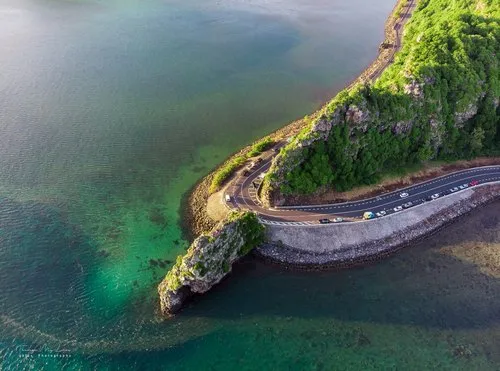
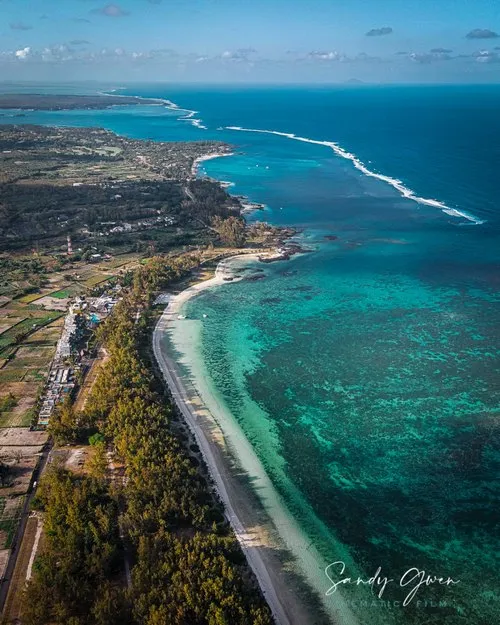
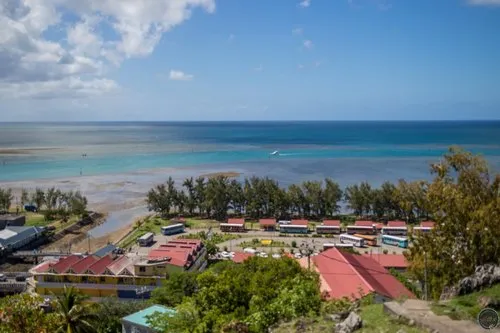
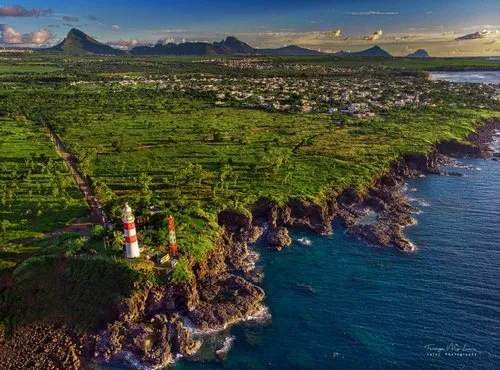
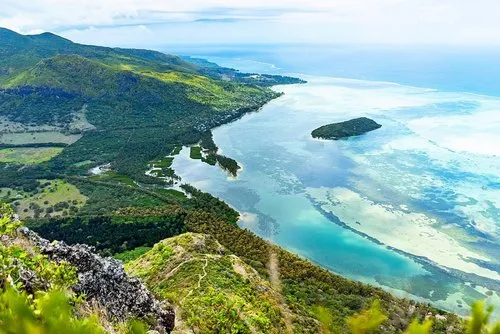
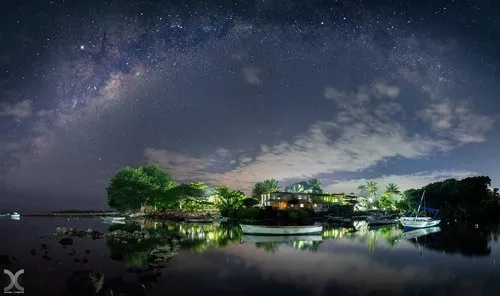
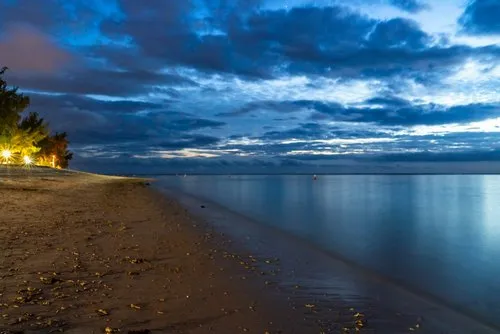
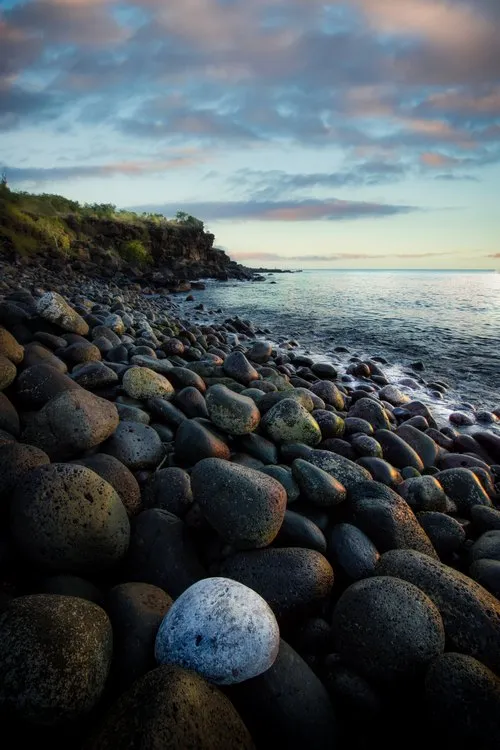
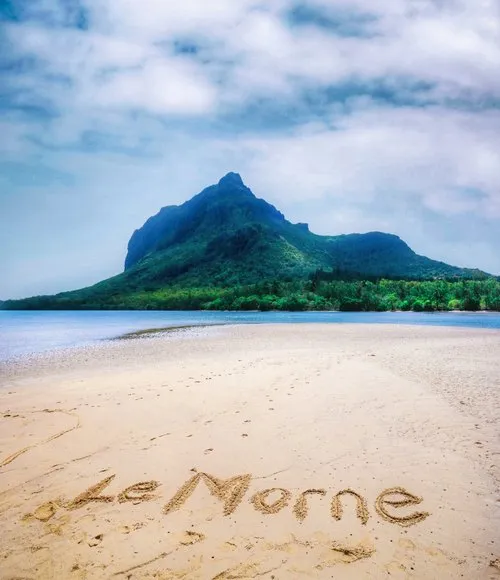
Some of the most photographed villages in Mauritius are found along the coast. Places like Grand Bay, Pereybere, Trou aux Biches, Mont Choisy, Belle Mare, Flic en Flac, Tamarin, Le Morne, Bel Ombre, Mahebourg, Souillac and Grand Gaube all have their own atmosphere. Some are lively and touristic. Some are quiet and local. Some are known for fishing, others for beaches, sunsets, hotels, boat trips or weekend picnics.
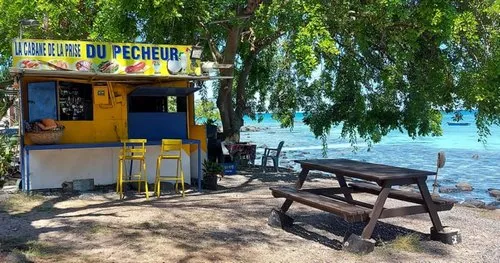
These coastal villages are often where visitors first feel the island properly. Not only through the beach itself, but through small restaurants, fishermen, boats, beach roads, local families, public beach life and that familiar mix of sea air and everyday Mauritius.
Inland Villages and the Central Plateau
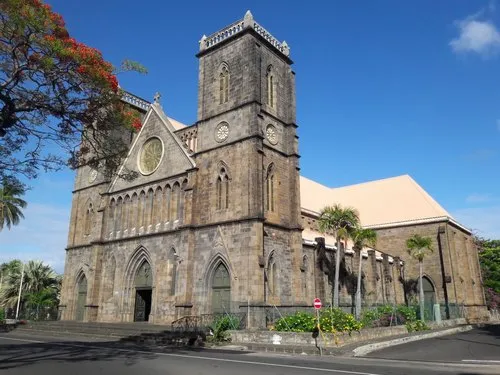
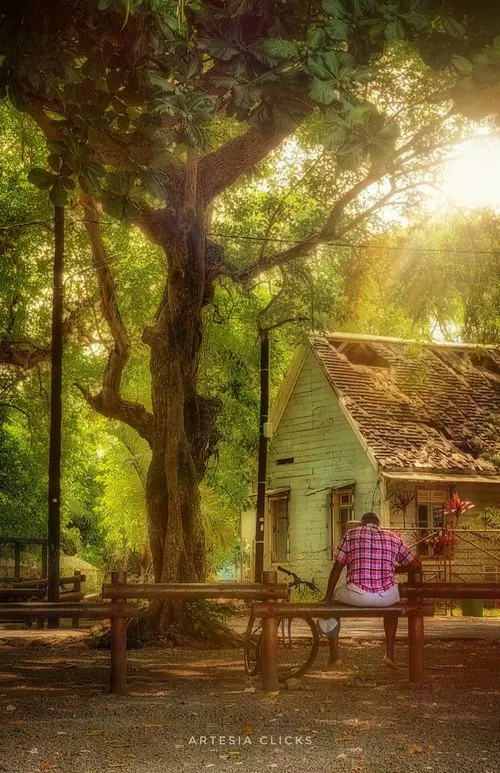
Inland Mauritius has a different mood. Places around Moka, Saint Pierre, Quartier Militaire, Verdun, Curepipe, Vacoas-Phoenix and the central plateau are cooler, greener and more residential. You see more mountain roads, gardens, old houses, schools, churches, temples, markets and everyday life without the beach filter.
These places may not always look spectacular at first glance. But they are important. They show the Mauritius people live in, not only the Mauritius visitors come to photograph during sunset.
Villages Linked to Sugarcane and Old Estates
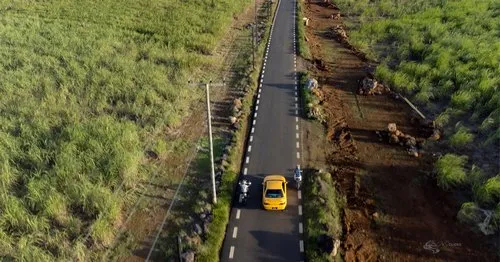
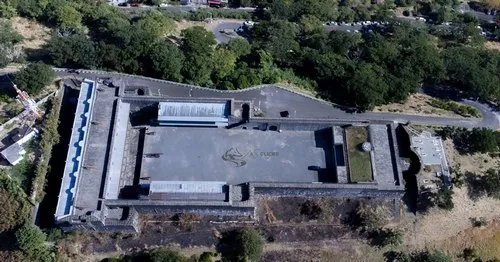
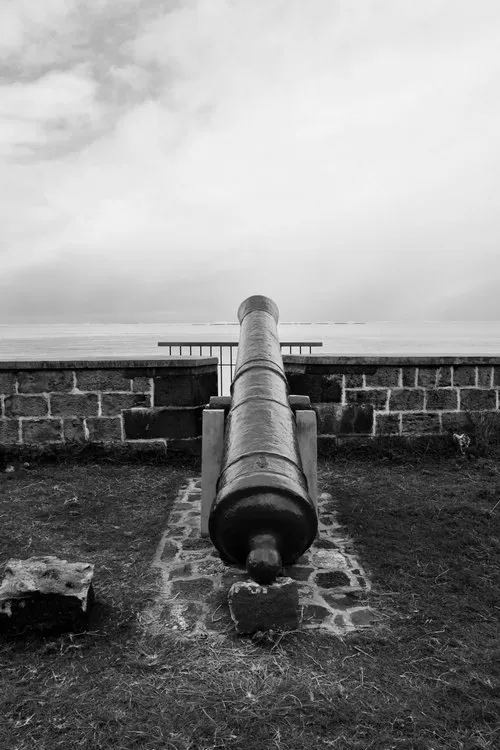
Many villages in Mauritius are closely linked to sugarcane and old estate life. Bel Ombre, Chamarel, Britannia, St Aubin, Rivière du Poste, Médine Camp de Masque, Belle Mare and several inland villages still carry traces of that agricultural past. You may see cane fields, old chimneys, estate roads, stone walls, factory remains or landscapes shaped by plantation history.
This is part of the island’s identity. Sugar did not only shape the economy. It shaped roads, villages, families, work, migration, land use and even the way many places still feel today.
Fishing Villages and Local Coastal Life
Fishing villages give Mauritius another kind of visual story. In places such as Mahebourg, Le Morne, Grand Gaube, Souillac, Baie du Cap and parts of the south-east coast, the sea is not only scenery. It is work, food, memory, routine and family life.
Fishing boats, nets, pirogues, small harbours, morning light and people preparing for the sea can make powerful photos. Not always flashy. Often better than flashy.
Why Village and Town Photos Matter
Photos of villages and towns are important because they show Mauritius beyond the usual postcard version. Beaches are beautiful, of course, but a country is also made of roads, markets, walls, houses, people, places of worship, old shops, public squares, fields and quiet corners where ordinary life happens.
A simple photo of a village road can sometimes explain more about Mauritius than a perfect lagoon photo. Different story. Same island.
Photography in Villages and Towns
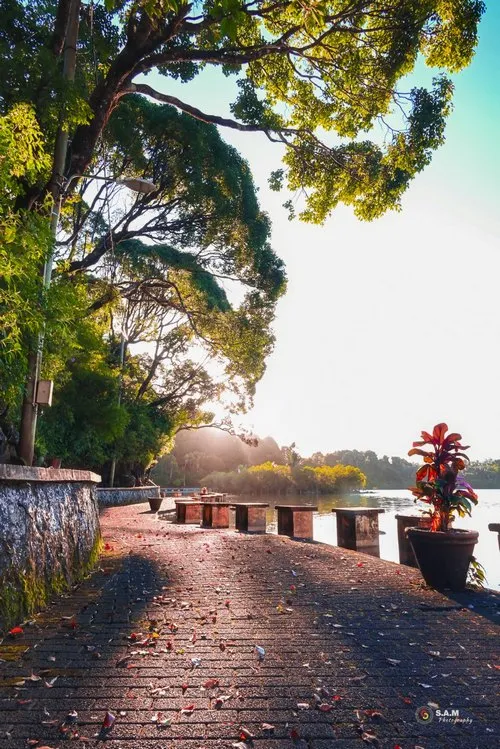
Photographing villages and towns in Mauritius requires a different eye from beach photography. The beauty is not always obvious. Sometimes it is a painted wall, an old bicycle, a bus stop, a Sunday market, a temple flag moving in the wind, a fisherman repairing a net, or a quiet road leading toward the mountains.
Photographers should be respectful when people appear in the scene. Wide street views, architecture, markets, roads and village atmospheres are usually better than intrusive close-ups. The goal is to show the place, the mood and the story — not to make people feel watched.
Visiting Tips
If you want to discover the villages and towns of Mauritius, do not only follow the beach map. Drive inland, stop in small places, visit markets, try local food, walk a little, and pay attention to the details. Mauritius is small, but the feeling changes quickly from one village to another.
And yes, sometimes the best photo comes from a place you did not plan to stop at. That happens often here.