About Sugarcane Fields in Mauritius
Sugarcane fields are part of the classic landscape of Mauritius. Drive across the island and you will see them almost everywhere: long green rows beside village roads, cane leaves moving in the wind, tractors during harvest season, old chimneys in the distance, and mountains rising behind the fields. It is not the postcard beach version of Mauritius, but it is just as important.
For generations, sugarcane shaped the island’s economy, villages, roads, estates and rural scenery. Even today, cane fields still give many parts of Mauritius their open, agricultural character. Without them, the island would look very different. Less green in places. Less textured too.
Sugarcane and the History of Mauritius
Sugarcane is closely linked to the history of Mauritius. During the colonial period, sugar estates became one of the main drivers of the island’s economy. Large areas of land were planted with cane, and villages, roads, factories and estate houses grew around that activity.
This history is not only agricultural. It is also connected with slavery, indentured labour, land ownership, migration and the development of many villages and towns in Mauritius. Sugarcane helped build wealth, yes, but it also carries difficult human stories. The fields may look peaceful today, but they belong to a much deeper past.
The Sugarcane Landscape
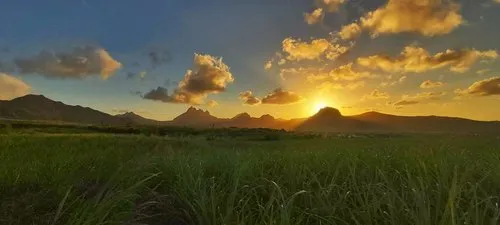
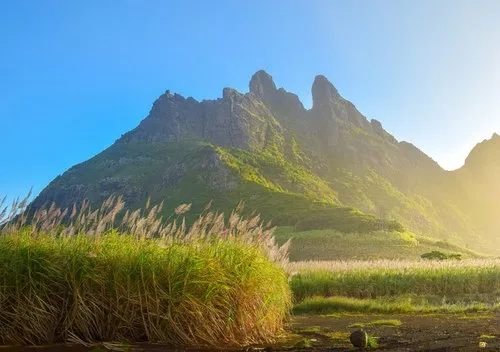
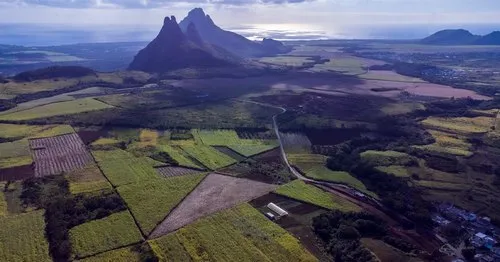
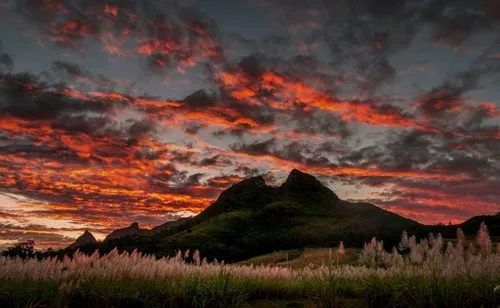
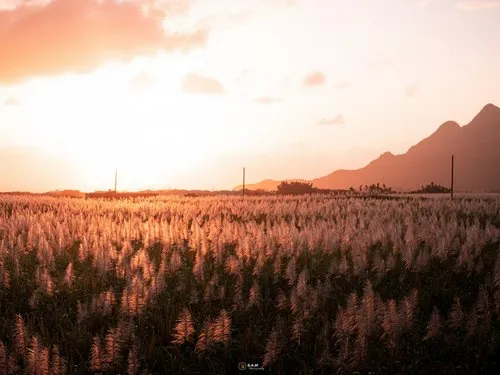
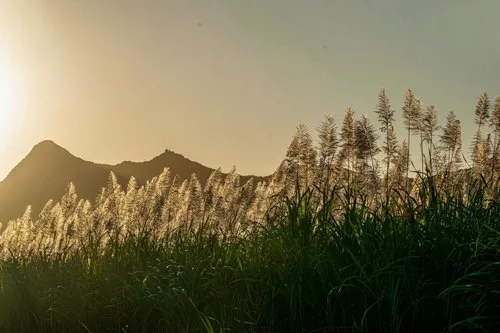
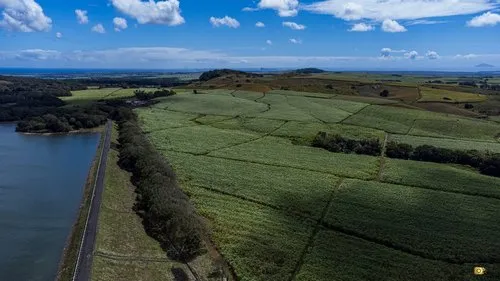
Sugarcane fields give Mauritius a very recognisable inland scenery. In some areas, the fields stretch towards the mountains. In others, they run beside coastal roads or surround small villages. The rows of cane can look almost geometric, especially from a higher viewpoint or in drone and aerial photography.
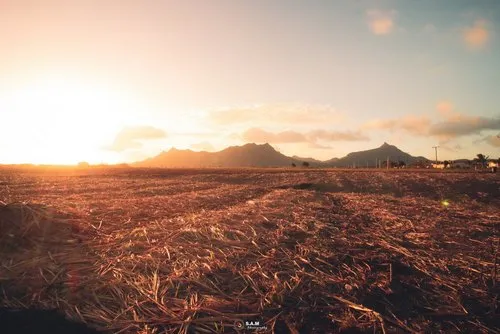
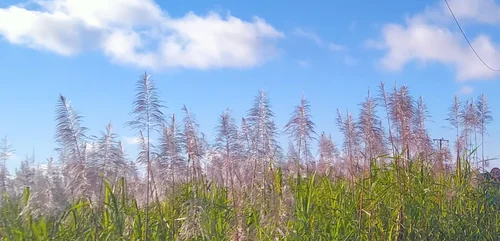
The colour changes with the season. Young cane can be bright green. Older cane becomes taller, denser and sometimes slightly golden before harvest. After cutting, the land opens up suddenly, revealing soil, tracks, stones and views that were hidden for months. Same place, different mood.
Where to See Sugarcane Fields in Mauritius
Sugarcane fields can be seen in many parts of Mauritius, especially in rural and semi-rural areas. The north, east, centre, south and west all have cane landscapes, although development has reduced or changed some areas over time.
Places such as Bel Ombre, Chamarel, Médine, Flacq, Pamplemousses, Rivière du Rempart, Savanne, Grand Port and parts of the central plateau still show strong links with cane fields and old estate scenery. Some of the most beautiful views happen where sugarcane meets mountains, forest edges or coastal roads.
Sugarcane Fields and Village Life
In many parts of Mauritius, sugarcane fields sit directly beside everyday life. A village road, a school, a temple, a football ground, a small shop, then suddenly cane fields. No big separation. That is part of the island’s character.
For photographers, these scenes can be very interesting. A road cutting through cane, a cyclist passing in the morning, a bus stop near the fields, workers during harvest, or a small house surrounded by cane can say a lot about rural Mauritius without needing anything dramatic.
Harvest Season
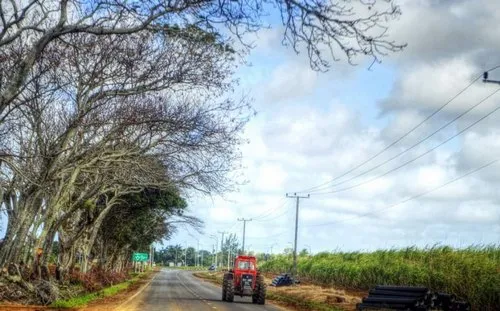
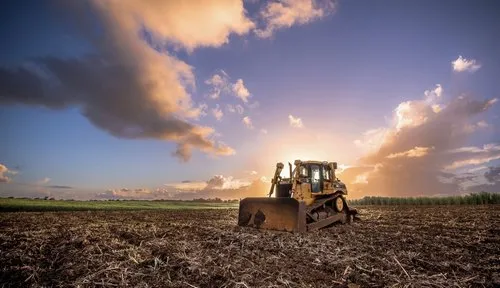
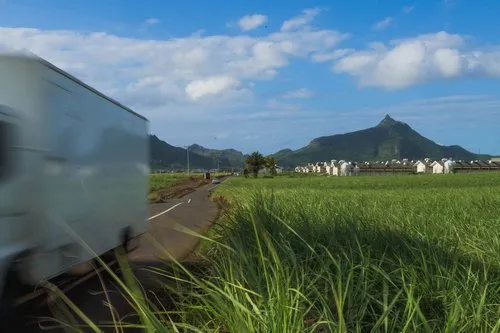
Sugarcane harvest season changes the look and rhythm of the countryside. Fields are cut, trucks carry cane, tractors move along rural roads, and some areas suddenly feel busier than usual. You may see cut cane stacked in bundles, dry leaves on the ground, or machinery working in the fields.
For photography, harvest time can be especially good. The landscape has more movement, more texture, more human activity. Dust, light, cane trucks, workers, old roads — not always neat, but very real.
Old Sugar Estates and Chimneys
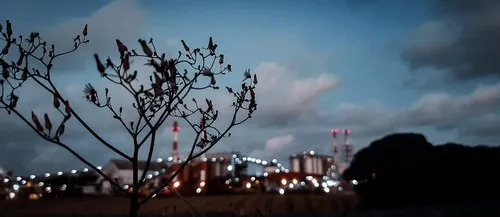
Old sugar estates are still visible in many parts of Mauritius through chimneys, stone walls, estate houses, factory remains and old roads. Some have been restored or transformed, while others stand quietly in the landscape, half-forgotten but still full of character.
These remains are important because they connect today’s rural scenery with the island’s sugar history. A chimney beside a cane field is not just a nice photo subject. It is a reminder of the industry that shaped much of Mauritius for centuries.
Sugarcane and Rum
Sugarcane is also connected to rum production in Mauritius. Distilleries and estates use cane or molasses to produce different types of rum, and some places have become visitor attractions where people can learn about cane cultivation, distillation and local production.
In areas such as Chamarel and the south, sugarcane, rum, estate history and tourism often meet. It is a softer modern version of a much older agricultural story, but the cane field remains at the centre of it.
Sugarcane, Roads and Scenic Drives
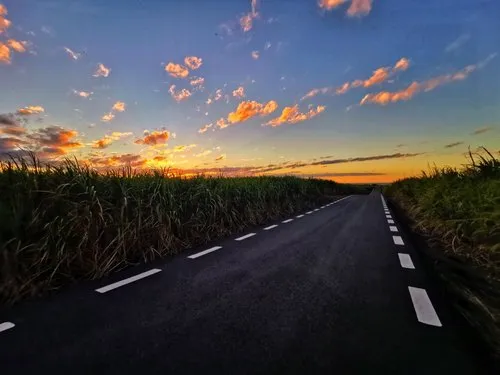
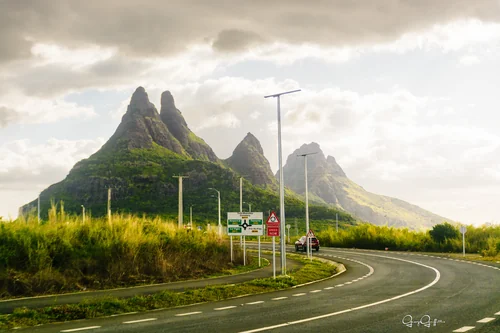
Some of the most beautiful roads in Mauritius pass through or beside sugarcane fields. A straight road through cane, a mountain road above the fields, or a coastal drive with cane on one side and sea on the other can make a strong photo.
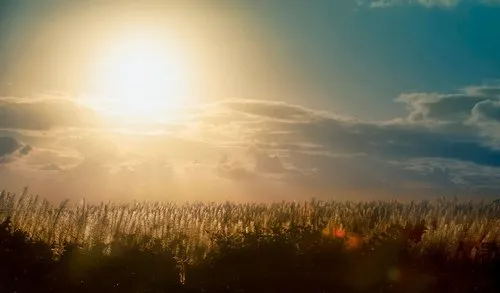
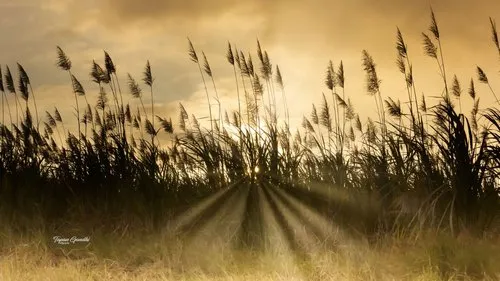
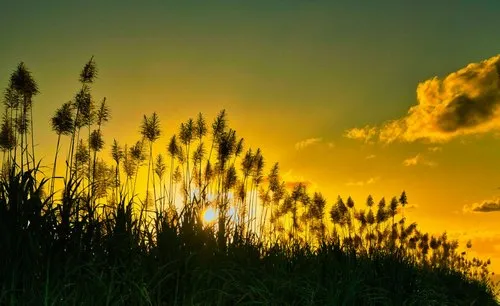
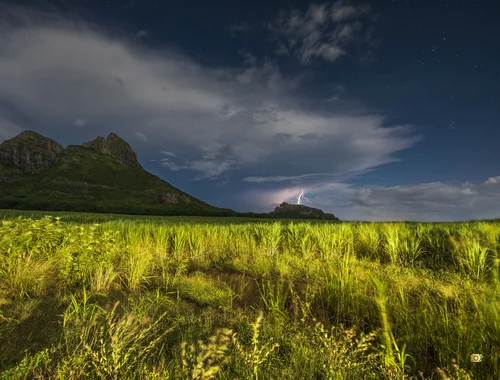
The scenery can feel simple at first. But wait for the right light and it changes quickly. Morning mist, late afternoon shadows, dark clouds before rain, or golden light over tall cane can make even an ordinary rural road look special.
Sugarcane and Nature
Sugarcane fields are cultivated landscapes, not wild forest, but they often sit beside forest and nature areas, rivers, mountains and coastal ecosystems. This creates interesting contrasts: straight cane rows against irregular mountain shapes, green fields below dark forest, or cultivated land beside wild ravines.
These contrasts are useful for photography because they show how Mauritius is layered. The island is not only natural scenery or human-made land. It is usually both at once.
Photography of Sugarcane Fields
Sugarcane fields are excellent for landscape, rural and aerial photography. They provide lines, patterns, texture and colour. From the ground, you can use rows of cane, roads, mountains, clouds and village details. From above, the fields become almost abstract, with tracks, curves and patches of different green.
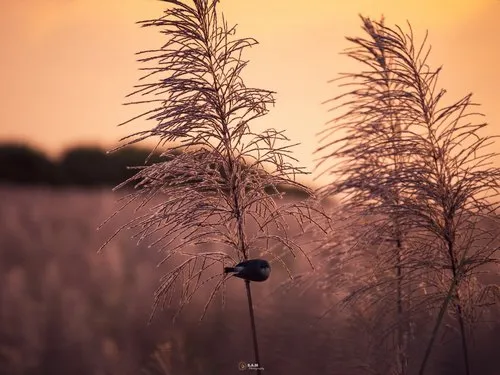
Good sugarcane photos often depend on light. Midday can be harsh, but early morning and late afternoon bring shadows, depth and warmth. Wind can also help, especially when the cane leaves move and catch the light. A field that looked flat five minutes ago can suddenly come alive.
Respecting Private Land
Many sugarcane fields are private agricultural land. Visitors and photographers should avoid walking into fields without permission, damaging crops, blocking estate roads or standing in unsafe places for photos.
It is usually possible to photograph sugarcane from public roads, viewpoints and safe stopping areas. That is enough in most cases. A respectful photo is always better than one taken by trampling someone’s crop.
Visiting Tips
If you want to photograph sugarcane fields in Mauritius, explore rural roads in the morning or late afternoon. Look for areas where cane fields meet mountains, old chimneys, villages, rivers or coastal views. Those combinations give the images more story.
Also, do not dismiss cloudy weather. Dark clouds over green cane fields can look beautiful, especially before rain. Mauritius does that often: gives you weather you did not ask for, then somehow makes it photogenic.