Fishing in Mauritius
Browse fishing photos from Mauritius, including local fishermen, wooden pirogues, lagoon fishing, hand lines, nets, fish markets, coastal villages, open-sea fishing, boats and everyday island life captured by Explora photographers.
Read more about fishing in Mauritius
About Fishing in Mauritius
Fishing in Mauritius is more than a seaside activity. It is part of the island’s daily life, coastal culture, food supply and village identity. Around the coast, fishermen still leave early in the morning in small pirogues, prepare lines near the beach, clean nets beside the road, sell fresh fish at landing stations, or return quietly to shore after a long day at sea.
For visitors, fishing scenes are among the most authentic images of Mauritius. A fisherman pulling a boat on the sand, a pirogue floating in a turquoise lagoon, fish being sold near the coast, or a group of men repairing nets under a tree can say as much about the island as a luxury hotel or a perfect beach.
Fishing also has a fragile side. It supports families and local food habits, but it depends on healthy lagoons, reefs, fish stocks and safe sea conditions. The story of fishing in Mauritius is therefore a story of work, tradition, courage, pressure on marine resources and the need to protect the ocean.
Fishing and Coastal Life in Mauritius
Many coastal communities in Mauritius have long depended on fishing. In villages such as Grand Gaube, Mahebourg, Tamarin, Black River, Souillac, Trou d’Eau Douce, Grand River South East, Cap Malheureux and other coastal areas, fishing is part of the rhythm of life.
Some fishermen fish for their own household. Others sell their catch directly to neighbours, fishmongers, restaurants or at fish landing stations. For many families, fishing is not a hobby. It is work, income, food and identity.
The work can look peaceful from the shore, but it is not easy. Fishermen wake early, read the weather, prepare bait, repair equipment, launch boats, cross reef passes, spend hours under sun and wind, then return with no guarantee of a good catch. The sea does not pay a fixed salary.
Traditional Pirogues and Small Fishing Boats
The small pirogue is one of the most recognisable fishing symbols in Mauritius. Traditionally made of wood, and now also seen in fibreglass or mixed materials, these small boats are used by artisanal fishermen around the lagoon and near the reef.
A pirogue may look simple from the beach, but for many fishermen it is their workplace. It carries lines, nets, baskets, bait, fuel, water, sometimes ice, and often years of experience. The boat may be small, but the knowledge required to use it safely is not small at all.
For photography, small fishing boats in Mauritius are beautiful subjects. A wooden pirogue on the sand, a boat tied near mangroves, fishermen pushing into the lagoon, or a pirogue returning under sunset light can create very strong island images.
Main Ways of Fishing in Mauritius
Fishing in Mauritius takes several forms, from traditional lagoon fishing to off-lagoon fishing, shore fishing, net fishing, basket traps, handline fishing, octopus fishing, FAD fishing, recreational fishing and deep-sea sport fishing.
Each method has its own rhythm, equipment, risks and environmental impact. Some are part of long-standing local traditions. Others have developed because lagoon fish stocks are under pressure and fishermen need to reach new fishing grounds.
Lagoon Fishing
Lagoon fishing is one of the most traditional forms of fishing in Mauritius. Fishermen work inside the reef, often using small pirogues, hand lines, nets, basket traps or other artisanal methods depending on local rules and the area.
The lagoon is important because it is close to shore and easier to access than the open sea. It is also where many families, small fishers and coastal communities have historically depended on daily catches.
However, the lagoon is also fragile. Coral reefs, seagrass, mangroves, juvenile fish habitats and reef fish populations can all be affected by overfishing, pollution, coastal development and climate stress.
Handline Fishing
Handline fishing is one of the simplest and most common fishing methods. It can be done from a pirogue, from rocks, from the beach or from a jetty, depending on the location and target species.
The method requires patience and experience. A good fisherman knows the bait, the tide, the current, the depth, the time of day and the behaviour of the fish. From the outside, it may look like waiting. In reality, it is observation.
Net Fishing
Net fishing is used in some areas, but it is also controlled because nets can put pressure on fish stocks if badly used. Nets may catch many fish at once, including small or juvenile fish that should ideally remain in the ecosystem.
This is why fishing rules, reserves and gear restrictions matter. Sustainable fishing is not only about how much fish is caught today. It is about whether there will still be fish tomorrow.
Basket Traps
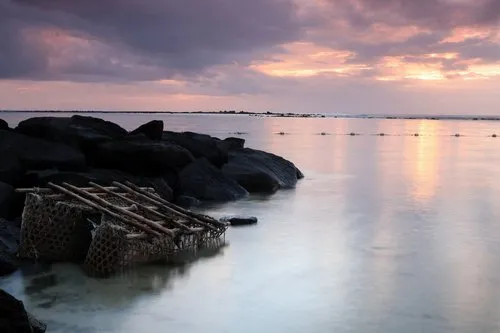
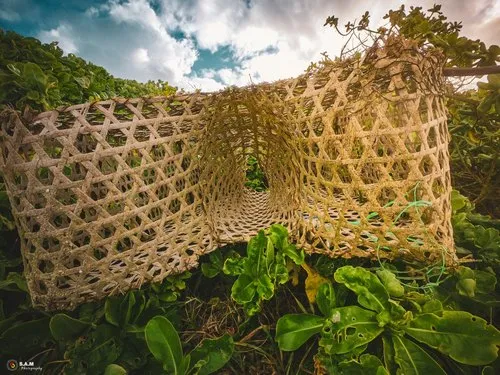
Basket traps are part of traditional lagoon fishing in Mauritius. They are used to catch reef and lagoon fish, often by placing bait inside and leaving the trap in suitable areas.
Like other fishing methods, basket traps need regulation and responsible use. Poorly managed traps can affect reef fish populations, especially if too many are used or if they are placed in sensitive habitats.
Shore Fishing
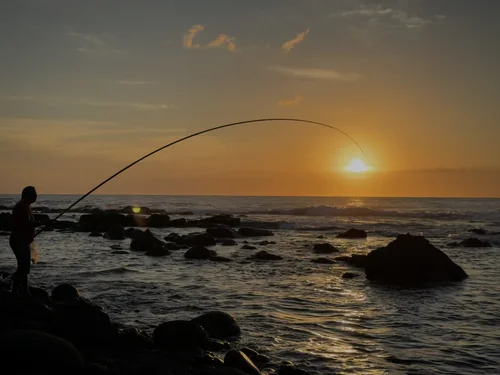
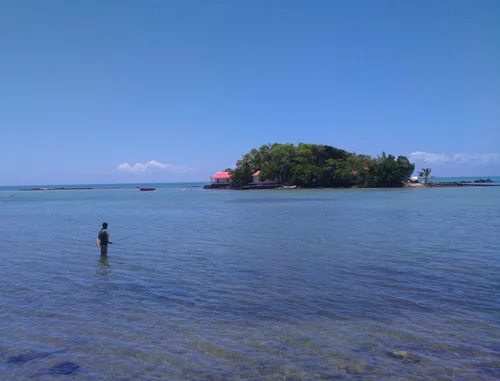
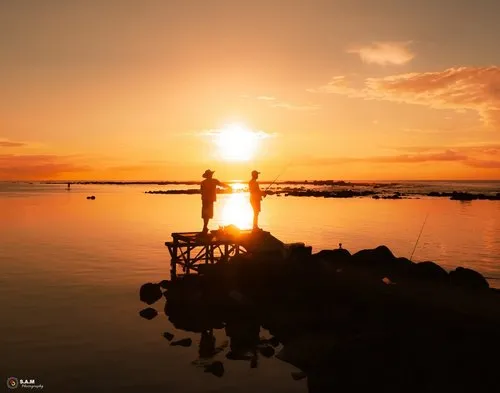
Shore fishing is common around beaches, rocks, jetties and coastal roads. Some people fish with rods, others with simple lines. It can be for food, relaxation or small-scale local sale.
Shore fishing is visible in many places around Mauritius, especially early morning or late afternoon. A person standing on rocks with a fishing rod, a line cast from a jetty, or a fisherman waiting quietly near the sea can make a peaceful photo subject.
Octopus Fishing
Octopus fishing is important in parts of the Republic of Mauritius, especially in Rodrigues, where octopus has been a major artisanal fishery. In Mauritius island, octopus may also be collected or fished in suitable coastal areas, subject to local rules and seasons.
Octopus fishing is a good example of why closures and conservation periods can matter. If fishing pressure becomes too high, populations can decline, affecting both the ecosystem and the people who depend on the catch.
Off-Lagoon Fishing
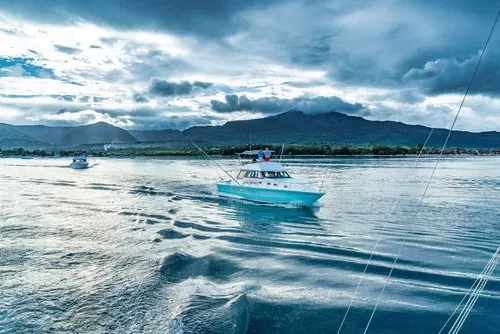
Off-lagoon fishing takes fishermen beyond the reef into deeper and more exposed waters. This can provide access to larger pelagic fish and reduce pressure on lagoon resources, but it also increases the risks for small boats.
Going outside the lagoon is not a small decision for artisanal fishermen using pirogues or small boats. The sea is deeper, waves are stronger, weather changes matter more, and the distance from shore makes everything more serious.
Fishing Around Fish Aggregating Devices
Fish Aggregating Devices, often called FADs, are used offshore to attract pelagic fish such as tuna, dorado and other open-water species. In Mauritius, FAD fishing has been encouraged partly to help shift fishing pressure away from overexploited lagoon resources.
FAD fishing can improve catches and income for trained fishermen, but it also requires better boats, safety preparation, navigation skills and respect for regulations. It is a bridge between traditional artisanal fishing and more open-sea fishing.
Recreational Fishing
Recreational fishing also exists in Mauritius. Some people fish from beaches, rocks, jetties or small boats for pleasure, relaxation or food.
Visitors should always check local rules before fishing, especially in marine parks, fishing reserves, protected areas or private zones. Not every beautiful coastal spot is open for fishing.
Fish Commonly Caught in Mauritius
Fish caught in Mauritius depend on the area, method and season. Lagoon and reef fishing may include various reef fish, rabbitfish, surgeonfish, goatfish, emperors, snappers, groupers, parrotfish, mullets and other coastal species.
Off-lagoon and pelagic fishing may bring tuna, dorado, wahoo, bonito, barracuda, trevally and sometimes larger sport fish. The diversity is part of what makes Mauritius interesting for fishing, but it also makes responsible management more complex.
Lagoon and Reef Fish
Lagoon fish are often colourful and closely linked with coral reefs, seagrass and coastal habitats. These fish are important for local food, but they are also part of the reef ecosystem.
Healthy coral reefs in Mauritius help support fish populations. When reefs are damaged, fish habitats are damaged too. This is why reef protection and fishing sustainability are connected.
Pelagic Fish
Pelagic fish live in more open water. Around Mauritius, these may include tuna, dorado, wahoo and bonito. They are often targeted outside the lagoon, around deeper waters, current lines or FADs.
These fish can be larger, faster and more valuable than many lagoon fish, but catching them generally requires more effort, better equipment and more risk at sea.
Fishing as a Livelihood
Fishing provides income, food and identity for many coastal families in Mauritius. The fish caught by artisanal fishermen may pass from boat to landing station, fishmonger, market, restaurant or household kitchen within the same day.
This local chain matters. It supports fishermen, families, sellers, small restaurants, coastal villages and the wider food culture of the island. A grilled fish meal in Mauritius often begins with someone who went to sea before sunrise.
Fishing is also uncertain. Bad weather, low catches, damaged equipment, fuel costs, reef closures, restrictions, competition and declining stocks can all affect income. For many fishermen, the work is physically demanding and financially unpredictable.
The Dangers Fishermen Face at Sea
Fishing in Mauritius can be dangerous, especially for small-scale fishermen using pirogues and small boats. The lagoon may look calm from shore, but reef passes, sudden wind, currents, swell and changing weather can quickly create risky situations.
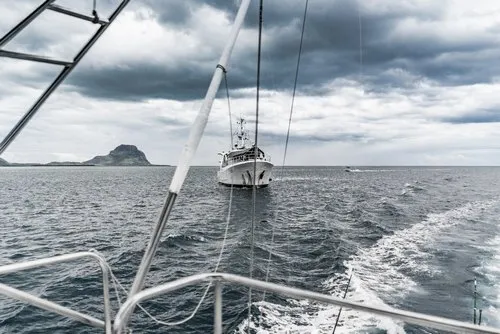
Outside the lagoon, the danger increases. Small boats may be exposed to rougher seas, engine failure, sudden storms, fatigue, navigation problems and long distances from help. A beautiful blue ocean can become intimidating very quickly when the weather changes.
Weather and Rough Sea
Weather is one of the main dangers for fishermen. Wind, heavy rain, squalls, swell and cyclonic conditions can all make fishing dangerous.
Experienced fishermen read clouds, wind direction, sea colour and swell, but even experience has limits. This is why safety equipment, weather checks and communication are essential, especially for off-lagoon fishing.
Small Boats and Long Distances
Small wooden pirogues and traditional boats are part of the beauty of Mauritian fishing, but they are not built like large offshore vessels. When fishermen travel far from shore, the boat’s size becomes a serious factor.
Engine problems, fuel shortage, strong current or a sudden change in weather can leave fishermen vulnerable. The farther the boat is from land, the more important preparation becomes.
Reef Passes and Currents
Many fishing trips require passing through reef channels. These areas can be dangerous when waves, tide and current meet. A calm lagoon does not always mean the pass is safe.
Fishermen know these places well, but accidents can still happen. For visitors, this is a reminder not to underestimate the skill involved in everyday fishing.
Overfishing and the Future of Fishing
Overfishing is one of the biggest concerns for coastal fisheries in Mauritius. Lagoon fish stocks are under pressure because of fishing effort, habitat loss, pollution, coastal development and climate-related stress on marine ecosystems.
When too many fish are removed, especially young fish or breeding adults, the ecosystem becomes weaker and fishermen suffer in the long term. Overfishing is not only an environmental issue. It is also a social and economic issue for coastal communities.
This is why conservation measures, marine protected areas, fishing reserves, closed seasons, gear controls and responsible fishing practices are important. The goal is not to stop people from living from the sea. The goal is to make sure the sea can continue supporting people.
Marine Protected Areas and Fishing Reserves
Mauritius has marine parks, fishing reserves and other protected marine areas where fishing may be limited or regulated. These zones help protect habitats, fish populations, coral reefs and breeding areas.
Visitors and local fishers should respect protected areas and regulations. Fishing in the wrong place or with the wrong gear can damage resources that everyone depends on.
Responsible Fishing Practices
Responsible fishing means respecting minimum sizes, avoiding protected species, following gear restrictions, not damaging coral, not fishing in prohibited zones, reducing waste and taking only what is allowed and useful.
It also means understanding that the lagoon is not unlimited. A healthy reef, healthy fish population and healthy fishing community all depend on balance.
Fishing and Mauritian Food Culture
Fish is important in Mauritian cuisine. It appears in curries, rougailles, vindaye, grilled dishes, fried fish, soups, chutneys and family meals. Fresh fish is also part of beach picnics and coastal village life.
A fisherman returning with a catch may be the beginning of a much larger food story: cleaning, seasoning, cooking, sharing and eating with family. This is why fishing photos can connect naturally with local lifestyle, markets and Mauritian people.
Fishing Villages and Coastal Places
Many coastal villages in Mauritius have fishing traditions. Grand Gaube, Mahebourg, Tamarin, Black River, Cap Malheureux, Trou d’Eau Douce, Grand River South East, Souillac, Riambel, Poste Lafayette and several other areas still show fishing scenes in daily life.
Each place has its own mood. Mahebourg feels historical and lagoon-based. Tamarin and Black River are linked with boats, dolphins and the west coast. Grand Gaube has a quieter northern fishing-village atmosphere. Souillac and the south coast feel rougher and more exposed.
A Small Note About Big Game Fishing
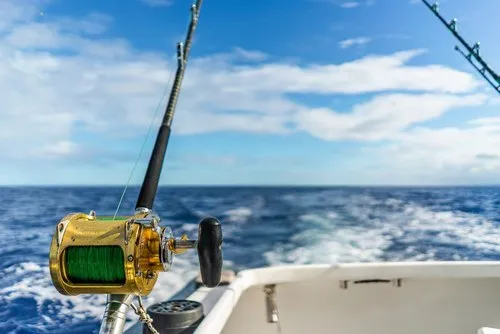
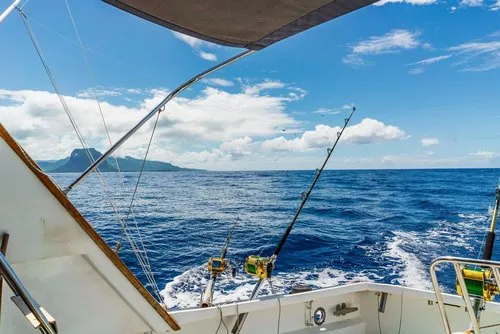
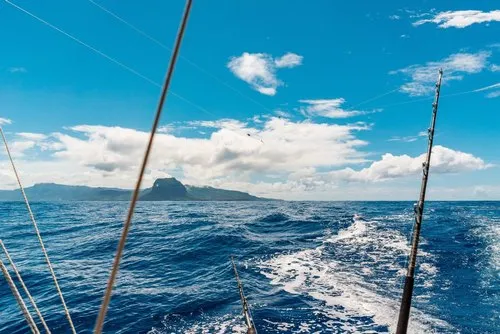
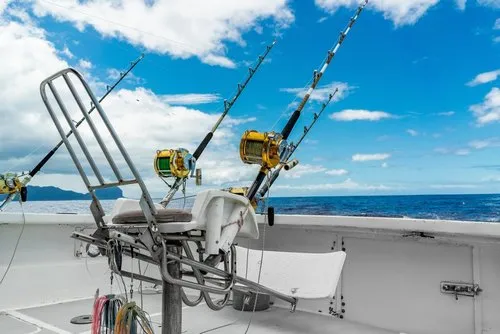
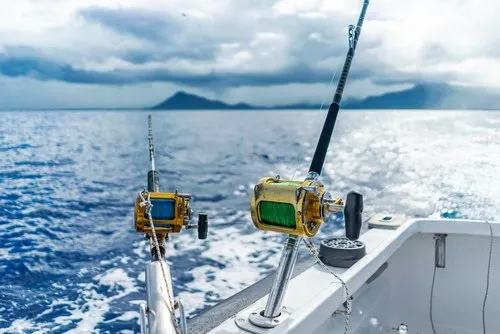
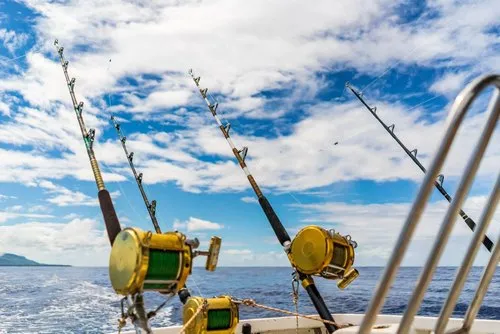
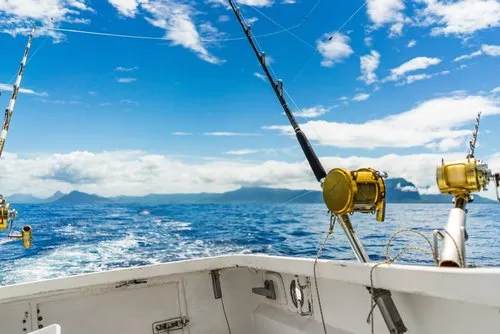
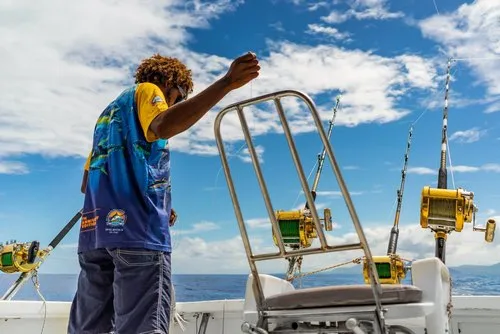
Big game fishing is a more sport-oriented and offshore version of fishing in Mauritius. Instead of lagoon fish and daily coastal work, boats head into deeper waters to target species such as marlin, tuna, dorado and wahoo.
This is a very different experience from traditional pirogue fishing. It is more connected with sport fishing, charter boats, offshore crews and large pelagic fish. To discover that side of the island, visit big game fishing in Mauritius.
Fishing Photography in Mauritius
Fishing is a powerful subject for photography because it combines people, boats, sea, work, weather and tradition. The best fishing photos are often not the obvious ones. A hand holding a rope, a pirogue on wet sand, a fisherman looking at the horizon, or a fish being cleaned near the beach can say more than a perfect catch photo.
Best Fishing Photo Subjects
Good fishing photo subjects include wooden pirogues, fishermen preparing lines, nets drying in the sun, fish landing stations, beach launches, fish markets, shore fishing, boats returning at sunset, women selling fish, bait preparation, reef passes, open-sea trips and coastal villages.
Try to include context. A fisherman alone is interesting. A fisherman with his boat, the beach, the village, the weather and the catch tells a fuller story.
Best Time for Fishing Photos
Early morning is usually the best time for fishing photos. Fishermen leave early, the light is soft, the sea may be calmer, and the atmosphere feels more authentic. Late afternoon is also good for boats returning, fish sales and sunset scenes.
Cloudy weather can work well too. It can make the sea look more dramatic and the work feel more serious. Not every fishing photo needs bright sunshine.
Respectful Photography
Fishing is someone’s work, not a performance. If you want close portraits or photos of people handling fish, ask permission. Do not block fishermen, touch equipment without asking, or photograph difficult moments in a disrespectful way.
A good fishing photo should respect both the person and the sea.
Useful Online References
Useful sources about fishing and fisheries in Mauritius include the FAO Mauritius fisheries and aquaculture profile, the Government of Mauritius Blue Economy and Fisheries page, the UNDP article on new fishing grounds for artisanal fishers, the ECOFISH article on artisanal fishers and off-lagoon fishing, the Mauritius clearing-house page on freshwater, coastal and marine biodiversity and the Fisheries Act 2023.
Visiting Tips
If you want to see fishing life in Mauritius, go early in the morning to coastal villages, public beaches, small jetties or fish landing areas. Move slowly, observe respectfully and remember that the people you see are working.
If you want to fish yourself, check local rules, protected areas and safety conditions before doing so. Avoid fishing in marine parks or reserves unless regulations clearly allow it, and never damage coral or leave fishing line, hooks or plastic behind.
Fishing in Mauritius is beautiful to photograph, but it is also a serious livelihood. The best way to appreciate it is with respect for the fishermen, the sea and the future of the fish themselves.
Fishing Photos from Mauritius
Explore fishing photos from Mauritius, from wooden pirogues, fishermen and fish markets to lagoon fishing, shore fishing, nets, open-sea trips, coastal villages, boats, reef scenes and everyday island fishing life.