Fishes & Aquatic Animals of Mauritius
Explore photos of fish and aquatic animals in Mauritius, from colourful reef fish and lagoon life to dolphins, turtles, crabs, fishing scenes, coral reefs, rivers and waterfalls around the island.
Read more about fish and aquatic animals in Mauritius
About Fish and Aquatic Animals in Mauritius
Mauritius is surrounded by lagoons, coral reefs, reef passes and deeper ocean waters, so aquatic life is part of the island’s daily scenery in many different ways. You see it underwater while snorkelling, around fishing boats in coastal villages, at markets, in restaurants, near rivers and waterfalls, and sometimes only as a quick flash of colour between the corals. Quick, bright, gone. Typical fish behaviour.
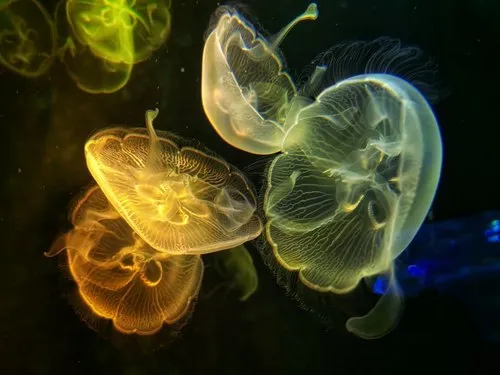
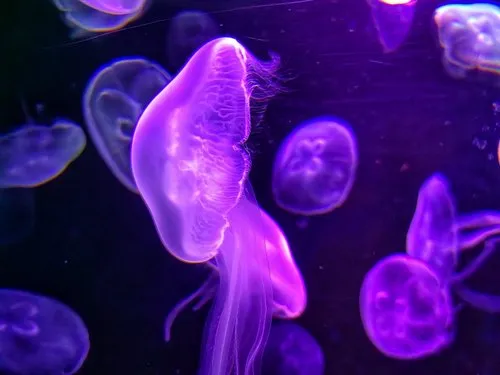
But this page is not only about fish. The aquatic world of Mauritius also includes sea turtles, dolphins, whales, sharks, rays, crabs, octopus, shells, corals, freshwater animals and many smaller creatures that are easy to miss unless you slow down and really look.
For photographers, fish and aquatic animals show a side of Mauritius that many visitors only partly notice. The island is not only beaches from above the water. Under the surface, and along the coast, there is another world: reef fish, coral gardens, sand patches, seagrass, rocky pools, fishing activity, river life and the constant movement of marine creatures.
Fish in the Lagoons of Mauritius
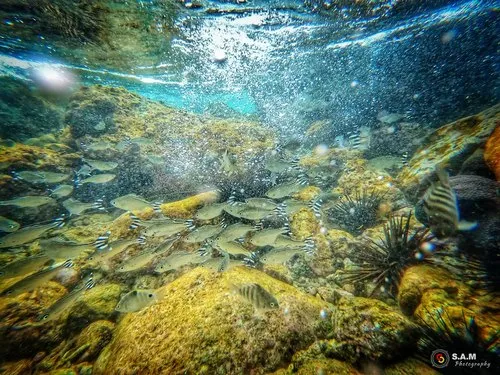
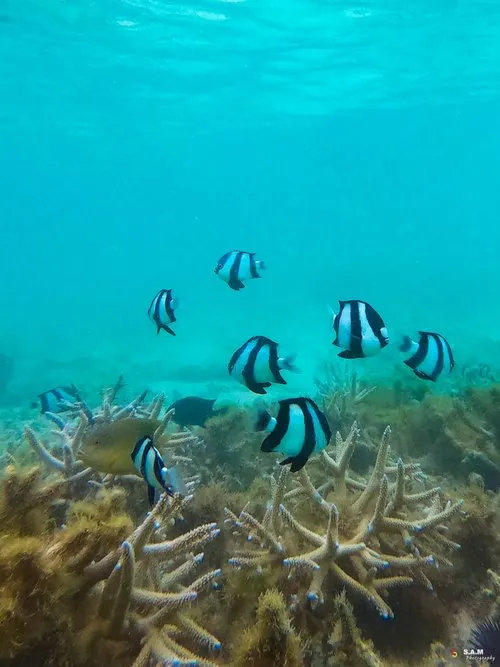
The lagoons of Mauritius are among the easiest places to observe small fish and marine life. Around reef areas, rocks, seagrass beds and coral gardens, shallow water can become full of movement. From the beach, the lagoon may look calm and empty. Underwater, it is usually much busier. Very busy, actually.
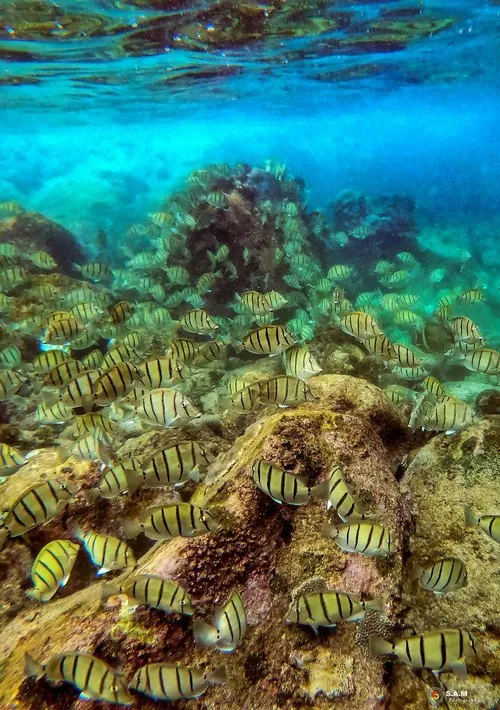
Lagoon fish are not just decorative details for snorkellers. They feed, hide, clean, breed and move between different parts of the reef. Some stay close to coral branches. Some graze on algae. Some move in small groups over the sand. Others appear for one second and disappear before your camera even understands what happened.
This is what makes lagoon fish interesting for photography. They bring life, scale and colour to the underwater landscape. A coral scene without fish can look still. Add a few moving fish, and the whole image starts to breathe.
Fish and Coral Reefs
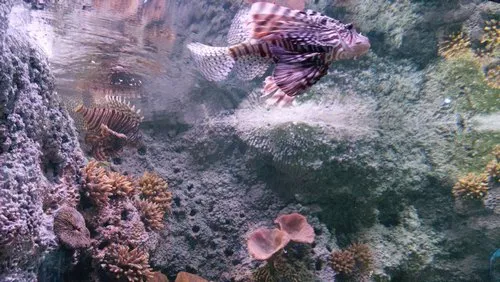
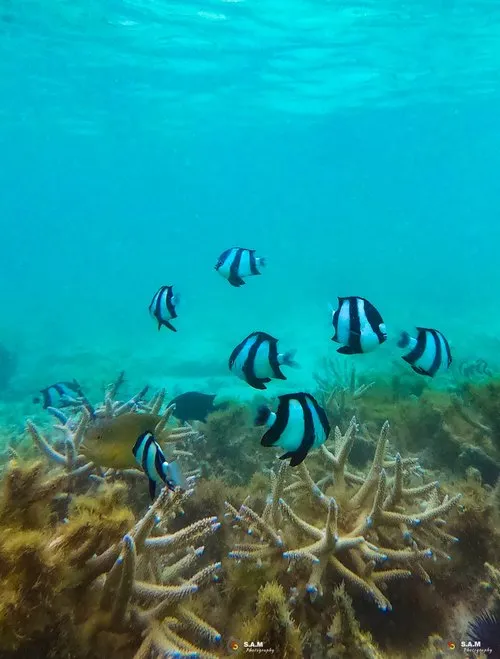
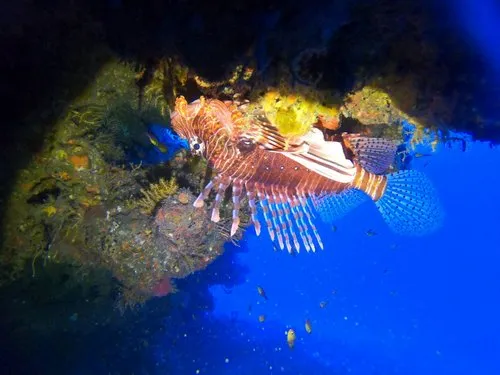
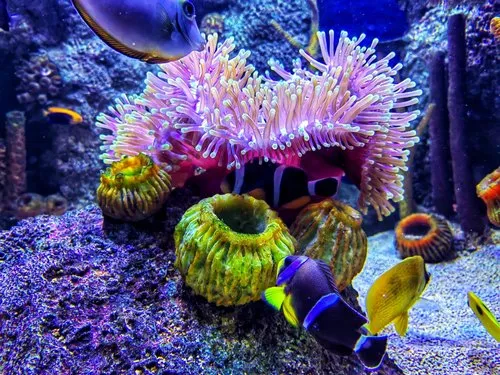
Fish are closely linked to coral reefs. Corals provide shelter, feeding areas and hiding places for many reef species. Small fish move between branches, crevices and sandy patches, while larger species may patrol the reef edges, channels or reef passes.
This relationship is one reason reef protection matters so much. Damaged corals do not only mean less colour underwater. They can also mean less shelter for fish, fewer breeding areas and a weaker lagoon ecosystem. The fish and the reef are part of the same story.
In Mauritius, coral reefs also matter beyond photography. They help protect the coast, support fisheries, attract visitors and form part of the natural identity of the island. When reefs are under pressure, the effects can reach fish, fishermen, tourism operators, coastal villages and the wider marine environment.
Common Fish Seen Around Mauritius
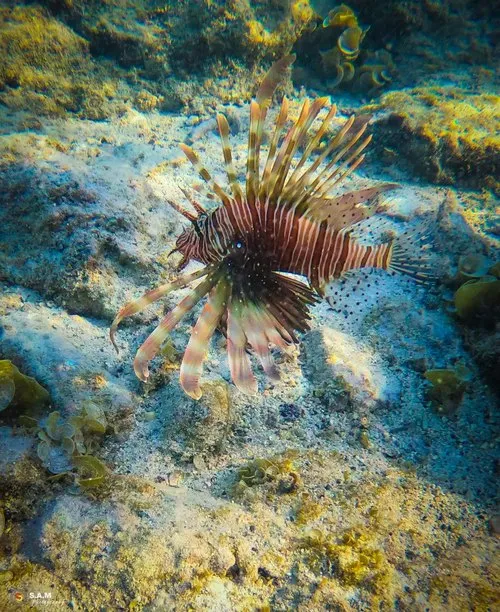
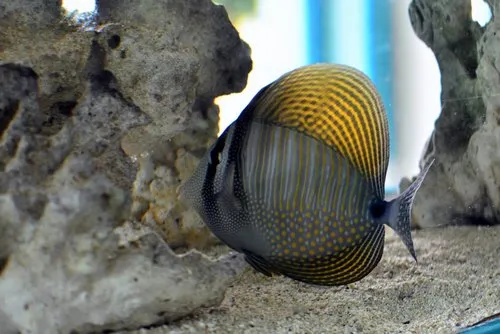
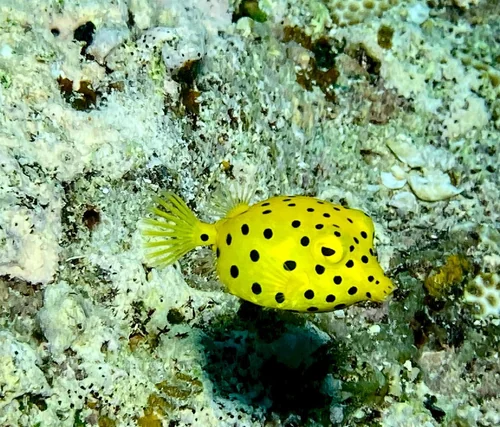
Visitors snorkelling in Mauritius may see parrotfish, surgeonfish, butterflyfish, damselfish, wrasses, Moorish idols, goatfish, triggerfish, sergeant majors, trumpetfish, squirrelfish, angelfish, clownfish and other reef species depending on the site, depth, tide and sea conditions.
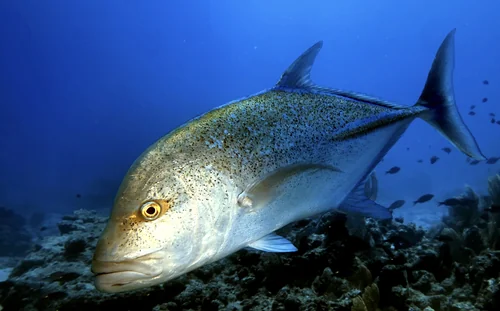
In deeper water and around fishing areas, Mauritius is also known for larger species such as tuna, dorado, marlin, barracuda, bonito and other pelagic fish. These are more connected with boat trips, offshore fishing and the island’s wider ocean environment than with casual beach snorkelling.
Some fish are easy to admire because of their colours. Others are important because of what they do. Parrotfish, for example, are often seen grazing around reefs. Predator fish help maintain balance. Small schooling fish can attract larger animals. Nothing is really isolated in the sea.
Blue Bay and Marine Parks
Blue Bay Marine Park is one of the best-known places in Mauritius for seeing fish, coral gardens and shallow marine life. It is associated with snorkelling, glass-bottom boat trips, reef fish, clear water and one of the island’s most famous underwater landscapes.
For visitors who are not comfortable swimming far from shore, glass-bottom boats can offer a way to observe the underwater world without entering the water. For photographers, Blue Bay can be interesting both above and below the surface: boats, turquoise water, reef patches, people preparing for snorkelling, and the contrast between calm lagoon colours and the fragile life below.
Blue Bay is not the only place where fish can be seen. Trou aux Biches, Pereybere, Flic en Flac, Belle Mare, Le Morne, Pointe aux Piments, Grand Baie, Rodrigues and other lagoon areas may also offer fish sightings when the conditions are right. Some days are magical. Some days the sea says, not today.
Dolphins, Whales and Marine Mammals
Aquatic animals in Mauritius are not limited to reef fish. Dolphins and whales are also part of the island’s marine world, especially in offshore areas and around boat-based observation activities.
These animals are powerful subjects for photography, but they also require more responsibility. A dolphin or whale photo should never come from chasing, crowding, touching, feeding or stressing the animal. The sea is not a studio, and wildlife is not there to perform for us.
For photographers, the best images are often not the closest ones. A dorsal fin in calm morning light, a boat kept at a respectful distance, a wide ocean scene with a small whale shape in the frame — these can be more honest and more beautiful than aggressive close-up encounters.
Sea Turtles, Sharks and Rays
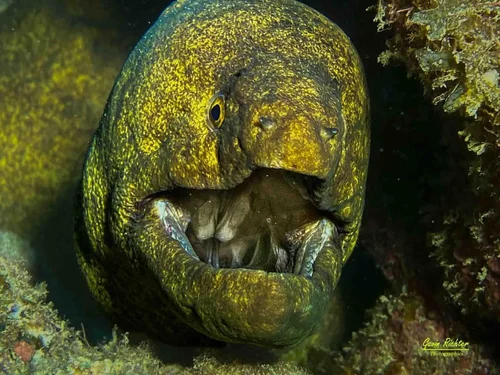
Sea turtles, sharks and rays are also part of the aquatic life connected with Mauritius and the wider Indian Ocean. They are not always easy to see, and they are not always easy to photograph well, but they add a deeper wildlife dimension to the island’s marine identity.
Turtles often make people emotional because they feel ancient, calm and fragile at the same time. Sharks and rays are different. They can be misunderstood or feared, yet they are important animals in marine ecosystems. Seeing them only as danger misses the bigger picture.
If these animals appear in photos, context matters. A shark is not just a dramatic subject. A ray is not just a shape in the water. A turtle is not just a cute encounter. They are part of a living ocean system that needs space, respect and protection.
Crabs, Shells, Octopus and Small Coastal Life
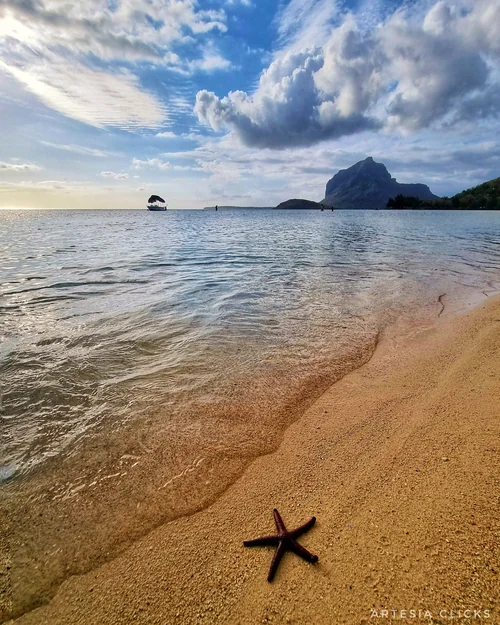
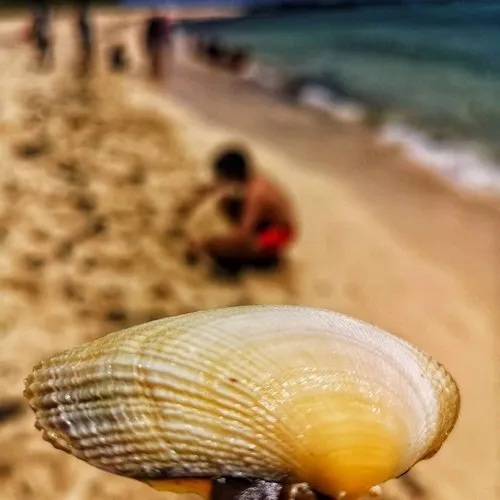
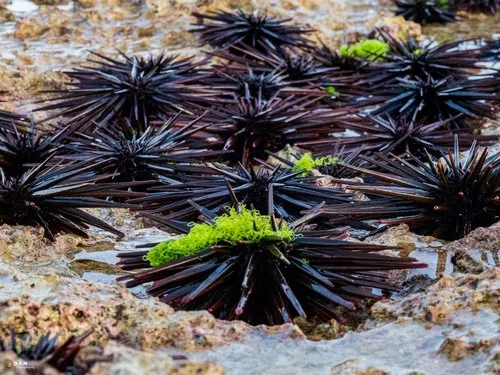
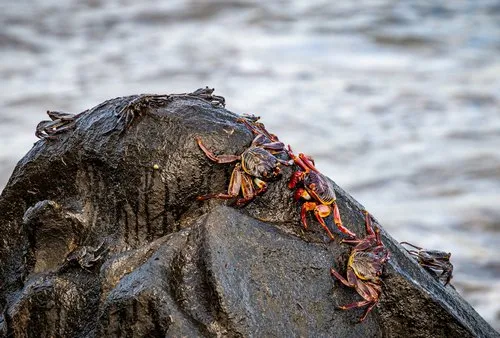
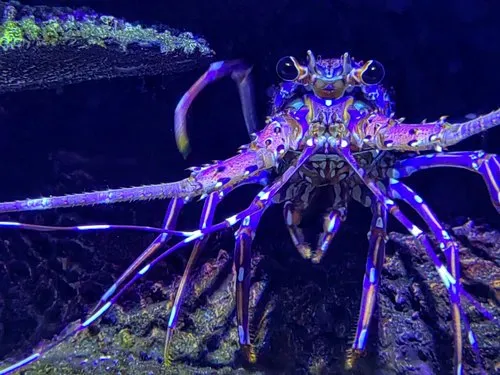
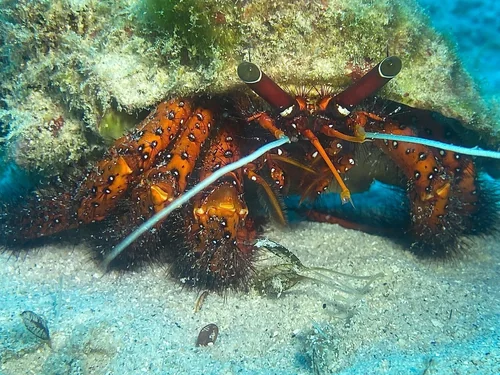
Not every aquatic animal is large, colourful or easy to identify. Crabs moving over rocks, shells on the sand, tiny fish in tide pools, small octopus hiding in crevices, sea urchins, starfish, shrimp-like creatures and other small coastal animals can all make interesting photographs.
These subjects are often missed because people look too far away. They search for dolphins, whales or colourful fish, while a tiny crab is doing something fascinating right next to their feet. Sometimes the best wildlife photo is not in the deep ocean. It is in a shallow pool on a quiet rock.
Small subjects also work well for macro and detail photography. Texture, reflection, movement, wet sand, bubbles, shells and patterns can all tell the story of the coast in a more intimate way.
Freshwater Aquatic Life
Mauritius is not only about the sea. Rivers, waterfalls, ponds and wetlands also support aquatic life. Freshwater photos may include small fish, insects near water, water plants, birds feeding near rivers, animals around waterfalls, or reflections in calm pools.
Freshwater environments are visually different from lagoons and coral reefs. The colours are often darker, greener and more shaded. A river scene may feel quiet and hidden, while a waterfall can feel dramatic and full of energy.
For Explora, freshwater aquatic life is useful because it connects fish and animals with waterfalls, forests, rain, rivers and inland Mauritius. It helps show that the island’s aquatic world is not only blue lagoons and beaches.
Fishing in Mauritius
Fishing is part of everyday coastal life in Mauritius. In many villages, fishermen still go out in small boats, prepare nets, clean fish, repair gear and return with the day’s catch. These scenes are often just as meaningful as underwater fish photos.
Fishing also has a recreational and offshore side. Mauritius is known for big-game fishing, especially in deeper waters where species such as marlin, tuna and dorado may be targeted. For photographers, this creates another type of image: boats, rods, sea spray, harbours, early morning departures and the relationship between people and the ocean.
Fishing photos can also raise questions. What species are being caught? Is the fishing local, commercial, recreational or traditional? How are fish populations changing? A simple fish photo can sometimes tell a much larger story about food, livelihood, culture and sustainability.
Fish Markets and Local Food
Fish are also important in Mauritian food culture. Fresh fish may appear in curries, rougaille, grilled dishes, fried preparations, soups, seafood platters and simple home meals. In coastal towns and markets, fish stalls can be full of colour, movement and local conversation.
For visitors, tasting fresh fish is one way to understand island life beyond the hotel buffet. For photographers, markets and fishing villages offer strong documentary scenes: baskets, scales, ice, hands, knives, boats and the quick rhythm of people buying and selling before the best catch is gone.
These scenes are not always glamorous, but they are real. And sometimes real is more powerful than a perfect postcard.
Fish and Aquatic Life in Rodrigues
Rodrigues also has a strong connection with fish and lagoon life. The island’s wide lagoon, fishing traditions, coastal villages and surrounding reef system make fish part of both the landscape and daily routine.
Photos from Rodrigues often feel quieter than similar scenes in Mauritius. Smaller boats, wider lagoon views, local fishing activities and open coastal spaces can give fish-related photography a different mood. Less busy. More raw in places.
Rodrigues is also important because it reminds us that “Mauritius” as a photographic subject can include several island identities: Mauritius island, Rodrigues, Agalega, St Brandon and the wider ocean spaces connected to the Republic.
Fish, Beaches and Marine Life
Many visitors first notice fish while swimming near beaches in Mauritius. A small flash of blue or yellow near the rocks, a school moving over sand, a parrotfish grazing on the reef — suddenly the beach becomes more than sand and water.
Fish also connect naturally with the wider category of animals of Mauritius. They may not be as easy to photograph as birds, monkeys or giant tortoises, but they are an important part of the island’s wildlife. Just wetter. And less cooperative.
This is why aquatic animal photos can work well alongside beach, lagoon, boat, waterfall, river and island-life photos. They give depth to the visual story of Mauritius.
Threats to Fish and Aquatic Animals
Fish populations, corals and aquatic habitats can be affected by pollution, warming seas, coral bleaching, overfishing, careless boating, sediment, plastic waste, coastal development and irresponsible snorkelling or diving.
A lagoon can look beautiful from far away while still being under pressure below the surface. Clear water does not automatically mean a healthy ecosystem. A pretty reef photo does not show everything that is happening over time.
This is why responsible tourism, better waste management, careful fishing practices, reef protection, scientific monitoring and conservation education matter for the future of fish and aquatic animals in Mauritius.
Responsible Fish and Aquatic Animal Photography
Photographers should avoid touching fish, feeding them, chasing them or disturbing their habitat. Feeding fish may seem harmless, but it can change behaviour and affect the balance of the reef. Also, do not stand on corals just to get a better angle. That is the wrong kind of photo effort.
If you are photographing from a boat, choose responsible operators. If you are snorkelling, keep a safe distance from reef structures and stay aware of currents, boat traffic and fragile habitats.
For dolphins, whales, turtles, sharks and rays, distance is part of the photo. Good wildlife photography is not only about getting close. It is about knowing when not to get closer.
Photography Tips
Fish move quickly, so patience helps more than force. Watch where they return, wait near rocks or reef edges, and let them come into the frame. Bright fish against coral, a school over sand, or a single fish near a patch of light can create a much better photo than a rushed blur.
Underwater colours can fade quickly, especially in deeper water, so shallow clear lagoons are often easier for natural-looking images. Midday can bring strong underwater light, while early morning may offer calmer water and fewer people. Both can work, depending on the subject.
For non-underwater photography, fish markets, fishing boats, coastal villages, rivers and waterfalls can offer strong scenes with less technical difficulty. No waterproof camera needed there. Just good timing.
Photo Ideas for Fish and Aquatic Animals
Good aquatic photography does not always require a close-up of the animal. A wide photo of a lagoon, a fisherman preparing a boat, fish moving below clear water, or a crab crossing wet sand can also work well.
Useful photo ideas include:
- Colourful reef fish in shallow lagoons
- Fish seen from above through clear water
- Underwater coral and fish scenes
- Crabs, shells and small animals on the coast
- Fishing boats at sunrise or sunset
- Fish markets and local fishing traditions
- Dolphins or whales photographed respectfully from a distance
- Turtles, rays or sharks photographed without disturbance
- Freshwater scenes near rivers and waterfalls
- Rodrigues lagoon and fishing scenes
Visiting Tips
If you want to see fish in Mauritius, start with calm lagoon areas, guided snorkelling spots or glass-bottom boat trips in places such as Blue Bay. Bring reef-safe habits, listen to local advice, and do not assume every clear patch of water is safe for swimming.
For a more local experience, visit fishing villages or markets early in the day. Fish, like photographers, are often better in the morning.
For aquatic wildlife, patience is everything. The sea does not work like a timetable. Sometimes the water is clear, the light is beautiful and the fish are everywhere. Sometimes there is wind, sand in suspension, poor visibility and not much to see. That is part of photographing the ocean.
Useful Online References
Useful sources for learning more about fish and aquatic animals in Mauritius include the Mauritius Clearing-House Mechanism page on freshwater, coastal and marine biodiversity, the FishBase checklist of marine fishes reported from Mauritius, the Mauritius Oceanography Institute OceanQuest document mentioning Blue Bay Marine Park, the Mauritius Now guide to Blue Bay Marine Park, the UNDP coral reef restoration project in Mauritius and Seychelles, the Mauritius Tourism Authority communiqué on dolphin and whale watching, the Mauritius Tourism Authority legislation page, the Marine Megafauna Conservation Organisation in Mauritius and the Reef Conservation Mauritius website.
Fish and Aquatic Animal Photos from Mauritius
Explore photos of fish and aquatic animals from Mauritius, including reef fish, lagoon life, dolphins, whales, turtles, sharks, rays, crabs, coral reefs, fishing scenes, freshwater habitats and other marine life photographed around the island.