Fruits of Mauritius
Browse fruit photos from Mauritius, including tropical fruits, market displays, garden harvests, roadside stalls, seasonal produce, fruit trees and colourful island details captured by Explora photographers.
Read more about fruits in Mauritius
About Fruits of Mauritius
Fruits are part of everyday life in Mauritius. You see them at markets, in home gardens, near village roads, in school lunch boxes, on beach days, at family gatherings and sometimes hanging above your head when you least expect it. Mango season, for example, has a way of making people look at trees with serious interest.
Because of its tropical climate, Mauritius grows and sells many fruits throughout the year. Some are found in gardens and orchards, others are bought from markets, supermarkets, roadside sellers or small village shops. They are not only pretty subjects for photography; they also tell a small story about food, seasons, family habits and local taste.
Popular Fruits in Mauritius
Popular fruits found in Mauritius include mango, lychee, pineapple, banana, papaya, coconut, watermelon, melon, passion fruit, guava, avocado, citrus fruits, orange, lemon, mandarin, grapefruit, pomelo, star fruit, soursop, custard apple, pomegranate, jackfruit, breadfruit, tamarind, jamalac, jamblon, ambarella, dragon fruit, sapodilla, longan and rambutan.
This is not a strict botanical inventory of every fruit ever grown on the island, of course. Mauritius has imported fruits too, and availability changes with the season, shops and growers. But these are among the fruits visitors are most likely to see in markets, gardens, roadside stalls or local homes.
Mangoes
Mangoes are among the most loved fruits in Mauritius. When mangoes start appearing, everyone seems to know someone with a tree. Some mangoes are eaten ripe and sweet, while green mangoes are often enjoyed with salt, chilli, vinegar or pickles.
Mango season is also excellent for photography. A mango tree full of fruit, fallen mangoes on the ground, green mango slices at a roadside stall or ripe mangoes stacked at the market all show a very local side of Mauritius.
Lychees
Lychees are strongly associated with the warm festive season in Mauritius. For many Mauritians, lychees mean December, family visits, summer heat and baskets of fruit disappearing very quickly from the table.
Fresh lychees are beautiful photo subjects because of their red skin, leafy branches and seasonal feeling. They work especially well in market scenes, garden harvests and close-up food photography.
Pineapples
Pineapple is one of the most recognisable tropical fruits in Mauritius. It is often sold peeled and sliced, sometimes with salt, chilli or tamarind sauce. Beach vendors and roadside sellers often make it look effortless, cutting fruit quickly while you wonder why it never tastes quite the same at home.
For photography, pineapple has strong texture and colour. Whole pineapples, sliced pineapples, roadside displays and beach fruit stalls can all make attractive images.
Bananas
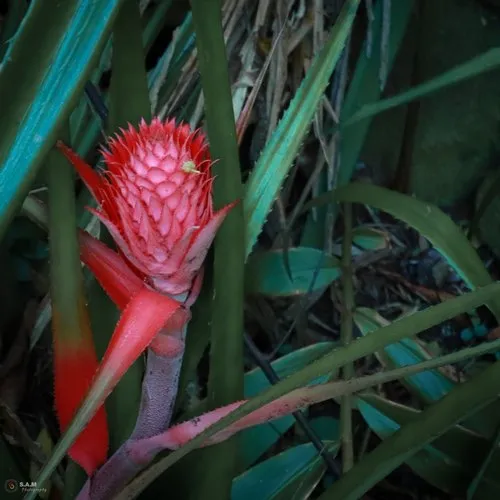
Bananas are common in Mauritius and appear in gardens, markets, breakfast plates, desserts and everyday fruit baskets. Banana plants are also very photogenic, especially their large leaves and purple banana flowers.
A bunch of bananas hanging in a garden or placed on a market table can tell a simple but very Mauritian food story.
Papayas
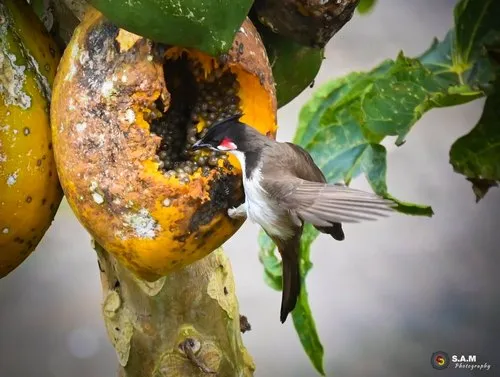
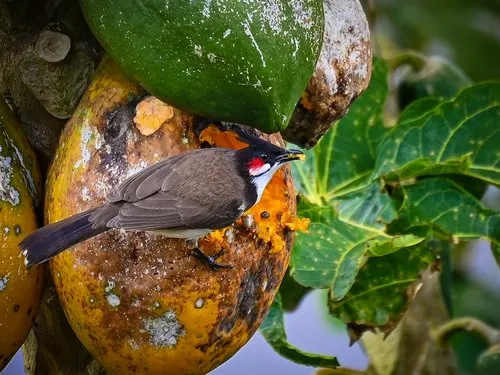
Papaya is another common tropical fruit in Mauritius. It can be eaten ripe, fresh and sweet, or used green in salads, chutneys and local preparations.
Papaya trees are easy to recognise, with fruits growing directly near the top of the trunk. For photos, ripe orange papaya, green papaya and papaya trees beside village homes or garden walls are all useful subjects.
Coconuts
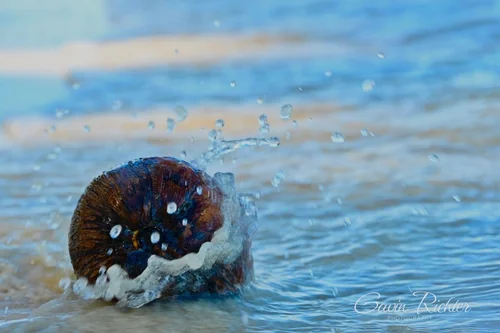
Coconuts are closely linked to the island image of Mauritius, although they are more than a postcard detail. Coconut water, coconut flesh, grated coconut, chutneys and desserts all form part of local food habits.
Near beaches and coastal roads, coconut trees can also become part of the fruit story. They connect fruit photography with beach scenery in Mauritius, tropical shade and island landscapes. Just remember: a coconut tree looks peaceful until something falls from it. Best not to stand in the wrong place.
Guavas, Jamalac and Local Garden Fruits
Guava, jamalac, jamblon, ambarella and other local garden fruits are part of the more familiar everyday fruit culture in Mauritius. Some are eaten fresh, while others are enjoyed with salt, chilli, pickles or preserved preparations.
These fruits may not always look as polished as imported supermarket fruits, but they often carry more local character. A bowl of guavas or ambarella from a home garden can feel much more authentic than a perfect hotel fruit plate.
Citrus Fruits
Citrus fruits in Mauritius include lemon, mandarin, orange, grapefruit and pomelo. They are used for fresh juice, cooking, pickles, drinks, desserts and simple snacks.
Citrus fruits are especially useful in food photography because of their colour and texture. Sliced lemons, mandarins at the market or pomelos displayed at a stall can brighten a photo naturally.
Watermelon, Melon and Refreshing Fruits
Watermelon and melon are especially appreciated during hot days. They are common in markets, supermarkets, beach picnics and family gatherings.
These fruits are simple, colourful and refreshing. For photography, watermelon slices, market displays and beach picnic scenes can work very well, especially in bright natural light.
Exotic and Less Common Fruits
Visitors may also come across fruits such as dragon fruit, sapodilla, rambutan, longan, soursop, custard apple, star fruit, jackfruit and breadfruit. Some are seasonal, some are grown locally in small quantities, and others may be imported or sold only in certain markets.
These fruits are interesting for photography because they are less predictable. Their shapes, colours and textures can add variety to a fruit gallery, especially when photographed in markets or garden settings.
Seasonal Fruits in Mauritius
Fruit availability changes throughout the year in Mauritius. Mangoes, lychees, longans and some other fruits are strongly seasonal, while bananas, papayas, pineapples and coconuts are more regularly available.
This seasonal rhythm is part of the pleasure. Some fruits arrive with a particular mood, a particular month, or a particular family habit. Lychees feel like summer. Mangoes feel like garden conversations. Pineapple feels like a beach snack. Fruit in Mauritius is never just fruit.
Fruit Trees and Gardens
Many fruits in Mauritius are closely tied to home gardens and fruit trees in Mauritius. Mango trees, lychee trees, guava trees, banana plants, papaya plants and coconut palms are part of the visual landscape in many villages and residential areas.
This is where fruit photos can become more interesting than a simple market shot. A mango hanging in morning light, a banana flower, a papaya tree beside an old wall, or lychees still attached to the branch can show the fruit in its real setting.
Markets and Roadside Fruit Stalls
Markets are some of the best places to see fruits in Mauritius. In towns and villages of Mauritius, fruit stalls are often full of colour: green mangoes, ripe bananas, pineapples, papayas, citrus, watermelons and seasonal surprises stacked in neat or not-so-neat piles.
Roadside fruit stalls are also common, especially along busy routes or near tourist areas. They can be excellent photography subjects because they mix fruit, people, signs, baskets, colours and everyday movement. A good fruit stall has personality. Some even have more personality than a luxury shop window.
Local Flavours and Fruit Snacks
Fruit in Mauritius is often eaten fresh, but also with strong local flavours. Green mango, pineapple, cucumber and ambarella may be served with salt, chilli, vinegar, tamarind or pickled sauces. It is sweet, sour, spicy, salty — sometimes all at once. Your mouth wakes up quickly.
Visitors may also find fruit juices, fruit salads, pickled fruits, jams, chutneys, desserts and fresh coconut water. These small food experiences are part of the island’s everyday taste, not just something made for tourists.
Fruits and Agricultural Landscapes
Fruits are not the only important crops in Mauritius. The island’s agricultural identity has long been shaped by sugarcane fields in Mauritius, and many rural roads still pass between cane fields, orchards, gardens and small cultivated plots.
This matters for photography because fruit scenes often sit inside a wider agricultural landscape. A roadside stall beside cane fields, a fruit tree near an estate road, or a basket of local produce in a village market all connect food with place.
Fruit Photography in Mauritius
Fruit photography works best when the image has context. A pineapple alone is fine, but a pineapple at a beach stall, a mango under a tree, a market table full of lychees, or a basket of bananas beside a village road tells more of a story.
Look for colour, texture and light. Glossy mango skins, rough pineapple patterns, papaya orange, coconut fibres, green leaves, wooden crates, market hands, shaded stalls and sunlight through trees can all create strong images. The details are small, but they can feel very Mauritian.
Best Places to Photograph Fruits
Good places to photograph fruits in Mauritius include local markets, roadside stalls, home gardens, village roads, beach snack areas, agricultural regions and small shops. Markets in Port Louis, Mahebourg, Flacq, Curepipe, Quatre Bornes and other towns can be especially colourful.
For more natural fruit photos, gardens and orchards are often better than markets. A fruit still growing on a tree can be more meaningful than a polished display, especially when the leaves, branches and light are part of the image.
Best Time for Fruit Photography
Morning is usually the best time for fruit photography. Markets are fresher, stalls are being prepared, and the light is softer. In gardens, early light can make leaves, fruit skins and small details look much better.
Midday light can be harsh, especially on shiny fruit surfaces. Shade, cloudy weather or soft window light often works better for close-up fruit photos.
Visiting Tips
If you want to taste fruits in Mauritius, try local markets, roadside stalls and small shops, not only hotel buffets. Ask what is seasonal. Sometimes the best fruit is not the most polished one; it is the one someone just picked, placed in a basket and sold before noon.
Wash fruit when needed, be careful with anything already cut if hygiene looks doubtful, and try local flavours with an open mind. Green mango with chilli may surprise you. Then you may want another one. That is how it starts.
Fruit Photos from Mauritius
Explore photos of fruits in Mauritius, from tropical market displays and roadside stalls to mangoes, lychees, pineapples, coconuts, fruit trees, garden harvests and colourful island food scenes.