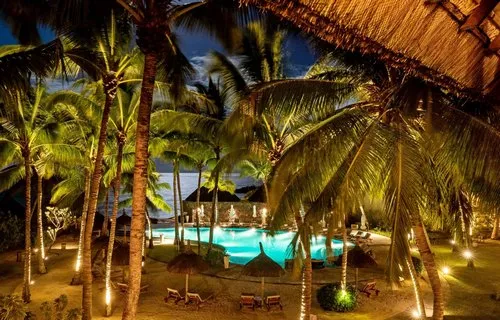
Natural Pools & Swimming Pools in Mauritius
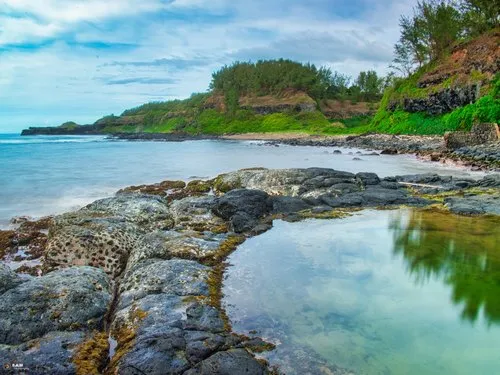
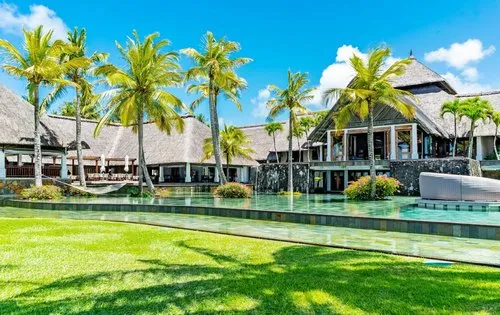
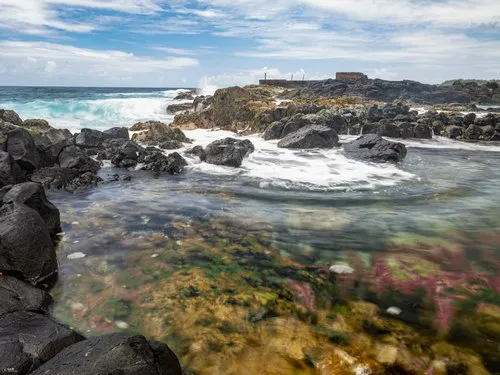
Browse pool photos from Mauritius, including hotel swimming pools, infinity pools, private villa pools, resort pools, natural rock pools, waterfall pools, tide pools, coastal basins and peaceful swimming spots captured by Explora photographers across the island.
Read more about pools in Mauritius
About Pools in Mauritius
Pools in Mauritius can mean very different things. For some people, it means a hotel infinity pool facing the lagoon. For others, it means a quiet private villa pool, a family swimming pool, a waterfall basin hidden in the forest, or a natural rock pool filled by the waves of the Indian Ocean.
This page looks at both sides of the subject: man-made swimming pools in hotels and resorts, and natural pools found in coastal rocks, rivers and waterfall areas. Both are part of the island’s visual story, but they do not offer the same experience, the same safety conditions or the same connection with nature.
So what makes a pool photo interesting in Mauritius? Is it the turquoise water? The reflection of palm trees? The hotel architecture? The rocks around it? The waves filling it? Or the feeling that the pool is part of the landscape rather than separate from it?
Hotel Swimming Pools in Mauritius
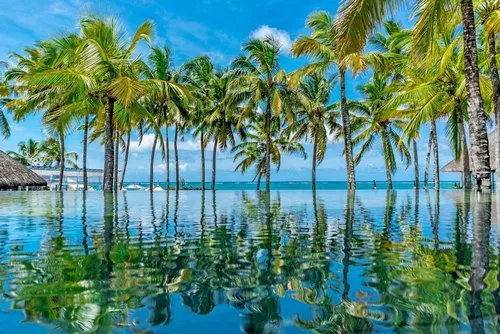
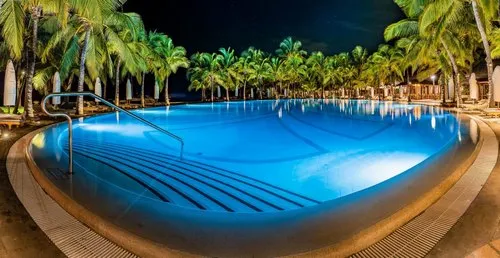
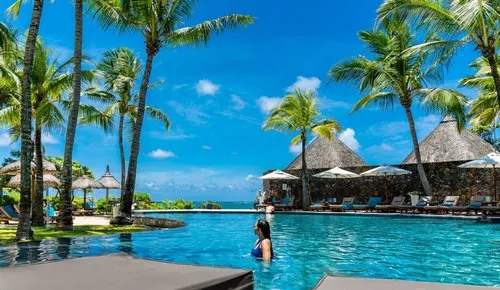
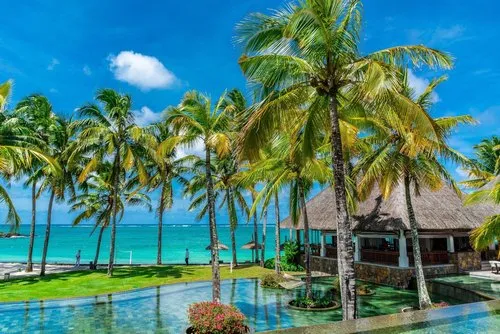
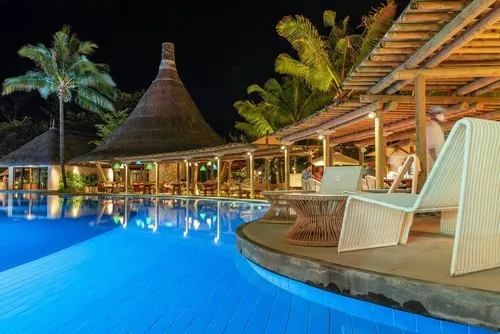
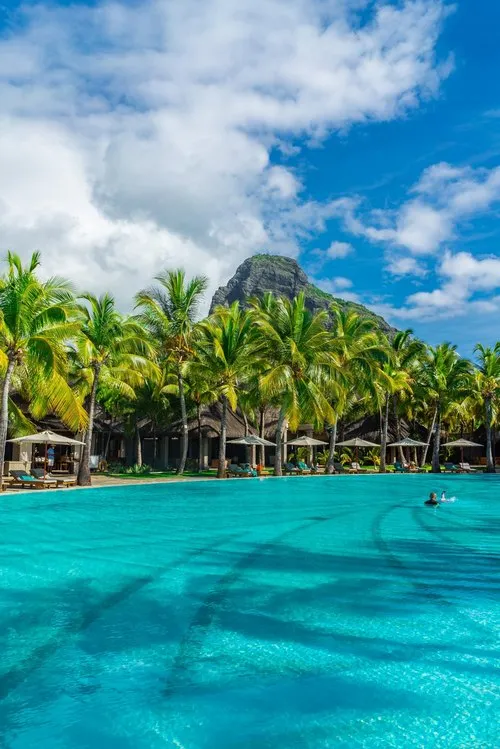
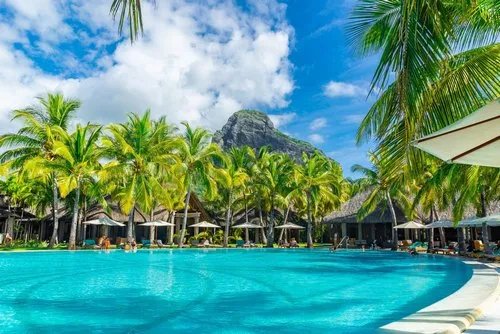
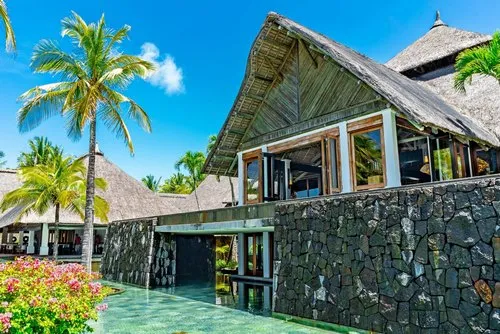
Hotel pools are a major part of the Mauritius holiday image. Many resorts use swimming pools as a central feature of their design, especially along the coast where the pool can be placed close to the beach, lagoon, palm trees and sunset views.
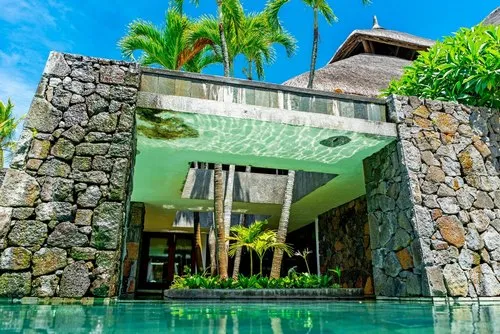
Some hotel pools are large family pools with shallow areas, steps and space for children. Others are quiet adult pools, spa pools, private villa plunge pools or infinity pools designed to visually merge with the sea. In photography, these pools often represent comfort, luxury, calm and tropical escape.
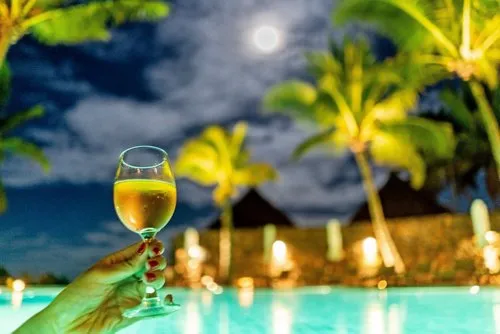
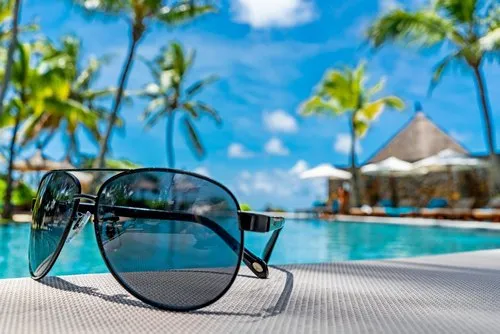
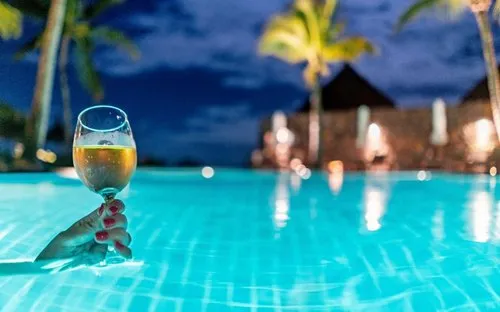
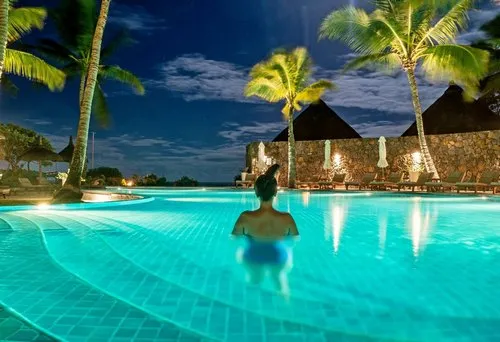
A good hotel pool photo is not only about the water. It can include reflections, architecture, umbrellas, sunbeds, palm trees, garden design, people relaxing, blue skies, evening lights or the line where the pool seems to meet the lagoon.
Infinity Pools
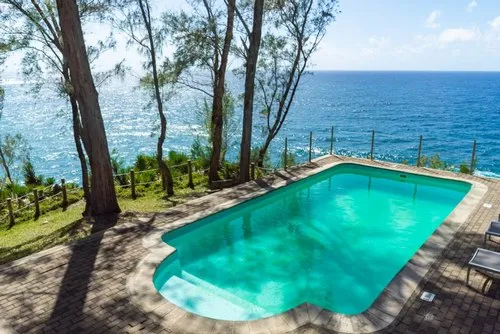
Infinity pools are especially popular in resort photography because they create the illusion that the pool continues into the ocean. In Mauritius, this can work beautifully when the pool is facing a calm lagoon, a sunset, a mountain view or the open sea.
The best infinity pool photos often use simple composition: a clean water line, a clear horizon, reflections and a peaceful foreground. When the sky is blue and the lagoon is calm, the whole scene can feel almost unreal.
Private Villa Pools
Private villa pools are another important pool subject in Mauritius. They are common in coastal villas, holiday rentals and luxury properties, especially in areas such as Grand Baie, Pereybere, Trou aux Biches, Flic en Flac, Tamarin, Black River and the east coast.
Unlike hotel pools, private pools can feel more personal and intimate. A small pool beside a tropical garden, a wooden deck, a frangipani tree or a sea-view terrace can tell a quieter story of island living.
Pool Reflections
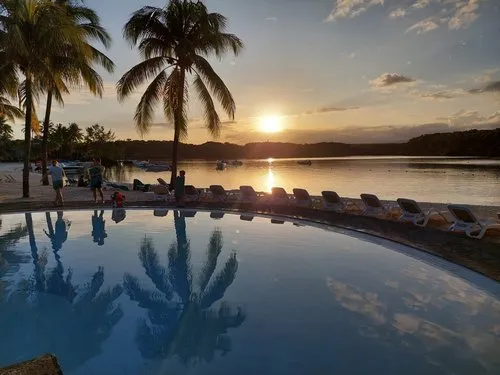
Swimming pools are excellent for reflection photography. Palm trees, clouds, hotel lights, people, buildings and sunset colours can all appear on the water surface.
Sometimes the most beautiful pool photo is not the pool itself, but the reflection inside it. Have you ever noticed how a simple palm tree can become more elegant when it appears upside down in still water?
Natural Pools in Mauritius
Natural pools are different. They are not designed by architects or hotel landscapers. They are shaped by rocks, rivers, waterfalls, waves, tides and erosion. Some are calm and suitable for swimming in the right conditions. Others are only for viewing, because the sea around them is too rough or unpredictable.
In Mauritius, natural pools can be found in several types of landscapes: along rocky volcanic coastlines, near wild southern cliffs, inside lava formations, below waterfalls and in river basins.
The most dramatic natural pools are usually found where water and rock have been working together for a long time. The result can be a clear basin, a tide pool, a waterfall pool or a rock hollow that fills and empties with the movement of the sea.
How Coastal Natural Pools Are Formed
Many coastal natural pools form in depressions within rocky shores. Mauritius has many volcanic rock formations along parts of its coast, especially in the south and in places where dark basalt rocks meet the sea.
Over time, waves hit the rock again and again. Small cracks become wider. Softer or weaker parts of the rock are eroded. Holes, channels and basins can form. When the tide rises or strong waves crash over the rocks, seawater enters these basins. When the water level drops, some of that seawater remains trapped inside the rock pool.
This is why some natural pools look calm even when the ocean nearby is rough. But that calm can be misleading. A larger wave can suddenly refill the pool, splash over the rocks, push people off balance or create dangerous currents around the edges.
In other words, the same waves that make natural pools beautiful can also make them dangerous.
How Waves Fill Natural Rock Pools
Waves fill coastal rock pools in different ways. Sometimes water simply washes over the edge of the rocks during high tide. Sometimes waves enter through cracks, channels or small openings. In places with blowholes or narrow rock passages, water can be forced upward or sideways with surprising power.
At low tide, a pool may look shallow and peaceful. At high tide, the same place may be covered by waves. During rough sea conditions, even a pool that is normally safe can become risky.
This is why local knowledge matters. A natural pool is not like a hotel swimming pool with fixed depth, clean edges and controlled water. It changes with the tide, swell, wind, rain and season.
Fauna and Flora in Natural Pools
Natural rock pools are small ecosystems. They may contain seaweed, algae, small fish, crabs, shrimps, shells, snails, barnacles, sea urchins and other marine life depending on the location, depth and connection with the sea.
These animals and plants survive in a difficult environment. A pool can be underwater at high tide, exposed to sun at low tide, disturbed by waves, warmed by the sun, diluted by rain and visited by birds or people. Life in a rock pool has to be tough.
In Mauritius, intertidal areas are especially interesting because they connect the land and the lagoon. Small fish may hide between rocks, algae may cover the pool edges, crabs may move quickly across the surface, and shells may cling tightly to the stones.
For photographers, these details are worth slowing down for. The story of a natural pool is not only the person swimming in it. It is also the tiny world living inside it.
Can You Swim in Natural Pools in Mauritius?
Yes, some natural pools in Mauritius can be used for swimming, but not all of them, and not at all times. This is very important.
Inland waterfall pools are often more suitable for swimming than exposed coastal pools, although they can still be dangerous after heavy rain or when rocks are slippery. Coastal rock pools need more caution because of waves, tides, sharp rocks, currents and sudden surges.
If a natural pool is close to a rough sea, cliffs or strong waves, it should be treated as a viewing and photography spot unless you are with an experienced local guide and conditions are safe.
Would you swim there if a big wave suddenly came over the rocks? If the answer is no, then it is better to stay out and enjoy the place from a safe distance.
Natural Pools and Rock Pools in Mauritius
The places below are listed as useful examples of natural pools, rock pools, waterfall pools or pool-like natural sites in Mauritius. Some are suitable for swimming in calm conditions or with a guide. Others are mainly scenic places where swimming is not advised.
Gris Gris and the Wild South Coast
Gris Gris, near Souillac, is one of the most dramatic coastal areas in Mauritius. Unlike many lagoon beaches, this part of the coast is exposed to powerful waves and strong currents. The cliffs, rocks and sea spray make it spectacular, but also dangerous.
The Gris Gris area is often associated with wild coastal hikes, rock formations, natural basins and hidden views. Some local guides refer to a natural pool in this wider region, sometimes known locally as Bassin Cochon. Because the sea is powerful here, swimming should only be considered with proper local guidance and safe conditions.
For photography, Gris Gris is excellent for waves, cliffs, rocks, spray, dark volcanic textures and dramatic coastal moods. It is one of those places where Mauritius feels raw and untamed.
La Roche Qui Pleure
La Roche Qui Pleure, near Gris Gris, is famous for waves crashing against the rocks. The name means “the crying rock”, because the water flowing over the rock can look like tears.
This is more a scenic viewpoint than a swimming place. The waves are powerful, the rocks can be slippery, and the sea conditions can change quickly. It is best appreciated as a place for photography, walking and observing the wild southern coast.
Pont Naturel
Pont Naturel is a natural bridge formed by volcanic rock on the south coast of Mauritius. Waves crash below and around the rock formation, creating a powerful and dramatic scene.
Although pools and basins can appear around rocky coastal formations, Pont Naturel itself is not a swimming spot. The sea is rough and dangerous, and water activities are not advised. It is better visited for coastal photography, geology, waves and the impressive shape of the natural bridge.
Le Souffleur
Le Souffleur is another wild coastal site in the south of Mauritius. It is known for a natural blowhole effect, where waves force water through volcanic rock openings and send spray into the air.
The surrounding coastline is beautiful but rough. Swimming is not recommended in exposed areas because of the waves, rocks and sea conditions. However, guided hikes in the wider south coast region may include safer natural pool stops when conditions allow.
Savinia Natural Pool
The south coast around Le Souffleur and Savinia is sometimes visited on guided hikes that include a natural pool with clear water. This is the kind of place where local guidance is useful, because access, tides and sea conditions matter.
For visitors, the appeal is not only swimming. It is the full experience: walking along a wild coastline, seeing cliffs and waves, discovering hidden places and cooling off in a natural basin when it is safe.
Macondé and Baie du Cap Rocky Coast
The Macondé and Baie du Cap region is known for its scenic coastal road, basalt cliffs and dramatic sea views. In some rocky coastal areas, small pools or basins may appear depending on the tide and rock shape.
These are more photography and observation subjects than guaranteed swimming pools. The coast can be exposed, and visitors should be careful around rocks, waves and slippery surfaces.
Roches Noires Lava Tubes
Roches Noires is known for lava tubes, caves, rock formations and freshwater pools. These are not sea-filled tide pools, but they are still part of the island’s volcanic pool story.
The lava tubes show how volcanic activity shaped Mauritius. Water, rock and underground spaces combine to create a very different atmosphere from a hotel pool or coastal rock pool.
Eau Bleue
Eau Bleue is one of the most beautiful freshwater pool areas in Mauritius. Located near Cluny in the south-east, it is known for blue waterfall pools surrounded by vegetation, roots and rocks.
Unlike coastal rock pools, Eau Bleue is formed by river and waterfall action rather than waves. The water is often admired for its clear blue colour, but the paths can be slippery and swimming conditions can change after rain.
For photography, Eau Bleue is ideal for turquoise water, forest shade, waterfall movement and natural pool reflections.
Tamarind Falls or Sept Cascades
Tamarind Falls, also known as Sept Cascades, is one of the best-known waterfall areas in Mauritius. Several waterfalls and basins create natural pools where guided hikes often include swimming stops.
The pools are surrounded by cliffs, vegetation and river landscapes. They can be beautiful, but visitors should be careful with slippery rocks, changing water levels and cliff edges.
Rochester Falls
Rochester Falls, near Souillac, has a pool below the waterfall and is one of the more accessible waterfall pool locations in the south. The basalt rock columns around the waterfall make it visually distinctive.
Some people swim there, but caution is still necessary. Water depth, rocks, slippery surfaces and jumping from heights can all be dangerous.
Exil Waterfalls
Exil Waterfalls, in the south near Combo Forest, includes natural rock pools between waterfalls. This area is often visited through guided nature or adventure activities.
It is a good example of inland natural pools where water, rock and forest combine. The feeling is very different from the coast: cooler, greener and more enclosed.
Hotel Pools vs Natural Pools
Hotel pools and natural pools both attract photographers, but they tell different stories.
A hotel pool is controlled, designed and comfortable. It is about relaxation, architecture, hospitality and holiday atmosphere. The water is clear, the edges are safe, the depth is known, and the setting is usually maintained.
A natural pool is unpredictable. It belongs to the landscape. It may be shaped by waves, rivers, waterfalls, rocks and time. It can feel more adventurous and more connected to nature, but it also requires more respect.
One is designed for swimming. The other may only allow swimming when nature agrees.
Pool Photography in Mauritius
Pools are excellent subjects for photography because they combine water, reflection, colour and atmosphere. In Mauritius, they can also show the contrast between luxury tourism and wild natural landscapes.
A hotel pool photo may focus on calm, symmetry and comfort. A natural rock pool photo may focus on movement, texture and danger. A waterfall pool may feel fresh and adventurous. A tide pool may reveal small marine life and delicate details.
Best Time for Pool Photography
Morning is often good for hotel pools because the water is still, the light is soft and there are fewer people around. Late afternoon is excellent for reflections, warm colours and poolside atmosphere.
For natural pools, timing depends on tide, weather and safety. Low tide can reveal rock pools, while high tide may cover them or make the area dangerous. After heavy rain, waterfall pools can become more powerful but also more risky.
Pool Reflections and Symmetry
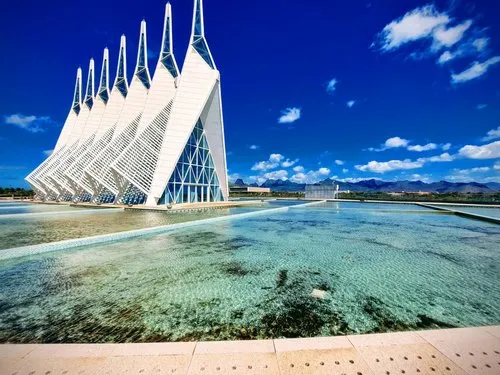
Still water can create beautiful reflections of palm trees, clouds, hotel buildings, mountains, people and lights. A pool can become a mirror if the wind is calm and the surface is undisturbed.
For a clean composition, try placing the horizon carefully, keeping vertical lines straight and using reflections as part of the design rather than just a background.
Natural Pool Details
Natural pools are full of details: algae, small fish, shells, crab tracks, wet rocks, bubbles, reflections, foam, roots, moss and water patterns.
Sometimes the best natural pool photo is not a wide landscape. It may be a close-up of water moving over dark rock, or a small fish hiding between stones.
Drone and Aerial Pool Photography
Drone photography can show hotel pools, villa pools and natural pools from a very different angle. From above, pool shapes become clearer, especially infinity pools, lagoon-style pools, circular pools and rock pools surrounded by dark coastal stone.
Drone pilots should follow local rules, respect privacy, avoid flying over people and be especially careful near hotels, beaches, cliffs, birds and strong coastal winds.
Responsible Swimming in Natural Pools
Natural pools should be enjoyed with care. Do not treat them like artificial swimming pools. They may have sharp rocks, slippery algae, sea urchins, sudden waves, hidden holes, strong currents or changing depth.
- Check the tide before visiting coastal rock pools.
- Avoid swimming when the sea is rough.
- Do not swim alone in isolated natural pools.
- Use a local guide for hidden or difficult-to-access places.
- Do not jump into water unless you know the depth and conditions.
- Wear proper shoes on sharp or slippery rocks.
- Do not disturb marine life, shells, crabs, fish or algae.
- Leave no rubbish behind.
Responsible Pool Photography
For hotel pools, respect privacy. Avoid photographing guests without permission, especially children, families or people relaxing around the pool.
For natural pools, do not step on fragile marine life, remove shells, move animals for photos or damage algae-covered rocks. A rock pool may look small, but it can be a complete habitat for many living things.
A good photo should not disturb the place that made it possible.
Useful Online References
Useful sources about pools, natural pools, rock pools and coastal sites in Mauritius include NOAA information about tide pools, research on intertidal fishes and tide pools in Mauritius, the Mauritius Now guide to Gris Gris, the Mauritius Now guide to Pont Naturel, the Mauritius Attractions page about Pont Naturel, the Mauritius Attractions page about Le Souffleur, the Mauritius Now guide to Eau Bleue waterfall, the Mauritius Now guide to Roches Noires lava tubes, the Mauritius Attractions guide to waterfalls and natural pools and the British Airways Mauritius guide mentioning Tamarind Falls natural pools.
Visiting Tips
If you want to photograph pools in Mauritius, do not look only at luxury hotels. Look also at waterfalls, rivers, rocky coastlines, lava formations and small tide pools where the sea leaves behind a miniature world.
For swimming, choose carefully. Hotel pools are made for safe relaxation. Natural pools require more attention, especially on the coast where waves and tides can change everything.
And if you are unsure whether a pool photo belongs in the story of Mauritius, ask one simple question: does the water show the island’s way of life, nature, tourism, geology, relaxation or adventure? If the answer is yes, then it probably deserves a place here.
Pool Photos from Mauritius
Explore pool photos from Mauritius, from hotel swimming pools, infinity pools and private villa pools to natural rock pools, waterfall basins, tide pools, coastal pools and peaceful swimming places shaped by the island’s tropical landscapes.