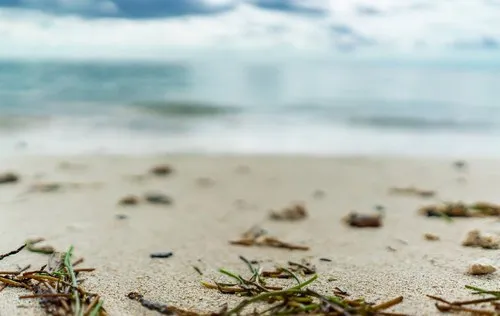
Waves in Mauritius
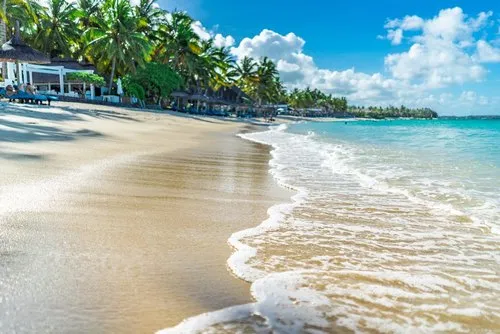
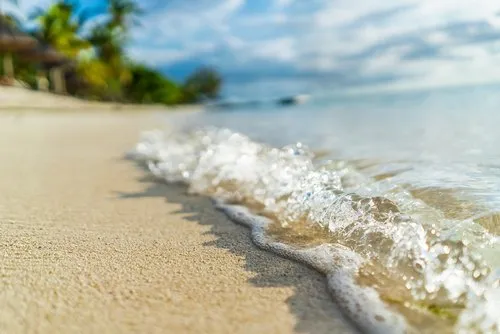
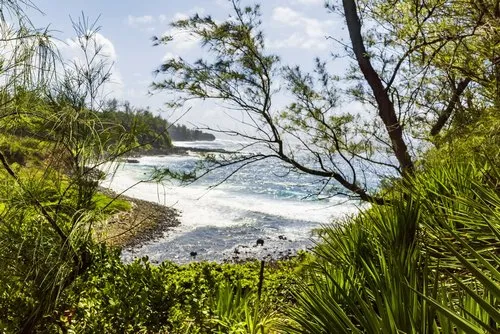
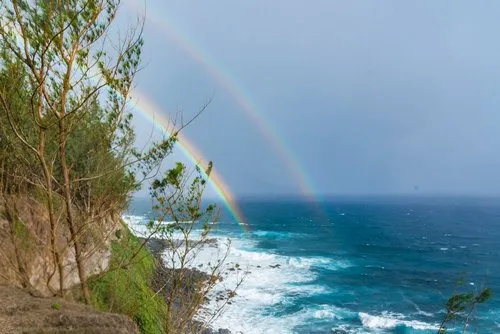
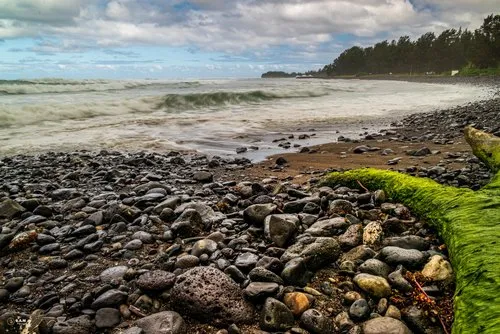
Browse wave photos from Mauritius, including wild south coast waves, reef breaks, surf spots, kitesurfing waves, crashing cliffs, sea spray, lagoon swells, stormy seas and dramatic ocean scenes captured by Explora photographers.
Read more about waves in Mauritius
About Waves in Mauritius
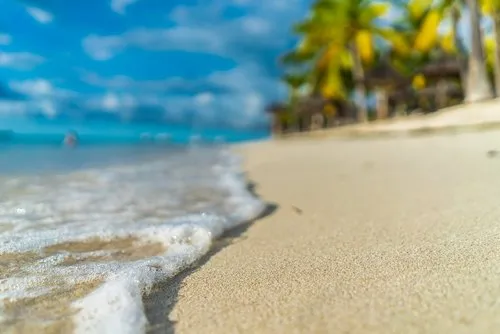
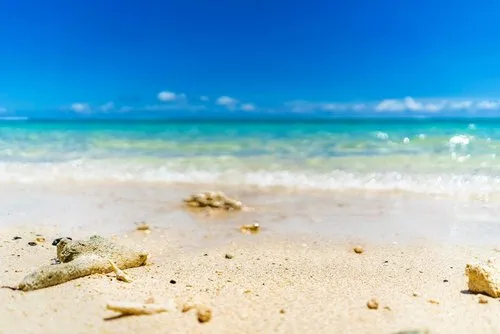
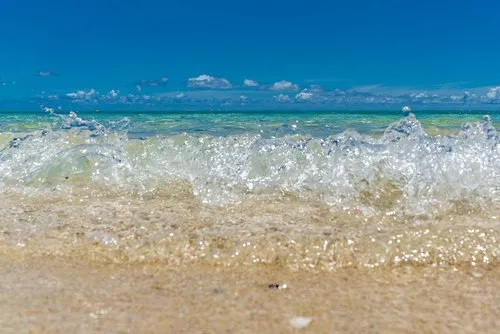
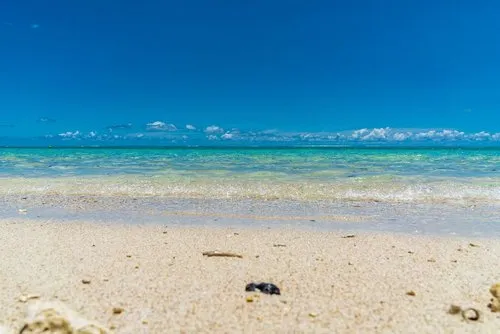
Waves in Mauritius show the island in a very different mood from the calm turquoise lagoon image. Many beaches are protected by coral reefs, so the water inside the lagoon can look peaceful and shallow. But where the reef is absent, broken, distant or exposed to ocean swell, Mauritius becomes much wilder.
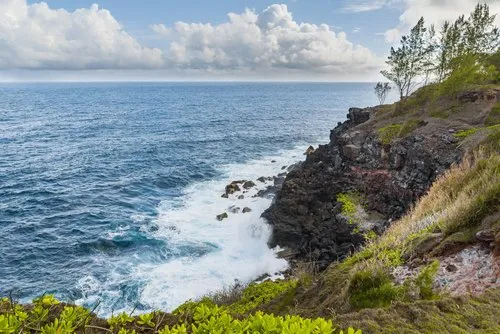
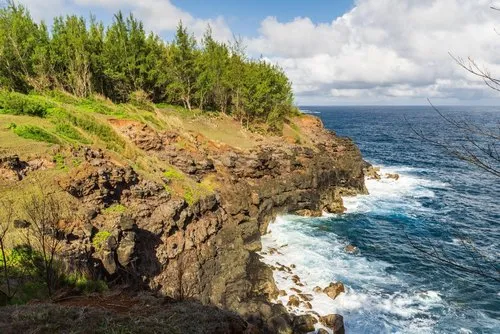
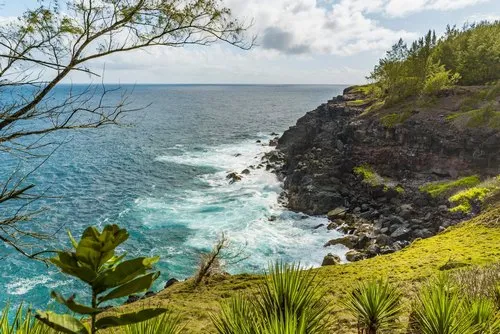
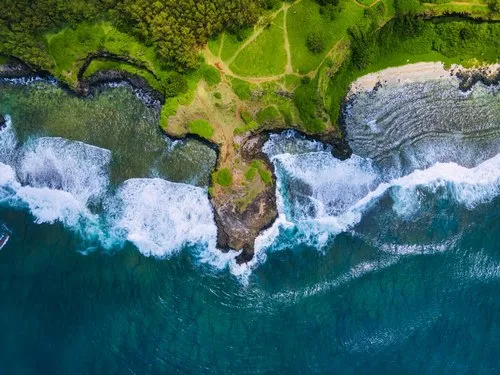
On the south and west coasts especially, waves can crash against volcanic rocks, cliffs and reef passes with real force. These places are beautiful for photography, surfing and wave watching, but they also demand respect. The same wave that looks spectacular in a photo can be dangerous if you stand too close or swim in the wrong place.
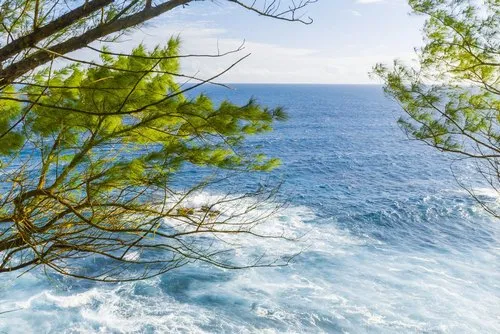
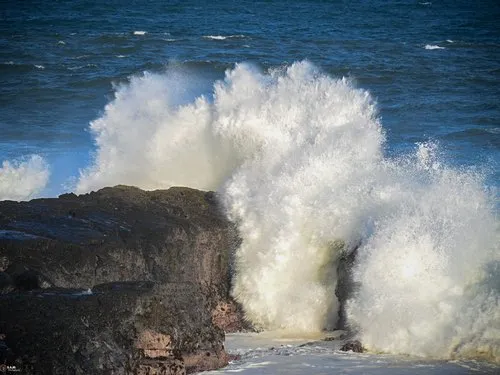
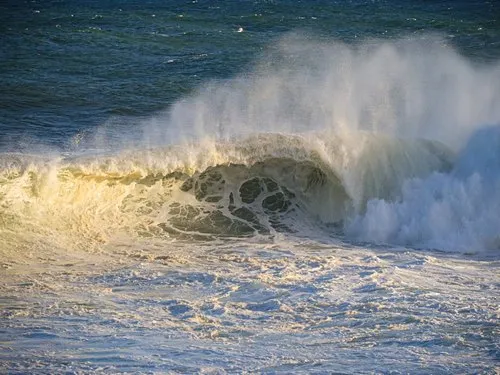
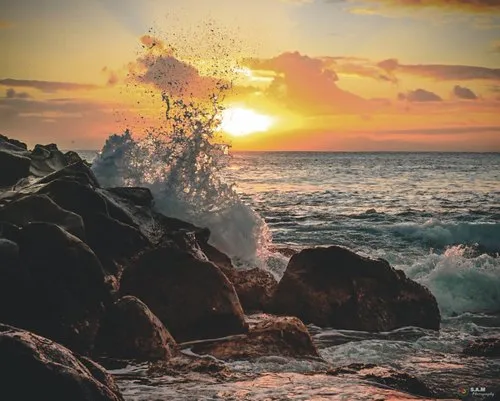
For photographers, waves are powerful subjects. They add movement, texture and drama to the island: white foam on black rocks, sea spray above cliffs, surfers waiting in the bay, kites flying above reef waves, or a small boat crossing the lagoon before the swell breaks on the outer reef.
Where Are the Biggest and Most Dramatic Waves in Mauritius?
The biggest and most dramatic waves in Mauritius are generally found on exposed coasts, reef breaks, cliff areas and places facing open ocean swell. The order below is useful for visitors and photographers looking for powerful wave scenery, but it is not a scientific wave-height ranking. Conditions change with season, swell, tide, wind and weather.
1. Gris Gris and La Roche Qui Pleure
Gris Gris, near Souillac, is one of the most famous places in Mauritius for powerful waves. Unlike many lagoon beaches, Gris Gris is exposed to the open sea and is known for strong currents, huge waves and dramatic cliffs.
This is a place for walking, watching and photographing the ocean, not for casual swimming. The waves can be violent, and the sea often looks rough even when the rest of the island seems calm.
Nearby La Roche Qui Pleure, or the crying rock, is another spectacular wave site. Waves strike the rocks and run down the surface, creating the impression that the rock is crying. It is one of the most poetic and dramatic cliff and wave landscapes in Mauritius.
2. Le Souffleur
Le Souffleur is one of the wildest coastal sites in Mauritius. It is found on the south coast and is known for volcanic rock formations, rough sea and a natural blowhole effect when waves force water and air through openings in the rock.
When the sea is active, the waves crash with force and the blowhole can send spray into the air. It is a powerful place for wave photography, but visitors should be very careful. Wet rocks, exposed edges and sudden waves can be dangerous.
3. Pont Naturel and Le Bouchon Coastline
Pont Naturel is a natural volcanic rock bridge on the south-east coast of Mauritius. The sea below is often rough, with waves striking the cliffs and rock openings in a dramatic way.
This area, together with the wider Le Bouchon and south-east rocky coastline, is excellent for wave watching and photography. It is not a swimming beach. The beauty here comes from the power of the ocean, the black rock and the constant movement of water.
4. Macondé and Baie du Cap
Macondé and Baie du Cap are among the most scenic coastal areas in Mauritius. The famous road curve near Macondé gives a beautiful view over the south-west coast, where waves, reef lines, lagoon colours and coastal cliffs meet.
The waves here may not always be as violent as Gris Gris or Le Souffleur, but the setting is exceptional. The combination of road, sea, mountain, rocks and moving water makes Macondé one of the best wave-and-landscape viewpoints on the island.
5. Albion Cliffs and Pointe aux Caves
Albion, on the west coast, is known for the Pointe aux Caves Lighthouse and rocky cliffs where waves crash below. The sea can be dramatic here, especially when the swell is strong and the wind pushes spray against the rocks.
This is a strong location for sunset wave photography. The lighthouse, cliffs, foam and open horizon create a very different mood from the calm beaches of Mauritius.
6. Tamarin Bay, Black Stone and Dal
Tamarin is one of the best-known surfing areas in Mauritius. The bay and nearby breaks are linked with surf culture, west coast lifestyle, dolphins, boats and sunset scenes.
When conditions are right, Tamarin can produce strong and beautiful waves for experienced surfers. The area includes well-known surf names such as Black Stone and Dal. Visitors should remember that reef breaks, currents and local surf rules matter. It is always better to ask local advice before entering the water.
7. Le Morne, One Eye and Manawa
Le Morne is one of the most famous wave and wind-sport areas in Mauritius. The lagoon can be calm enough for learning in suitable zones, while the outer reef breaks such as One Eye and Manawa are known for more serious wave riding.
This area is especially important for kitesurfing and wave kitesurfing. With Le Morne Brabant in the background, the lagoon, reef, wind and waves create one of the most recognisable ocean-sport landscapes in Mauritius.
8. Poste Lafayette and the East Coast
Poste Lafayette and parts of the east coast can become rough and windy, especially during trade-wind periods. The waves may be choppier and more wind-driven than the classic surf breaks of Tamarin or Le Morne, but the atmosphere can be strong and dramatic.
This region is often linked with wind sports, coastal walks and rugged beach scenery. It is a good place for wave photos when the sea is active and the sky has character.
Why Some Beaches Have Calm Water and Others Have Big Waves
Mauritius is surrounded in many places by coral reefs. These reefs break the force of the ocean swell before it reaches the beach, creating calm lagoons that are ideal for swimming, snorkelling and family beach days.
Where the reef is absent, broken or far from shore, waves can reach the coast with much more energy. This is why places such as Gris Gris, La Roche Qui Pleure, Le Souffleur and Pont Naturel feel so different from Mont Choisy, Trou aux Biches or Belle Mare.
The shape of the seabed, reef passes, tide, wind direction and swell direction also matter. A beach can be calm one day and rough the next. Mauritius is small, but the sea changes quickly.
Best Surf Spots in Mauritius
The best-known surf spots in Mauritius are mainly on the west and south-west coasts. Tamarin and Le Morne are the names most visitors hear first, but several other reef and coastal breaks also exist.
Tamarin Bay
Tamarin Bay is the historic surf spot of Mauritius. It has a strong identity, a local surf culture and a beautiful mountain-and-bay setting.
The waves here are not always beginner-friendly, and conditions can depend heavily on swell, tide and wind. Surfers should respect local surfers, understand the break and avoid entering crowded or difficult conditions without experience.
Black Stone and Dal
Black Stone and Dal are associated with the Tamarin region and are known by surfers looking for stronger west coast waves. These are not casual swimming spots.
For photography, these places can be excellent when surfers are in the water, the swell is clean and the evening light turns the bay into a dramatic scene.
Le Morne and One Eye
Le Morne is one of the most famous ocean-sport areas of Mauritius. One Eye is especially known among experienced surfers and kitesurfers for its fast reef wave.
This is not a beginner wave. Reef, current, wind, coral and speed make the spot serious. It is beautiful to watch and photograph, but it should be approached with humility.
Manawa
Manawa, also in the Le Morne region, is another well-known outer reef wave. It can be used by surfers, windsurfers and kitesurfers depending on conditions.
Because it is offshore and reef-based, it is better suited to people with experience, local knowledge or professional support.
Kitesurfing and Wave Kitesurfing Spots
Mauritius is one of the well-known kitesurfing destinations in the Indian Ocean. The best kitesurfing conditions depend on wind, season, tide and rider level. The south and south-west are especially famous because of the trade winds.
Le Morne Lagoon
Le Morne Lagoon is the main kitesurfing area in Mauritius. It offers space, wind, shallow sections and a spectacular view of Le Morne Brabant.
Beginners usually stay in suitable lagoon zones with instructors, while more advanced riders may head towards reef waves when conditions allow. The contrast between a learning lagoon and advanced wave spots nearby is one of the reasons Le Morne is so well known.
One Eye
One Eye is famous for wave kitesurfing. It is powerful, fast and visually impressive, with the mountain and reef landscape behind it.
This spot is for experienced riders only. It can be dangerous because of reef, speed, current and wave power. For photographers, it is spectacular; for beginners, it is a place to admire from a safe distance.
Manawa
Manawa is another important wave spot near Le Morne. It is used by experienced kitesurfers, windsurfers and surfers depending on conditions.
Because the wave breaks on the reef and is offshore, safety, skill and local advice are essential.
Bel Ombre
Bel Ombre, on the south coast, can also offer good wind and lagoon conditions for kitesurfing, depending on the season and weather.
The area is less famous than Le Morne but has beautiful coastal scenery, resorts, open sea views and a quieter south coast atmosphere.
Poste Lafayette
Poste Lafayette, on the east coast, is another wind-sport area. The beach can be windy and the sea can become rough, which makes it interesting for experienced riders and wave photographers.
The coastline is more exposed than many family beaches, so visitors should pay attention to sea conditions before swimming or practising water sports.
Anse la Raie
Anse la Raie, in the north, is known as a kitesurfing area with more open lagoon scenery. It can be a good place for wind-sport photography, especially when colourful kites fill the sky.
As always, conditions vary, and beginners should use a professional school rather than trying alone.
Windsurfing and Other Wave Sports
Windsurfing, wing foiling, stand-up paddle surfing and bodyboarding may also be practised in Mauritius depending on the spot and conditions. The most suitable areas depend on wind, waves, reef, lagoon depth and safety.
Le Morne is one of the strongest locations for windsurfing and wave riding. The east coast can also offer windier water-sport conditions, while the west coast is more famous for surfing and sunset wave scenes.
Visitors should not assume that any beach with waves is safe for water sports. Some dramatic wave spots, such as Gris Gris, Le Souffleur and Pont Naturel, are for watching, not playing.
Waves, Cliffs and Wild Coast Photography
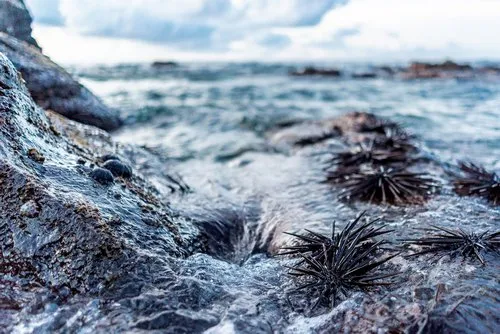
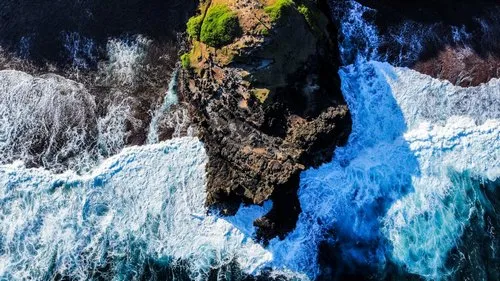
Waves are especially dramatic when they meet cliffs and volcanic rocks. This is why the south coast is so important for wave photography in Mauritius.
At Gris Gris, La Roche Qui Pleure, Le Souffleur, Pont Naturel and Albion, waves create white foam, spray, sound and movement. These places work beautifully in colour photography, but also in black and white photography, where contrast and texture become stronger.
For photographers, the best wave images often need patience. Watch the rhythm of the sea. One wave may be ordinary. The next one may explode against the rock and fill the whole frame.
Waves, Boats and Fishing Life
Waves also affect fishermen and boat operators. Many local fishermen use small pirogues, and crossing reef passes or working outside the lagoon can become dangerous when waves are strong.
Fishing in Mauritius depends on knowledge of sea conditions, wind, tides and reef channels. What looks like a normal day from the beach may still be risky for a small boat offshore.
For photography, waves and boats together can create strong images: pirogues in the lagoon, fishing boats returning through swell, catamarans beyond the reef, or speed boats crossing choppy water.
Best Time to Photograph Waves in Mauritius
The best time to photograph waves depends on the spot. Early morning often gives softer light and calmer wind. Late afternoon gives warmer tones and dramatic shadows, especially on the west coast. Cloudy or stormy weather can make waves look stronger and more cinematic.
Winter months can bring stronger swell in some areas, while trade winds can make the south and east coasts more active. Cyclonic or stormy periods can create very dangerous seas and should be treated with caution, not excitement.
Wave Photography Tips
Use a fast shutter speed if you want to freeze sea spray and crashing waves. Use a slower shutter speed if you want a softer, more artistic movement effect, but only from a safe and stable position.
Include something for scale when possible: a cliff, lighthouse, surfer, boat, person or rock. A wave alone can look impressive, but a wave hitting a cliff or rising behind a surfer tells a better story.
Drone and Aerial Wave Photography
Drone and aerial photography in Mauritius can show wave patterns beautifully. From above, you can see reef lines, white foam, lagoon colour changes, surfers, kitesurfers and the way waves wrap around the coast.
Drone pilots should follow local rules, avoid flying over people, respect privacy and be careful with strong coastal wind. Wave spots are often windy, and wind near cliffs or mountains can be unpredictable.
Safety Around Waves in Mauritius
Waves in Mauritius should be respected. Strong currents, reef breaks, rocks, coral, sudden sets, slippery basalt and changing tides can all create danger.
Do not swim at places known for rough seas such as Gris Gris, La Roche Qui Pleure, Le Souffleur and Pont Naturel. Stay away from cliff edges and wet rocks, especially when waves are breaking strongly.
Surfers and kitesurfers should respect local rules, local riders, reef hazards and their own level. If you are a beginner, use a professional school and stay in suitable areas. The ocean is not impressed by confidence.
Useful Online References
Useful sources about waves, surf and kitesurfing in Mauritius include the Mauritius Now guide to Gris Gris Beach, the Mauritius Now guide to kitesurfing in Mauritius, the Surf-Forecast guide to Le Morne and the Ocean Vibration guide to surfing in Mauritius.
Visiting Tips
If you want to see the most dramatic waves in Mauritius, start with Gris Gris, La Roche Qui Pleure, Le Souffleur, Pont Naturel, Albion cliffs and Macondé. If you want surf culture, look towards Tamarin and Le Morne. If you want kitesurfing and wind sports, Le Morne is the main reference, with other spots such as Bel Ombre, Poste Lafayette and Anse la Raie depending on conditions.
Bring proper shoes for rocky coastlines, protect your camera from sea spray, keep a safe distance from waves and never turn your back on the ocean in exposed areas. Mauritius waves are beautiful, but they are not decorations. They are the Indian Ocean at work.
Wave Photos from Mauritius
Explore wave photos from Mauritius, from wild south coast waves at Gris Gris, La Roche Qui Pleure, Le Souffleur and Pont Naturel to surf spots in Tamarin, kitesurfing waves at Le Morne, reef breaks, sea spray, cliffs and dramatic ocean landscapes.