Lakes of Mauritius
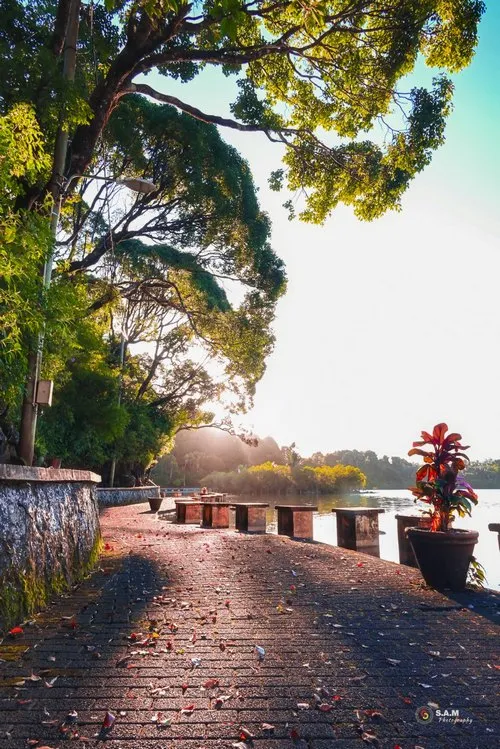
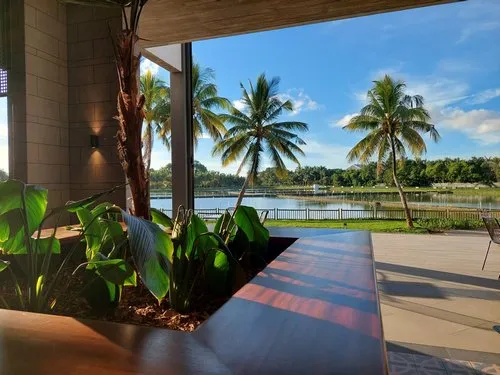
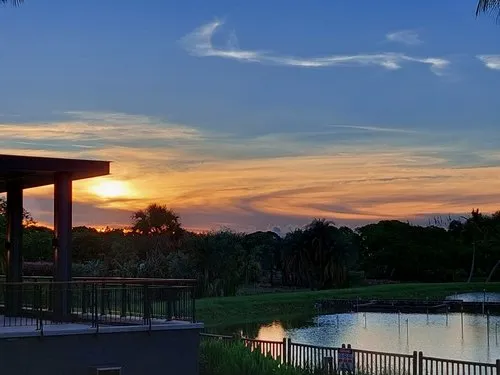
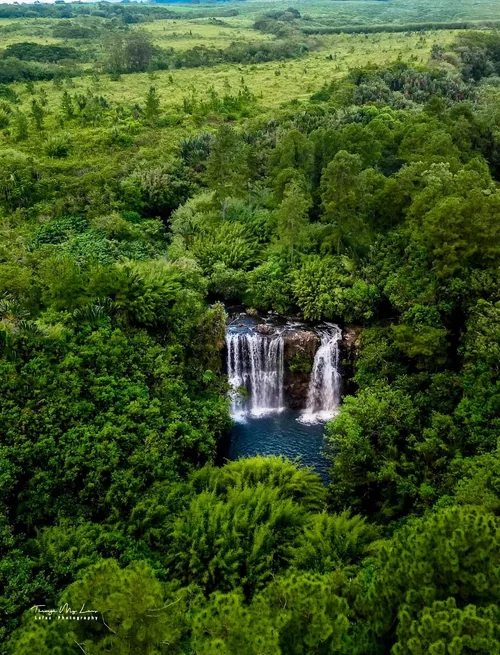
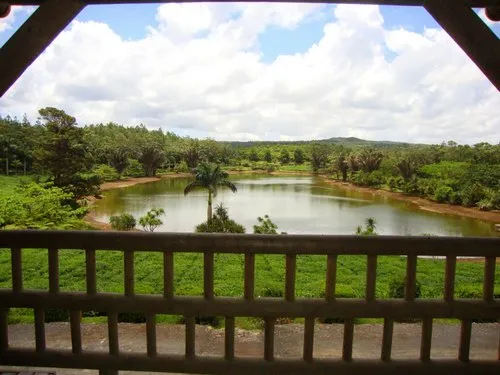
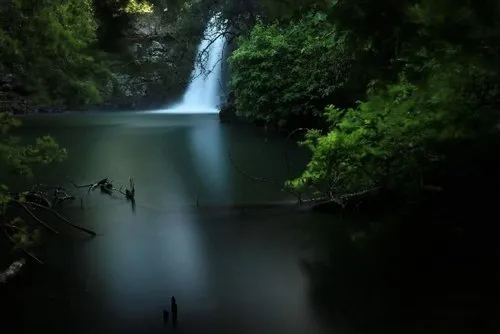
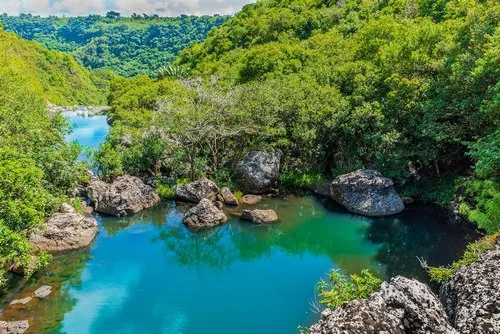
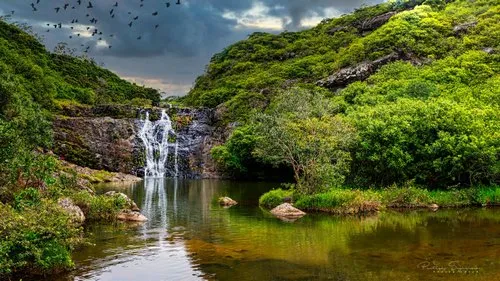
Browse lake photos from Mauritius, including sacred crater lakes, reservoirs, dams, mountain water views, forest reflections, inland landscapes and peaceful freshwater scenes captured by Explora photographers.
Read more about lakes in Mauritius
About Lakes of Mauritius
Mauritius is not a country of huge natural lakes. It is a volcanic island with rivers, ravines, wetlands, reservoirs, dams and a few crater lakes that often carry more meaning than their size suggests. So when we talk about lakes in Mauritius, we are really talking about several kinds of inland water bodies: sacred lakes, volcanic crater lakes, water-supply reservoirs and quiet places where water, forest, mountains and sky meet.
These lake and reservoir landscapes show a very different side of Mauritius. No beach towel, no turquoise lagoon, no hotel pool. Just still water, clouds, trees, hills, birds, mist, and sometimes a road that suddenly opens onto a view you were not expecting.
Natural and Sacred Lakes in Mauritius
The best-known natural and sacred lakes in Mauritius include Grand Bassin, also known as Ganga Talao, and Bassin Blanc. These places are not only inland water bodies. They are also connected with volcanic landscapes, highland weather, religious life, forest scenery and quiet photography.
Grand Bassin and Ganga Talao
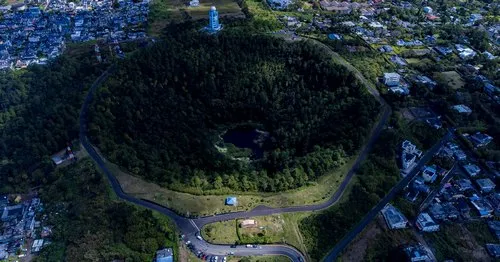
Grand Bassin, also known as Ganga Talao, is the most famous lake in Mauritius. It is a sacred crater lake found in the highlands of Savanne and is one of the most important Hindu pilgrimage sites on the island.
The lake is surrounded by temples, shrines and statues, including the large Shiva statue that welcomes visitors near the entrance. During Maha Shivaratri, thousands of devotees walk to Grand Bassin from different parts of Mauritius to pray, make offerings and collect sacred water. It is not only a scenic place. It is a place of faith, memory and devotion.
For photographers, Grand Bassin offers several kinds of images: lake reflections, temple colours, religious statues, misty mountain light, monkeys around the trees, pilgrims during festival periods and quiet moments around the water. It is beautiful, but it should also be photographed with respect.
Bassin Blanc
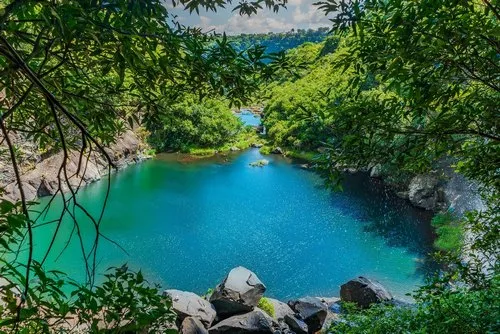
Bassin Blanc is another volcanic lake often mentioned among the crater landscapes of Mauritius. It is found in the south, in a greener and more mysterious setting, and is usually quieter than Grand Bassin. The atmosphere can feel cool, misty and slightly hidden, especially when clouds settle over the highlands.
Unlike the more visited tourist sites, Bassin Blanc has a more discreet character. It is the kind of place that suits photographers who like mood rather than spectacle: still water, forest, volcanic slopes, soft light and silence. Not everything in Mauritius needs to shout. Some places whisper.
Main Reservoirs and Dams in Mauritius
The main reservoirs and dams in Mauritius include Mare aux Vacoas, La Nicolière, Piton du Milieu, La Ferme, Midlands Dam, Bagatelle Dam and Mare Longue. These places are important for water storage, irrigation, daily water supply and inland scenery.
For visitors, reservoirs may not sound as romantic as lakes, but they can be very photogenic. Still water, cloudy skies, forest edges, mountain views, dam structures and changing water levels all create a quieter, more atmospheric side of Mauritius.
Mare aux Vacoas Reservoir
Mare aux Vacoas is the largest reservoir in Mauritius and one of the island’s most important freshwater storage areas. It is located in the central highlands, south of Curepipe, and plays a major role in potable water supply.
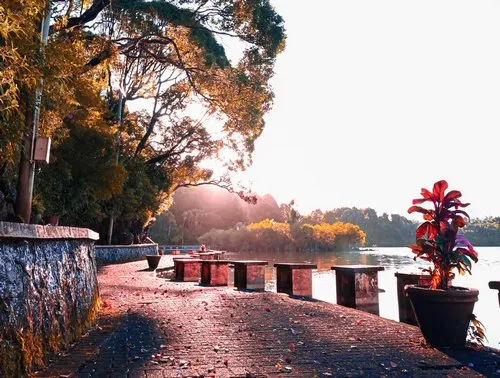
The landscape around Mare aux Vacoas can be surprisingly atmospheric. The weather is often cooler and cloudier than on the coast, and the water level, tree lines, mist and open sky can change the mood quickly. On some days, it looks almost calm and northern-European. Then a tropical cloud reminds you where you are.
La Nicolière Reservoir
La Nicolière Reservoir is found in the north-east of Mauritius and is one of the island’s main reservoirs. It is surrounded by a more rural landscape, with hills, roads, fields and open views that are very different from the beaches nearby.
For photography, La Nicolière is useful because of its wider landscape feeling. The reservoir, surrounding slopes, passing clouds and rural roads can create calm inland scenes. It is also a good reminder that the north of Mauritius is not only Grand Bay and beaches. Inland, the mood changes quickly.
Piton du Milieu Reservoir
Piton du Milieu Reservoir is located in the district of Moka and supplies water to parts of the eastern side of Mauritius. It is one of those places many people may know by name because of water-level reports, but not always as a photo location.
The scenery around Piton du Milieu is quiet and green, with water, hills and rural surroundings. It can work well for landscape photography, especially when the sky is dramatic or the water reflects the clouds.
La Ferme Reservoir
La Ferme Reservoir is located near Bambous in the Black River district. It is mainly linked with irrigation and water storage, and its setting gives it a different character from the cooler highland reservoirs.
Because it lies closer to the west, La Ferme can feel warmer, drier and more open depending on the season. The surrounding landscape may include fields, roads, dry vegetation, hills and wide skies. It is less famous than Grand Bassin or Mare aux Vacoas, but it still forms part of the island’s freshwater story.
Midlands Dam
Midlands Dam is one of the major modern reservoirs of Mauritius. It was built to support water supply and irrigation needs, especially by working as a buffer reservoir linked to the wider water distribution system.
The Midlands area is interesting visually because of its open inland scenery. The reservoir, dam structure, surrounding hills and roads can create strong landscape compositions, particularly from viewpoints or aerial angles.
Bagatelle Dam
Bagatelle Dam is one of the more recent major dams in Mauritius. It was built to help meet water demand in Port Louis and the lower Plaines Wilhems region, including areas such as Beau Bassin, Rose Hill, Quatre Bornes, Stanley and Coromandel.
Unlike older reservoirs hidden deeper in rural landscapes, Bagatelle feels more connected to modern infrastructure and urban water needs. It shows how Mauritius continues to adapt its water storage systems as population, development and climate pressures change.
Mare Longue Reservoir
Mare Longue Reservoir is found in the highlands and is surrounded by forested scenery. It is one of the reservoirs that can feel especially atmospheric because of the cool climate, nearby vegetation and changing mountain weather.
For nature photography, Mare Longue and the surrounding areas can offer water reflections, mist, forest edges, clouds and quiet freshwater landscapes. It connects naturally with the greener inland side of Mauritius.
Lakes, Reservoirs and Water Supply
Reservoirs in Mauritius are not just pretty inland water scenes. They are part of the island’s water supply system. Rainfall, catchments, feeder canals, rivers and dams all work together to store and distribute water for homes, agriculture, industry and daily life.
This matters because Mauritius has wet and dry periods, and water levels can change a lot. A reservoir that looks full and peaceful after rain may look very different during a dry season. These changes can be interesting for photography, but they also remind us how important water management is on a small island.
Lakes, Rivers and Waterfalls
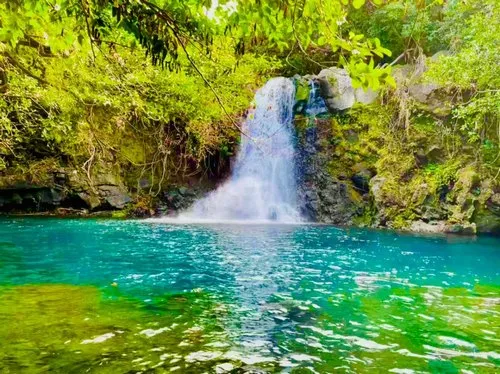
The lake and reservoir landscapes of Mauritius are closely connected to rivers of Mauritius, dams, feeder canals and waterfalls of Mauritius. Some reservoirs collect water from rivers or catchments, while some inland water bodies sit near forested areas, ravines and mountain slopes.
For visitors, this is why a freshwater photography trip can be interesting. You can start with a reservoir, continue towards a river valley, stop at a waterfall, then end up on a forest road with mist in the trees. Mauritius is small, but the inland landscape has many layers.
Lake Landscapes and Nature
Lakes and reservoirs attract birds, plants, insects and other small signs of life. Around quiet water, you may see reeds, trees, reflections, dragonflies, water birds and sometimes monkeys or bats in nearby forested areas.
These places are naturally linked with forests and nature parks in Mauritius, especially in the highlands and south-west. They may not always be developed as tourist attractions, but they can still be valuable for nature photography.
Birds Around Lakes and Reservoirs
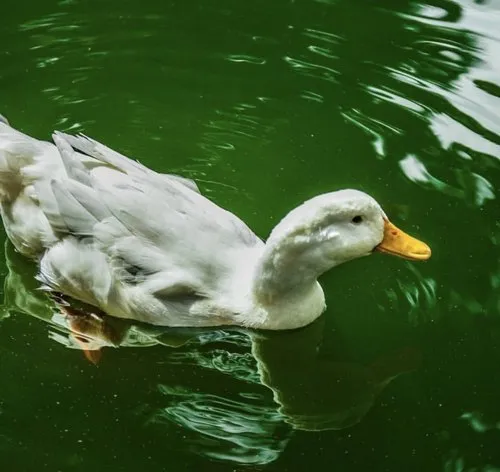
Freshwater areas can be good places to observe birds living around lakes and wetlands in Mauritius. Depending on the location and season, you may see herons, moorhens, ducks, small wetland birds or birds moving between nearby forest and open water.
Bird photography around lakes needs patience. The best moments are often quiet ones: a bird crossing the water, a reflection near the reeds, a silhouette against cloudy light. Nothing dramatic, perhaps, but very peaceful.
Mountain Water Views
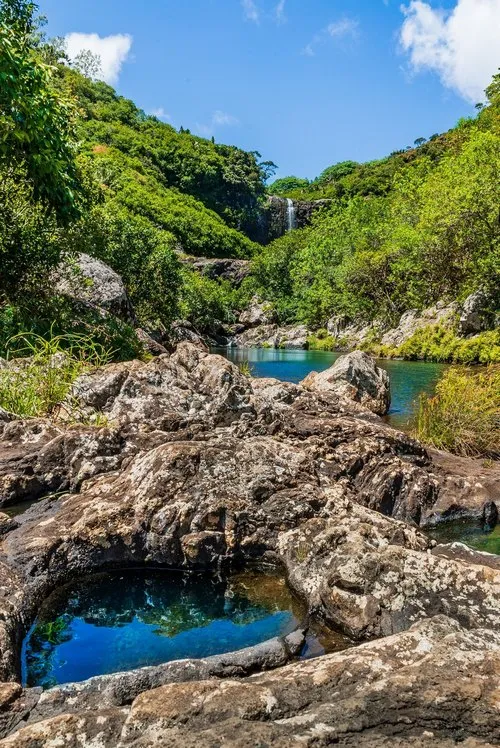
Many of the most beautiful lake and reservoir views in Mauritius happen where water meets the mountain landscapes of Mauritius. Still water below, dark ridges above, clouds moving across the highlands — simple, but powerful.
These views are especially strong around the central plateau, Savanne highlands, Black River Gorges region and other inland areas. On cloudy days, the mood can become even better for photography. Sunshine is nice, but mist gives character.
Notable Lakes and Reservoirs in Mauritius
Notable lakes, crater lakes and reservoirs in Mauritius include Grand Bassin or Ganga Talao, Bassin Blanc, Mare aux Vacoas, La Nicolière, Piton du Milieu, La Ferme, Midlands Dam, Bagatelle Dam and Mare Longue. Smaller ponds, marshes, private lakes and local water bodies also exist, but they are not always public attractions or easy to access.
This list should be seen as a useful visitor and photography-oriented guide, not as a complete hydrological inventory of every pond, dam or water body on the island.
Photography of Lakes in Mauritius
Lake photography in Mauritius works best when you look for mood. Reflections, mist, clouds, trees, mountain silhouettes, old roads, birds and quiet water can all make strong images. The scene may not be colourful in the beach-lagoon way, but it can be more subtle and peaceful.
Early morning is often the best time for calm water and mist. Late afternoon can add warmer light. Cloudy weather can also be excellent, especially at highland lakes and reservoirs where the sky and water seem to blend together.
Responsible Visiting and Access
Some reservoirs and dams are part of public water infrastructure, so visitors should respect signs, barriers and access rules. Not every water body is meant for swimming, fishing, drone flying or walking close to the edge.
At sacred places such as Grand Bassin, visitors should also be respectful of religious practices, especially during prayer times and festivals. Dress modestly around temples, avoid disturbing devotees, and do not treat religious ceremonies as simple photo props.
Visiting Tips
If you want to photograph lakes and reservoirs in Mauritius, bring a light jacket for the highlands, especially around Mare aux Vacoas, Grand Bassin and Bassin Blanc. The weather can be cooler and wetter than on the coast.
Use safe viewpoints, avoid walking into restricted reservoir areas, and be careful after rain because paths and rocks may be slippery. For the best photos, look for still water, reflections, mist, clouds and the quiet details around the shoreline. Mauritius is not only loud blue lagoons. Sometimes it is a grey lake under a soft sky, and that can be just as beautiful.
Lake Photos from Mauritius
Explore photos of lakes and reservoirs in Mauritius, from Grand Bassin and Bassin Blanc to Mare aux Vacoas, La Nicolière, Midlands Dam, mountain water views, forest reflections and peaceful inland landscapes.