Black & White Photography
Browse black and white photos from Mauritius, including dramatic landscapes, waves, clouds, portraits, coastal scenes, villages, mountains, architecture and timeless island moments captured by Explora photographers.
Read more about black and white photography in Mauritius
About Black and White Photography
Black and white photography removes colour, but it does not remove emotion. In many cases, it makes the image stronger. Without the distraction of bright blues, greens, reds or golden light, the eye starts to notice shape, contrast, texture, shadow, movement, expression and atmosphere.
In Mauritius, this can be especially interesting because the island is usually photographed in colour: turquoise lagoons, green mountains, blue skies, colourful markets and tropical sunsets. Black and white photography offers another way to see the same island. Less postcard, more mood. Less decoration, more story.
Why Black and White Works Well in Mauritius
Mauritius is full of strong visual contrasts: white sand and dark rocks, rough waves and soft clouds, bright roads and shaded villages, modern buildings and old walls, people walking under hard sun, mountains rising behind coastal plains. These contrasts can become more powerful in black and white.
Colour photography often celebrates the tropical beauty of Mauritius. Black and white photography can reveal the structure underneath that beauty. It can make a beach look lonely, a mountain look dramatic, a road look timeless, a fisherman look more expressive, or a cloudy sky feel heavier and more cinematic.
Advantages of Black and White Landscape Photography
Landscape photography in colour often depends heavily on light and colour balance. A beach may look beautiful because the lagoon is blue. A sunset may work because the sky is orange. A forest may rely on deep green tones. In black and white, the photo must stand on composition, contrast and mood instead.
This can be an advantage. A landscape that looks ordinary in colour can become powerful in black and white if it has strong lines, dramatic clouds, textured rocks, moving water, shadows, reflections or a clear subject.
Shape and Composition
Black and white photography makes shapes more visible. Mountains, coastlines, roads, waves, clouds, buildings, boats and trees become graphic elements. The viewer notices how the image is built, not only what colour it has.
In Mauritius, this works very well with mountain landscapes, coastal roads, cliffs, jetties, bridges, village streets and architectural details. A strong shape can carry the photo even when the sky is plain or the colours are not spectacular.
Light and Shadow
Black and white photos depend strongly on light and shadow. Harsh midday sun, which can be difficult in colour photography, can sometimes work beautifully in black and white because it creates strong contrast.
Old walls, palm shadows, church façades, market stalls, waves, rocks and people walking through sunlight can all become more dramatic when colour is removed. The shadow becomes part of the story, not a mistake to correct.
Texture and Detail
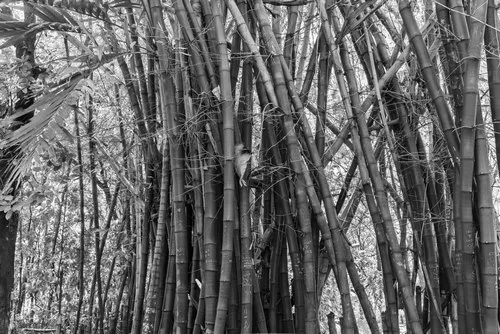
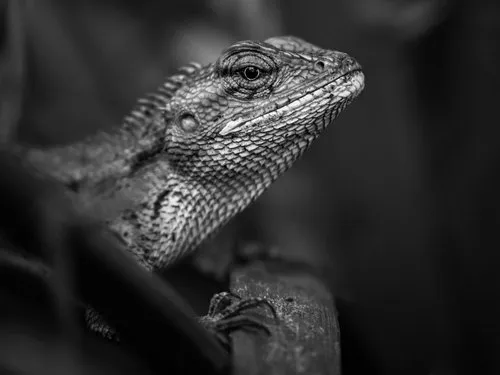
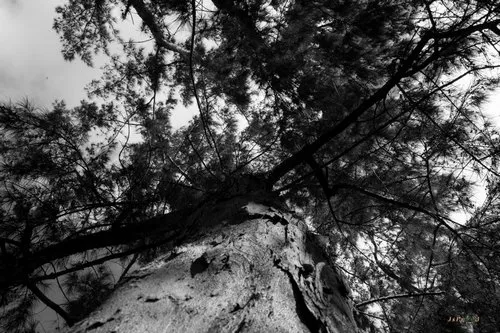
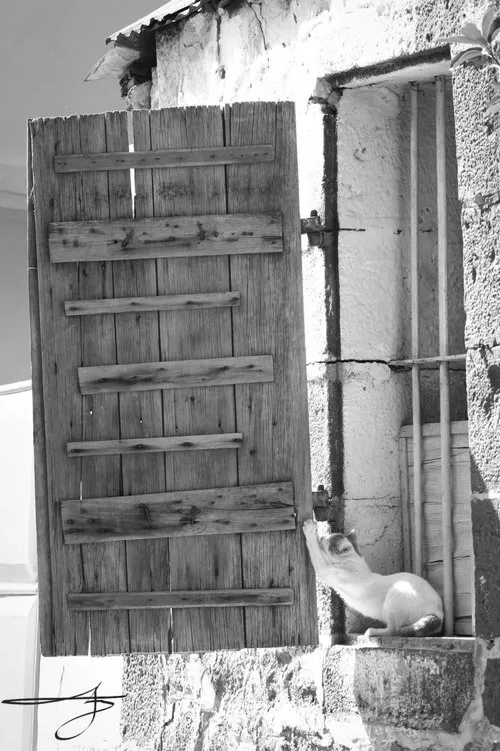
Black and white is excellent for showing texture. Rocks, tree bark, sand, clouds, old stone, weathered wood, fishing nets, boat ropes, coral-like patterns, rain clouds and rough sea surfaces can all become more noticeable.
This is useful in Mauritius because many landscapes have strong natural textures. The cliffs of Gris Gris, basalt rocks at Rochester Falls, old colonial buildings, sugarcane leaves, beach sand, waves and forest paths can all work well in monochrome.
Black and White for Storytelling
Black and white photography often feels more timeless than colour photography. It can make the viewer focus on the story rather than the scenery. A person walking along a beach, a fisherman beside his boat, a bus passing through a village, a child under an umbrella, or an old building in Port Louis can feel more meaningful when colour is removed.
In travel photography, this is useful because not every image needs to say “beautiful place”. Some images should say “this moment mattered”. Black and white helps with that.
People and Daily Life
Black and white can be very strong for photos of people. It draws attention to gestures, faces, posture, clothing, movement and relationships between people and place.
In Mauritius, it can work well for market scenes, fishermen, village roads, religious gatherings, street food, public beaches, bus stations, workers in sugarcane fields and quiet everyday moments. A black and white photo of a person can feel less like a tourist snapshot and more like a small story.
Black and White Portrait Photography in Mauritius
If you are looking specifically for black and white portrait photography in Mauritius, you can also discover the work of Boudoir Studio. While Explora focuses mainly on landscapes, places, travel scenes and visual discovery of Mauritius, Boudoir Studio offers a more personal approach to portrait photography, including elegant black and white portraits, studio photography and artistic photo sessions.
Black and white portrait photography is especially powerful when the goal is to highlight expression, confidence, emotion, light and shadow. Without colour, the attention moves directly to the person, the mood and the story behind the image.
Old Villages and Streets
Villages and towns of Mauritius can look very interesting in black and white. Old houses, narrow roads, shop signs, churches, walls, parked vehicles, bicycles and people walking through town all gain a documentary feeling.
Colour sometimes makes a village scene look busy. Black and white can simplify it, making the viewer focus on lines, signs, doors, shadows and human movement.
Architecture and Heritage
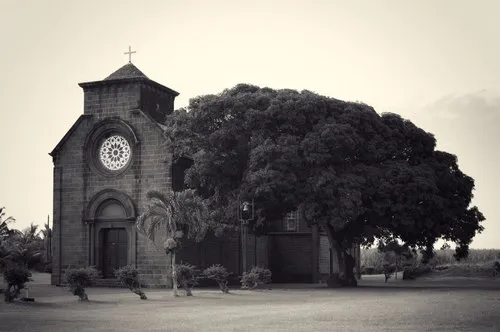
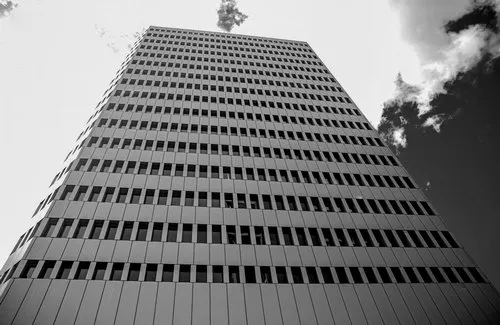
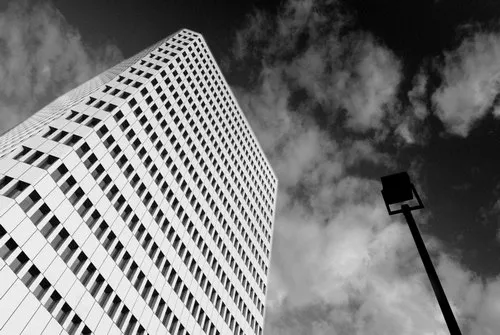
Black and white photography is also useful for old buildings, colonial houses, churches, bridges, lighthouses, ruins and urban details. It can give architecture a more timeless and serious appearance.
In places such as Port Louis, Mahebourg, Souillac, Albion, Cap Malheureux or old sugar estate areas, black and white can help highlight structure, age, stonework, symmetry and atmosphere.
Dramatic Black and White Landscapes
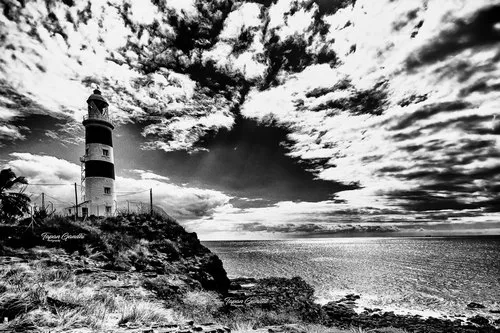
Some subjects become especially powerful in black and white because they already contain drama: waves, storms, clouds, cliffs, mountains, empty roads, silhouettes and rough sea views. Mauritius has plenty of these, especially outside the calm postcard version of the island.
Waves and Wild Coasts
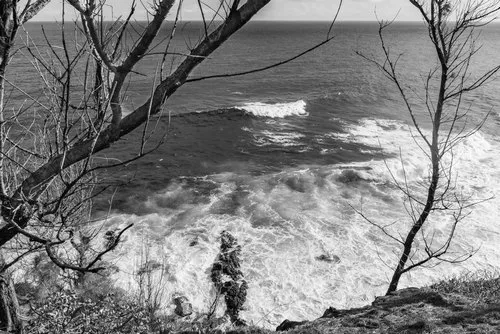
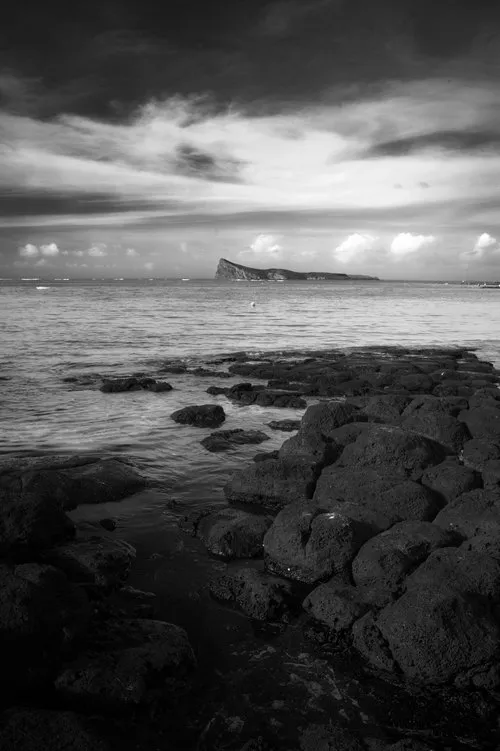
Black and white is excellent for waves. It can show movement, foam, spray, power and rhythm without relying on sea colour. This works especially well on wild coastlines such as Gris Gris, Souillac, Le Souffleur, Macondé, Albion cliffs and other rocky coastal areas.
When waves crash against dark rocks, black and white can make the scene feel almost cinematic. The sea becomes texture and force, not only blue water.
Clouds and Tropical Weather
Weather and clouds in Mauritius are perfect subjects for black and white photography. Big clouds, approaching rain, cyclonic skies, mist over mountains and sunlight breaking through dark weather can all become more dramatic in monochrome.
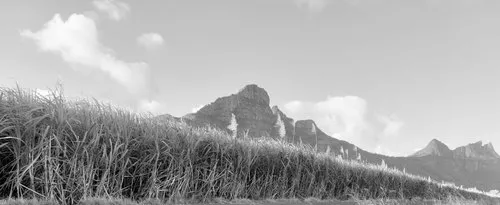
Clouds that look grey and flat in colour may become powerful when contrast is increased. A dark sky above a white beach, a mountain ridge or a road through sugarcane fields can create a strong mood.
Mountains and Silhouettes
Mountains often work beautifully in black and white because their shape is more important than their colour. Le Morne, Le Pouce, Pieter Both, Corps de Garde, Lion Mountain and the ridges around Black River Gorges can all become strong monochrome subjects.
Silhouettes are especially effective. A mountain against a pale sky, a person walking on a beach, a boat in the lagoon or a palm tree in strong light can create a simple but memorable image.
Beaches Without Colour
It may seem strange to photograph beaches in Mauritius in black and white, because their colour is usually the main attraction. But this is exactly why it can be interesting.
Without turquoise water, the beach becomes about patterns: footprints in sand, waves reaching shore, clouds, silhouettes, boats, trees, rocks and people. Black and white can make a beach look quieter, more poetic or more dramatic than the usual bright tropical image.
Black and White Photo Subjects in Mauritius
Many subjects in Mauritius can work well in black and white. The best ones usually have strong contrast, texture, shape, movement or emotion.
Best Subjects for Black and White Photography
Good black and white subjects in Mauritius include waves, clouds, mountains, beaches, boats, fishermen, old buildings, churches, bridges, lighthouses, village streets, market scenes, portraits, sugarcane fields, roads, waterfalls, forest paths and dramatic skies.
These subjects do not all need perfect weather. In fact, black and white often works better when the weather is less perfect. Clouds, rain, mist, rough sea and strong shadows can all make the image more interesting.
Boats and Fishing Scenes
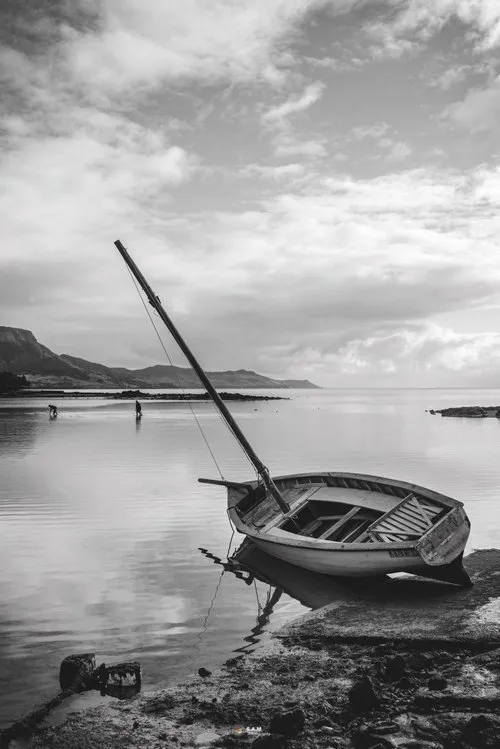
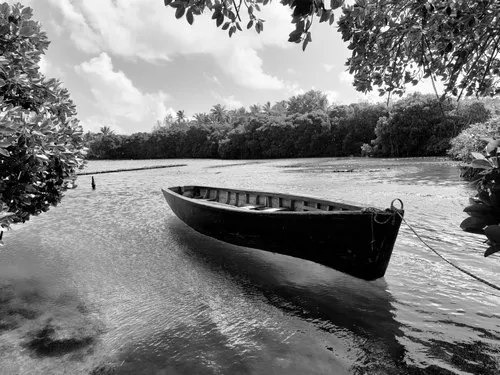
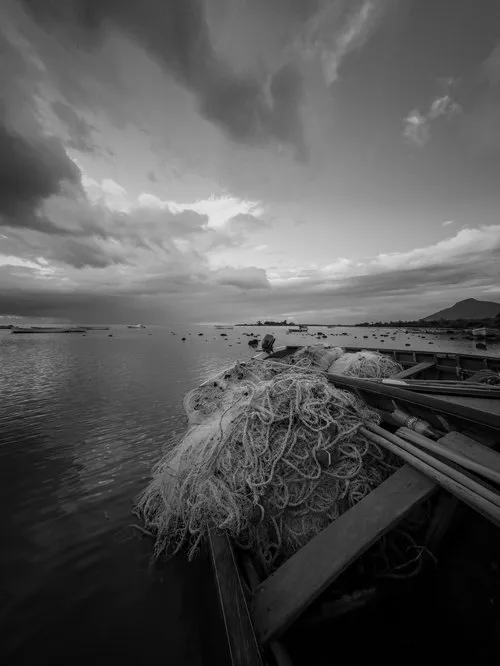
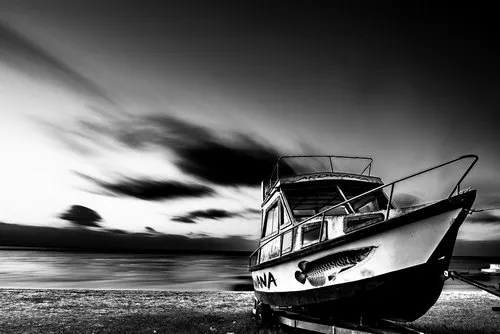
Boats in Mauritius can become very graphic in black and white. A pirogue on calm water, fishing ropes, a boat silhouette at sunrise, or fishermen preparing nets can make a strong and simple image.
Black and white removes the lagoon colour and makes the viewer notice the boat shape, reflection, rope lines, human activity and quiet atmosphere.
Roads and Travel Scenes
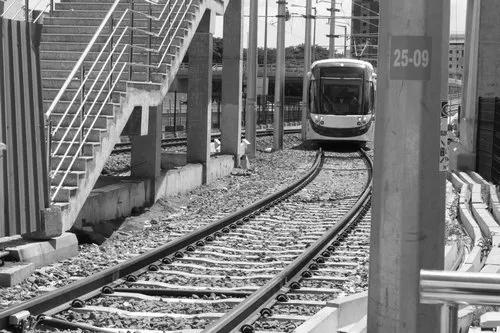
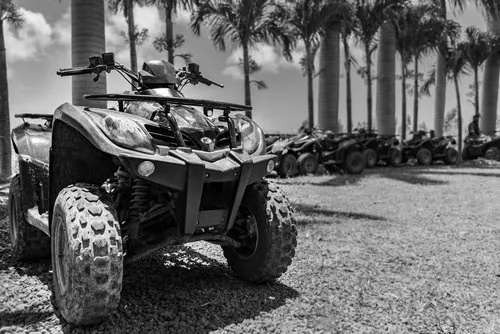
Roads, buses, scooters, cane trucks and pedestrians can all work well in black and white. These subjects show movement and everyday life, especially in towns, villages and rural areas.
A road disappearing into mist, a bus under dark clouds, a scooter near an old wall, or a cane truck crossing a field can feel more documentary in black and white than in colour.
When to Choose Black and White Instead of Colour
Black and white is not better than colour in every situation. It works best when colour is not the main reason the photo is interesting. If the image depends entirely on a turquoise lagoon, a red flower or a golden sunset, colour may be the better choice.
Choose black and white when the image has strong contrast, clear shapes, interesting shadows, texture, emotion, movement or atmosphere. A photo should not become black and white only to look artistic. It should become black and white because the story becomes stronger that way.
Black and White Photography Tips
When taking black and white photos, think first about light and contrast. Look for dark against light, rough against smooth, human figures against open space, clouds against sky, waves against rocks, or buildings against shadow.
Simple compositions often work best. Too many colours can make a colour photo confusing, but too many grey tones can do the same in black and white. A strong subject and clean composition will usually work better.
Use Contrast Carefully
Contrast gives black and white photos their power, but too much contrast can destroy detail. Keep enough texture in clouds, shadows, skin, rocks and water so the image does not become harsh for no reason.
Dramatic does not mean crushed blacks and burnt whites everywhere. Sometimes a softer black and white image tells the story better.
Look for Leading Lines
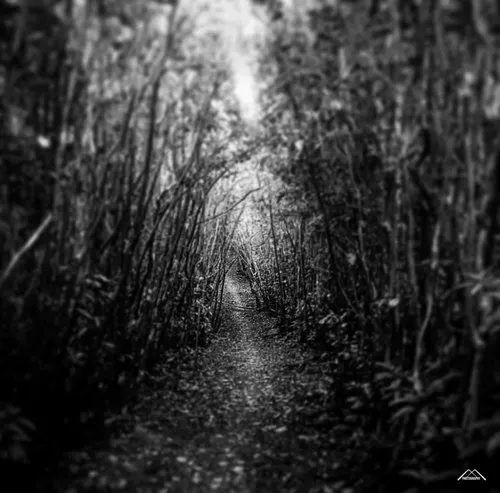
Roads, jetties, bridges, waves, fences, boat ropes, rows of sugarcane and building edges can all create leading lines in black and white photography. These lines guide the viewer through the image.
In Mauritius, this works especially well with coastal roads, jetties, beach footprints, bridge crossings, village streets and paths through forests or sugarcane fields.
Include People for Scale and Emotion
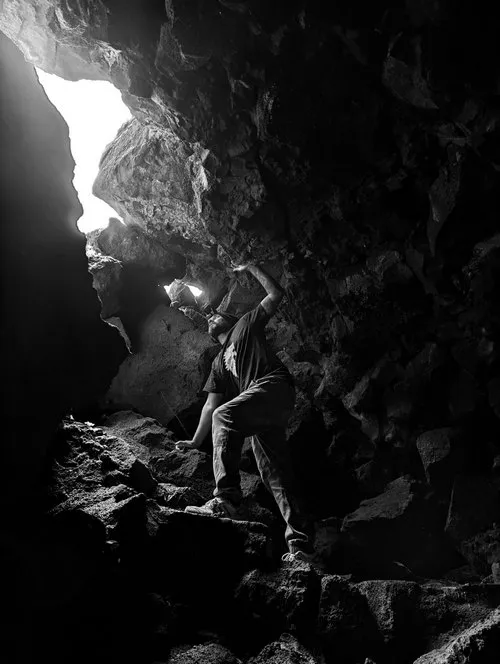
A person in a black and white landscape can add scale, emotion and story. A lone figure on a beach, a fisherman near a boat, someone walking under clouds, or a worker in a field can make the photo more human.
The person does not always need to face the camera. Often, a silhouette or small figure in the landscape works better because it lets the viewer imagine the story.
Editing Black and White Photos
Good black and white editing is not only about removing colour. It is about controlling contrast, brightness, shadows, highlights, texture and tonal balance.
When editing, pay attention to the sky, water, skin tones, clouds and dark areas. A black and white photo should still have depth. The best monochrome images usually contain a range of tones, from deep shadows to soft greys and clean highlights.
Colour Filters and Tonal Control
Even after converting to black and white, the original colours still matter. Blues, greens, reds and yellows can be made lighter or darker during editing, which changes how the final photo feels.
For example, darkening the blue sky can make clouds stand out. Lightening green foliage can make forest scenes softer. Adjusting warm tones can affect skin, sand and old walls. Small changes can completely change the mood.
Avoid Overediting
Black and white photos can easily become overprocessed. Too much clarity, too much sharpness or too much contrast can make the image look unnatural.
A strong black and white photo should feel intentional, not forced. If the scene already has mood, you do not need to shout with the edit.
Black and White Photography and Storytelling
The real strength of black and white photography is storytelling. It can make a simple moment feel more timeless, more serious or more emotional. A cloudy beach, a wet road, a fisherman, a church wall, a wave, a mountain silhouette or a quiet village scene can all gain depth when colour is removed.
For a Mauritius photo collection, black and white images can balance the bright tropical colours of the island. They show another face of the country: poetic, dramatic, human, sometimes nostalgic, sometimes powerful. Not every island story needs to be blue and green.
Visiting and Photography Tips
If you want to create strong black and white photos in Mauritius, look for changing weather, rough seas, clouds, shadows, old buildings, people, roads, villages, boats and mountains. These subjects often work better than perfectly bright midday beach scenes.
Try photographing the same place in colour and black and white, then compare the result. If the colour is doing all the work, keep the colour version. If the light, shape, texture or emotion is stronger without colour, black and white may be the better choice.
Black and White Photos from Mauritius
Explore black and white photos from Mauritius, from dramatic waves, clouds and mountain silhouettes to beaches, villages, boats, portraits, architecture, roads and timeless island landscapes.