Jetties in Mauritius
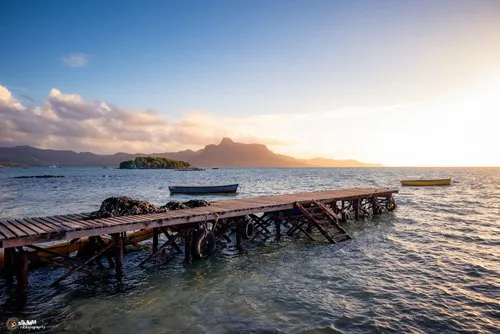
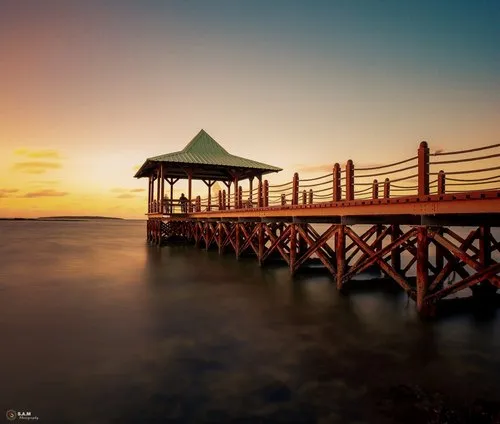
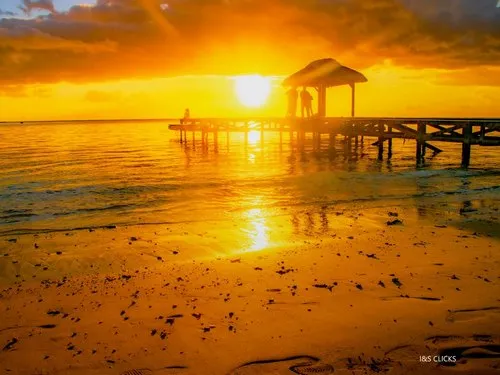
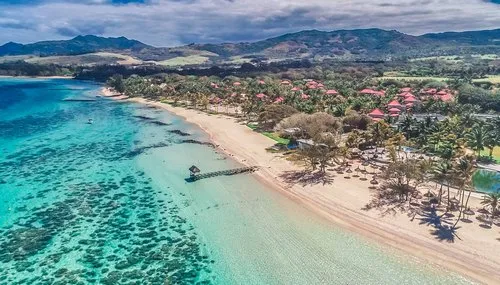
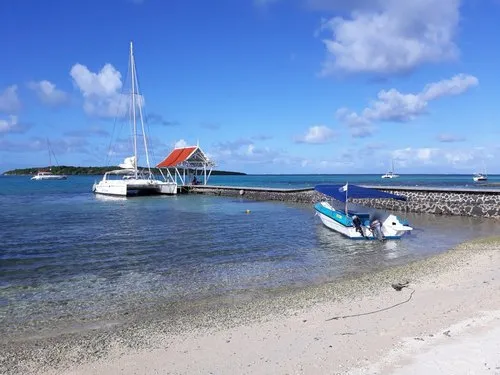
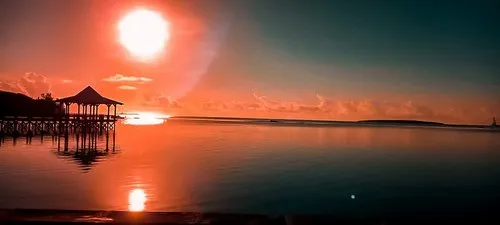
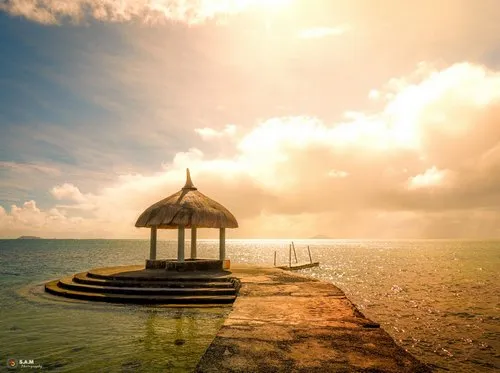
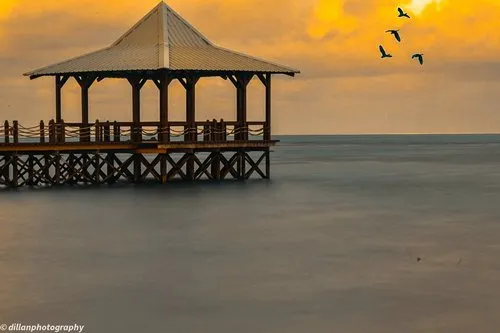
Browse jetty photos from Mauritius, including stone jetties, wooden piers, boat landings, fishing spots, coastal viewpoints, lagoon crossings and peaceful seaside structures captured by Explora photographers.
Read more about jetties in Mauritius
About Jetties in Mauritius
Jetties in Mauritius are small but very photogenic parts of the coast. Some are simple stone structures used by fishermen. Some are wooden or concrete piers near hotels, boat houses or public beaches. Others are old landing points, quiet viewpoints, or practical places where boats come and go every day.
They may not be as famous as beaches, mountains or waterfalls, but jetties often give a photo more structure. A line going into the lagoon, a boat tied at the end, reflections in calm water, fishermen preparing gear, sunset light on wooden planks — simple elements, but they can make a strong image.
Jetties and Coastal Life in Mauritius
Mauritius is surrounded by lagoons, reefs, fishing villages and boat departure points, so jetties naturally form part of the coastal landscape. They help people reach boats, unload fishing gear, start excursions, cross shallow water or simply stand closer to the sea.
In some places, a jetty is mainly practical. In others, it becomes a viewpoint, a photo spot or a quiet place to watch the lagoon. That is often the beauty of them. They are not always built to impress, but they still create atmosphere.
Fishing Jetties
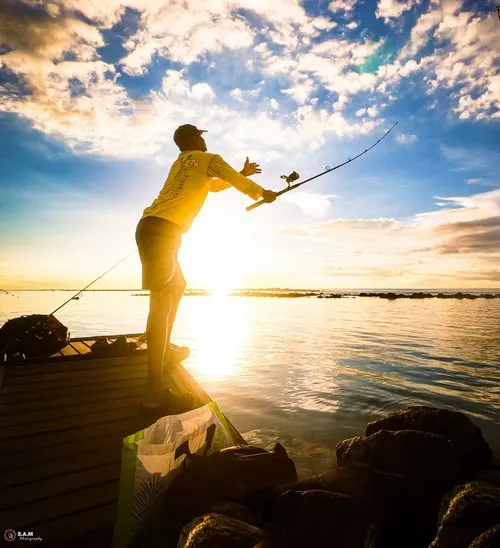
Many jetties are linked to fishing. Around coastal villages, you may see fishermen preparing nets, tying boats, carrying equipment or returning from the sea. These scenes can be more meaningful than a clean empty beach, because they show the working side of island life.
For photographers, fishing jetties are especially useful in the morning. Boats may be still, the light is softer, and there is often more local activity near the water. A rope, a bucket, a pirogue, a fisherman walking along the jetty — small details, but very Mauritian.
Boat Landings and Lagoon Departures
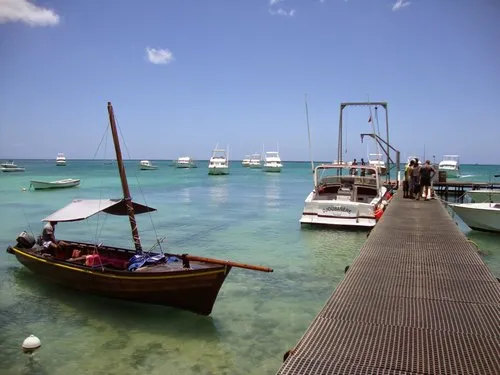
Jetties are also important for boats and lagoon excursions. In places such as Grand Bay, Trou d’Eau Douce, Blue Bay, Mahebourg and other coastal areas, boat landings are used for transfers, island trips, glass-bottom boats, catamarans, fishing boats and private excursions.
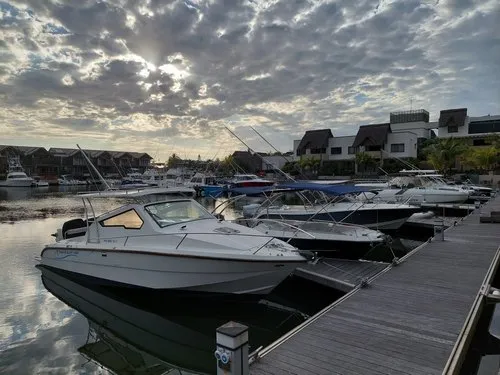
These departure points can be busy during the day, especially in tourist areas. But early morning or late afternoon often gives a quieter view: boats waiting in the lagoon, ropes pulled tight, reflections near the jetty and the coast slowly waking up or calming down.
Stone Jetties
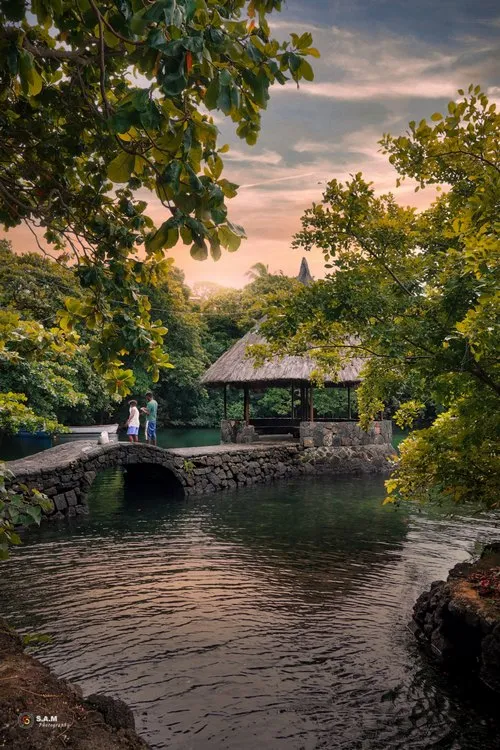
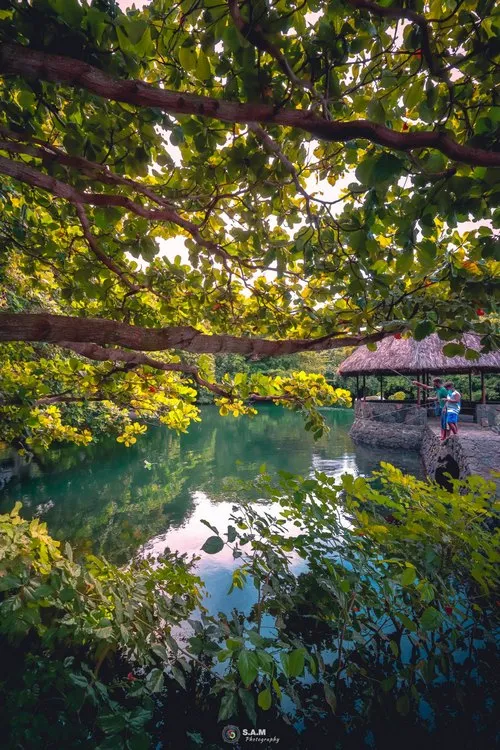
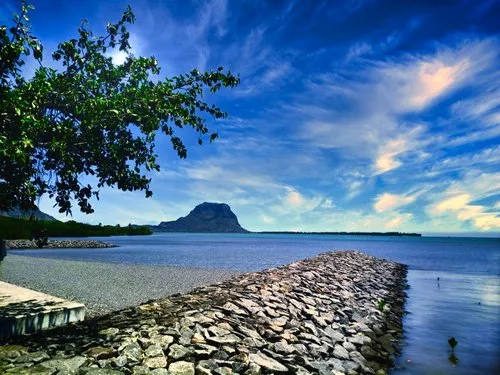
Stone jetties are among the most atmospheric structures along the Mauritian coast. They often look older, rougher and more connected to the landscape than modern piers. Some are found near river mouths, estuaries, old landing points or quieter coastal corners.
Stone, water and time work well together in photos. Moss, cracks, wet surfaces, seaweed, reflections and rough edges can give a simple jetty a lot of character. Not polished. Better than polished, sometimes.
Wooden Piers and Resort Jetties
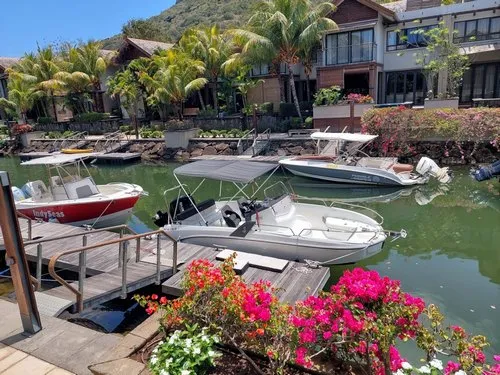
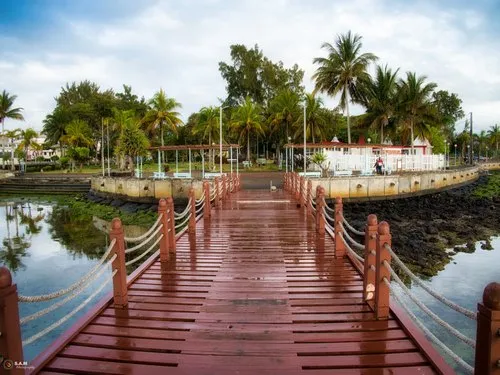
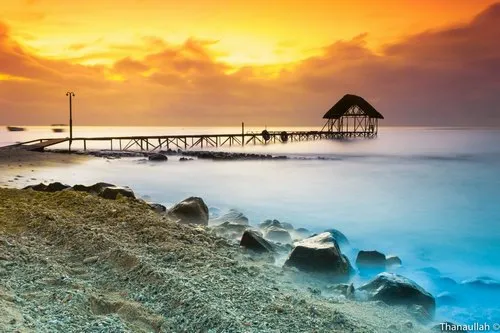
Some jetties and piers in Mauritius are found near hotels, villas, boat houses or private coastal properties. These can be very photogenic, especially when they stretch into a calm lagoon with clear water on both sides.
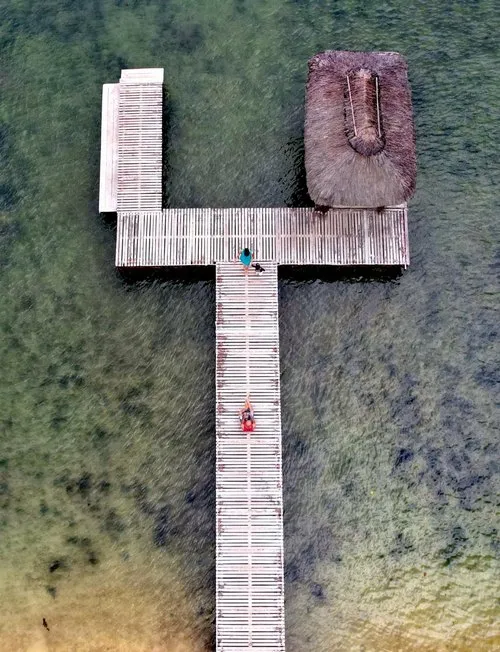
They are often used in travel photography because they create strong leading lines. A wooden walkway going into turquoise water almost does half the composition work for you. Almost. The rest still depends on light, timing and not dropping your camera into the sea.
Public Beach Jetties
Several public coastal areas have small jetties, boat ramps or landing points near beaches in Mauritius. These places are useful for swimming access, fishing, boat departures or simply enjoying the view.
Public beach jetties can be lively on weekends and holidays, especially when families, fishermen, swimmers and boat operators all use the same coastal space. This can make the scene busier, but also more interesting. A jetty with life around it often tells a better story than an empty one.
Jetties in Villages and Towns
Jetties are often closely linked with villages and towns of Mauritius. In coastal places such as Mahebourg, Grand Gaube, Grand Bay, Trou d’Eau Douce, Souillac, Black River and Le Morne, boat landings and small piers are part of daily movement.
They show how people use the sea: fishing, transport, leisure, tourism, food, work and family outings. A jetty can be a quiet place in the morning, a busy departure point at noon, and a sunset viewpoint in the evening. Same structure, different story.
Jetties and Sunsets
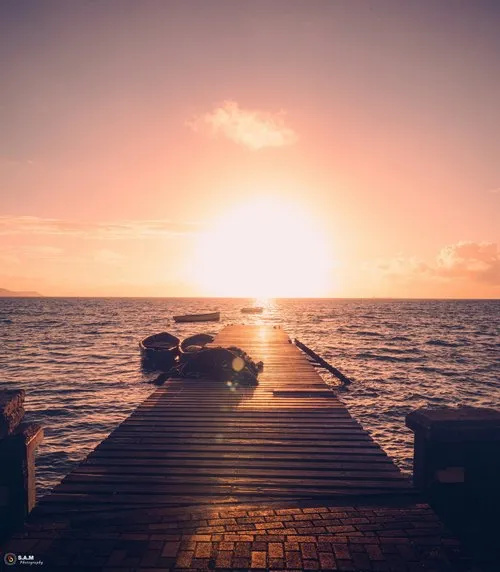
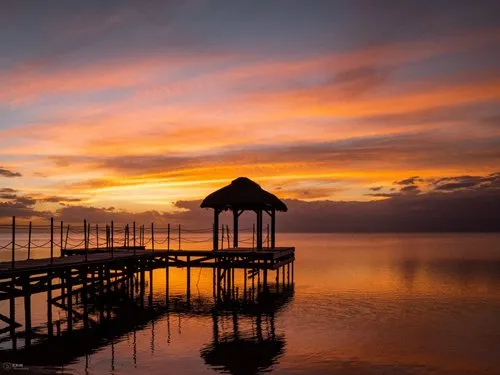
Jetties can be excellent subjects for sunset photography, especially on the west and north-west coasts. The straight line of the jetty, the reflection on the water and the silhouette of boats or people can create a strong composition.
Flic en Flac, Tamarin, Black River, Grand Bay, Trou aux Biches and other west-facing coastal areas can work well when the light is right. The trick is to arrive before the sun gets too low. Waiting until the sky is already beautiful is usually too late. Mauritius sunsets do not wait politely.
Jetties in Mahebourg and the South-East
The south-east of Mauritius has several coastal areas where jetties, boat landings and waterfront scenes are part of the landscape. Mahebourg, Blue Bay, Pointe d’Esny and Trou d’Eau Douce all have strong links with boats, lagoons and local coastal life.
Mahebourg in particular is interesting because of its waterfront, bay views, fishing atmosphere and historical character. A jetty photo there can feel very different from a resort pier in the north. Less polished, more local. That can be much better for storytelling.
Jetties in Blue Bay and Trou d’Eau Douce
Blue Bay and Trou d’Eau Douce are closely linked with boat trips, lagoon excursions and island visits. Blue Bay is known for its marine park and glass-bottom boat trips, while Trou d’Eau Douce is one of the main departure points for Ile aux Cerfs.
In these places, jetties and boat landings are part of the visitor experience. They are where the day begins: people waiting, boat engines starting, guides calling names, bags being passed across, and the lagoon opening ahead.
Jetties, Roads and Coastal Access
Some jetties are found at the end of small roads, near coastal access paths or beside old village routes. This makes them interesting for photos that combine roads, sea and local infrastructure.
A narrow road ending at the water, a boat ramp beside a village, or a stone jetty reached through trees can create a strong sense of place. The jetty becomes more than a structure. It becomes the point where land gives way to water.
Photography of Jetties in Mauritius
Jetties are excellent for photography because they create direction. The eye follows the line into the lagoon, towards a boat, a person, a sunset, a mountain or the horizon. That makes them useful even when the rest of the scene is simple.
Good jetty photos often use leading lines, reflections, foreground texture, clouds, people, boats or calm water. A low angle can make the jetty feel longer and more dramatic. A higher angle can show its shape against the lagoon. Both can work.
Best Time to Photograph Jetties
Early morning is often best for quiet jetty photos. The water may be calmer, the light softer, and fewer people are around. This works especially well for fishing jetties, boat landings and small village piers.
Late afternoon is better for warmer tones, silhouettes and sunset scenes. Cloudy weather can also be interesting, especially if the water is still and the sky has texture. Do not wait only for perfect blue sky. Jetties often look better with a little mood.
Safety and Access
Some jetties are public, some are private, and some may be linked to hotels, boat operators, fishing areas or restricted coastal access. Visitors should respect signs, private property and local users.
Jetties can also be slippery, especially when wet, covered with algae or exposed to sea spray. Be careful with waves, loose stones, boat ropes, moving boats and strong wind. A photo from the edge is not worth a fall into shallow rocks. Or worse, into someone’s boat.
Responsible Photography
When photographing jetties, remember that many of them are working spaces. Fishermen, boat operators and local residents may be using them for practical reasons, not for decoration in a travel photo.
Keep out of the way, do not block boat access, avoid photographing people too closely without permission, and do not leave litter behind. A jetty is often a shared place. Treat it like one.
Jetty Photos from Mauritius
Explore photos of jetties in Mauritius, from stone jetties and wooden piers to fishing boat landings, public beach viewpoints, lagoon departures, coastal village scenes and peaceful seaside structures around the island.