Weather & Clouds in Mauritius
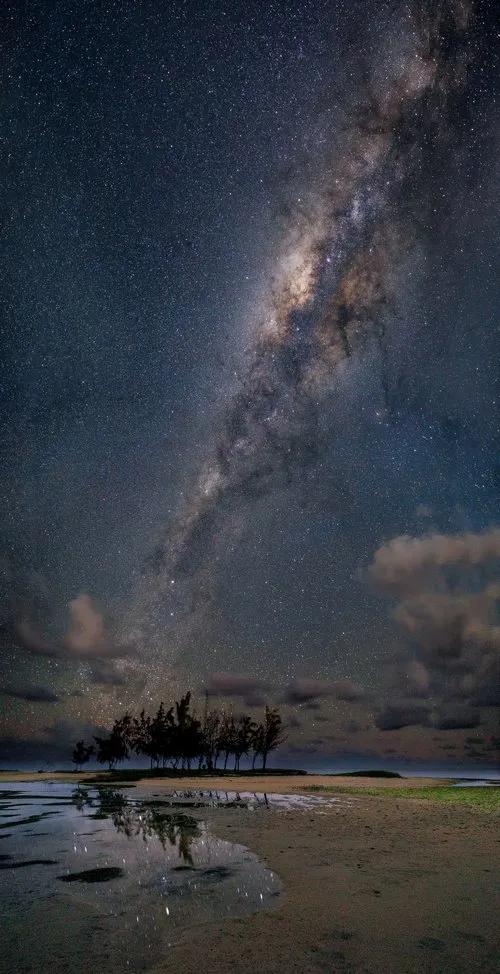
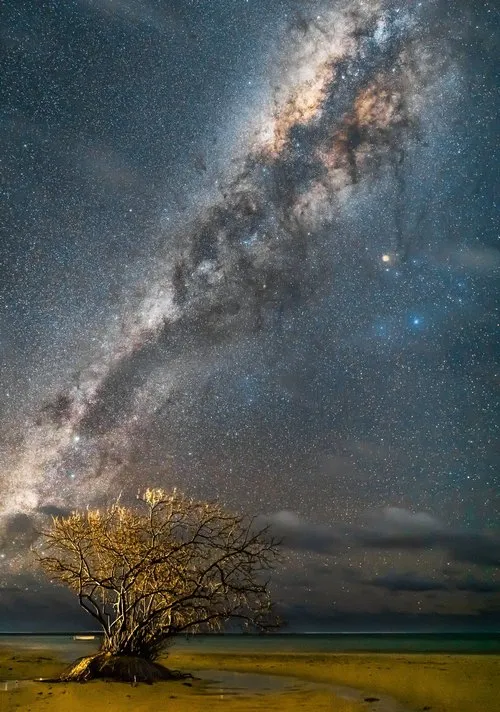
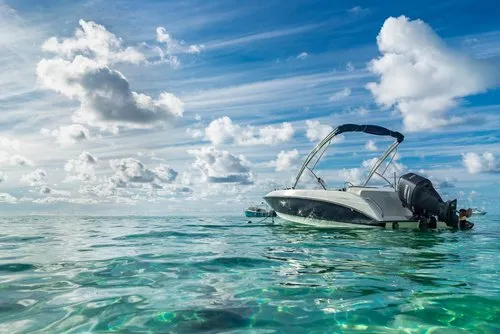
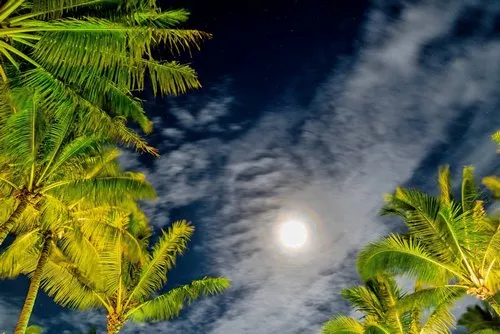
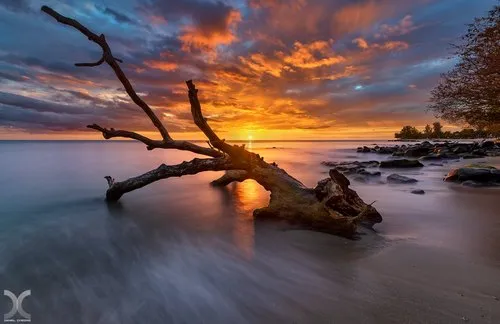
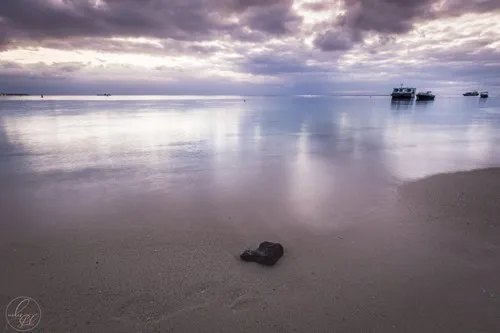
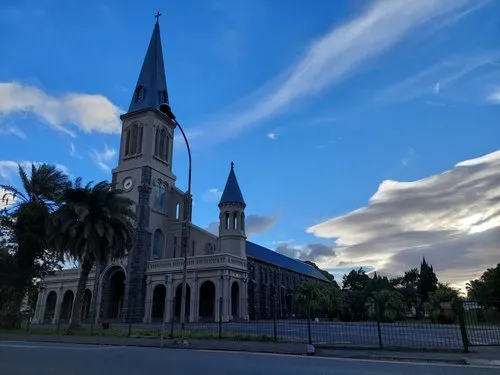
Browse weather and cloud photos from Mauritius, including tropical skies, dramatic clouds, sunny beach days, rainy mountain scenes, cyclonic weather, rainbows, sunsets, drought landscapes, trade-wind skies and changing island light captured by Explora photographers.
Read more about weather and clouds in Mauritius
About Weather and Clouds in Mauritius
Weather in Mauritius is part of the island’s personality. One minute the lagoon is bright blue, the next minute a dark cloud passes over the mountains, then the sun returns as if nothing happened. Is it frustrating? Sometimes. Is it beautiful for photography? Absolutely.
Mauritius has a mild tropical maritime climate, which means warm temperatures, sea breezes, humidity, trade winds, sunshine, showers and clouds that can change the mood of a landscape very quickly.
For photographers, weather and clouds are not only background elements. They shape the photo. A beach under a flat blue sky feels peaceful. The same beach under storm clouds feels dramatic. A mountain with low clouds feels mysterious. A sunset with scattered clouds can become unforgettable.
Climate and Weather: What Is the Difference?
Weather is what happens today: sun, rain, wind, clouds, heat, thunder or a passing shower. Climate is the long-term pattern of weather over many years.
So when we say Mauritius has a tropical climate, we are talking about the usual pattern. But when you visit a beach and it rains for ten minutes, that is weather doing its own little performance.
Weather in Mauritius All Year Long
Mauritius has two main seasons: a warm and humid summer from November to April, and a cooler, drier winter from June to September. May and October are usually transition months.
The temperature difference between seasons is not extreme. The Mauritius Meteorological Services gives a mean summer temperature of about 24.7°C and a mean winter temperature of about 20.4°C. January and February are usually the warmest months, while July and August are the coolest.
Rainfall is not evenly distributed during the year. Most rain falls during the summer months, with February and March usually among the wettest months. October is generally one of the driest months.
Summer Weather: November to April
Summer in Mauritius is warm, humid and more unstable. This is the season of stronger heat, heavier showers, thunderstorms, tropical lows and cyclones.
Does it rain every day in summer? Not necessarily. Some days are bright and beautiful. But summer clouds can grow quickly, especially over the central plateau and mountains. A sunny morning can become an afternoon shower, and a shower can clear again before sunset.
Summer is also a very photogenic season. The vegetation is greener, waterfalls may carry more water, clouds are more dramatic, and the light after rain can be beautiful.
November and December
November and December are warmer transition-to-summer months. Humidity rises, afternoon clouds become more frequent, and the island starts to feel more tropical and heavy.
December can bring beautiful skies, but also sudden showers. It is a good time for cloud photos, beach scenes, mountain mist and dramatic late-afternoon light.
January and February
January and February are usually among the hottest months in Mauritius. These months can feel humid, especially on still days before rain.
They are also part of the cyclone season, so visitors should pay attention to official weather bulletins. For photography, the skies can be spectacular, but safety always comes first.
March and April
March and April often remain warm, with showers and thunderstorms still possible. The atmosphere gradually becomes less intense as summer begins to fade.
These months can be excellent for photos of waterfalls, forests, rivers, gardens and green landscapes, especially after rain.
Winter Weather: June to September
Winter in Mauritius is cooler, drier and usually more comfortable for many visitors. It is not cold in the way Europe understands cold, but the central plateau can feel fresh, especially in the morning and evening.
Winter days are often pleasant, with lower humidity and clearer air. The east and south-east coasts can be windier because of the trade winds, while the west and north-west often feel warmer and drier.
June and July
June and July bring cooler air, stronger trade winds and more frequent passing showers over the east and central plateau.
This can create beautiful cloud movement over mountains and coastlines. For beach visitors, the west coast may feel more sheltered than the east during windy periods.
August and September
August is usually one of the coolest months, especially at night and on the central plateau. September begins to feel brighter and more comfortable as the island moves slowly toward spring.
For photography, winter is excellent for clear landscapes, mountain views, coastal clouds and windy sea scenes.
Transition Months: May and October
May and October are transition months. May often feels like the island is moving away from summer, with less humidity and more comfortable weather. October is usually drier and can feel warm before the return of summer rains.
These months are often pleasant for visitors because the weather can be balanced: not too humid, not too cool, and generally good for outdoor photography.
Temperature in Mauritius
Temperatures vary depending on the region. Coastal areas are usually warmer, while the central plateau is cooler and wetter. This is why a day can feel sunny and hot in Flic en Flac, but cloudy and fresh in Curepipe or Vacoas.
During summer, coastal daytime temperatures often feel hot and humid. During winter, coastal days are generally mild, while inland evenings can feel cool enough for a light jacket.
For visitors, this means one simple thing: do not judge the weather of the whole island from one location. Mauritius is small, but the weather still has moods.
Rainfall in Mauritius
Rainfall in Mauritius varies strongly by region. The central plateau and mountainous areas generally receive more rain than many coastal areas. The east and south-east can also be wetter and windier because of the trade winds.
Rain is not always bad for photography. After rain, leaves shine, roads reflect light, waterfalls become stronger, clouds open dramatically and the air often feels cleaner.
If you are photographing waterfalls in Mauritius, rainy periods can be useful. If you are planning a beach picnic, maybe less useful. Weather is generous, but not always according to our schedule.
Clouds in Mauritius
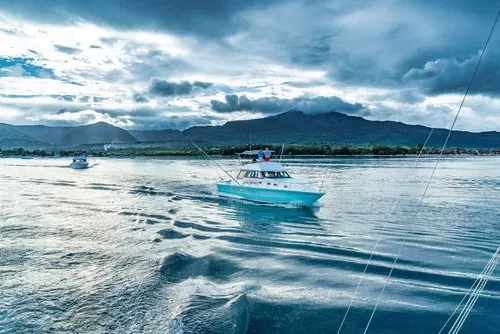
Clouds are one of the best visual subjects in Mauritius. They can build over mountains, stretch above lagoons, turn orange at sunset, become dark before rain or form soft layers over the central plateau.
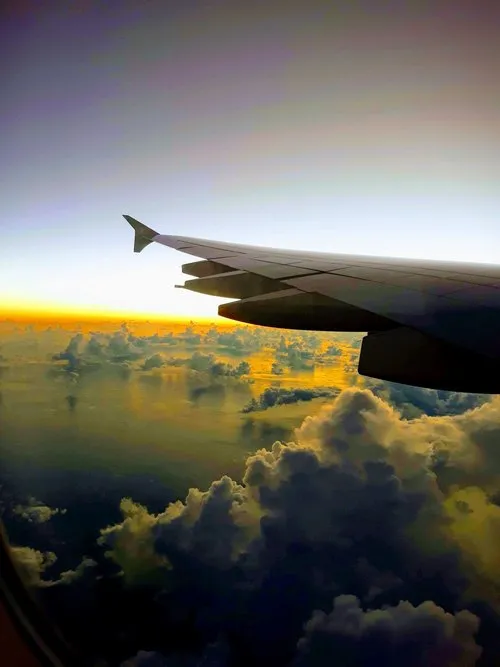
Common cloud scenes include small white cumulus clouds over the sea, darker cumulonimbus clouds during thunderstorms, high cirrus clouds before weather changes, and low grey clouds during winter showers.
Clouds are especially important in landscape photography because they prevent skies from looking empty. A plain blue sky is beautiful, but a sky with clouds often tells a better story.
Cumulus Clouds
Cumulus clouds are the white, cotton-like clouds often seen on sunny days. They are common over land and mountains, especially when warm air rises during the day.
They work beautifully in photos of beaches in Mauritius, sugarcane fields, villages, roads and mountain landscapes.
Cumulonimbus Clouds
Cumulonimbus clouds are thunderstorm clouds. They can grow very tall and bring heavy rain, lightning, gusty wind and dramatic skies.
These clouds are especially common during the warmer months. They can be spectacular, but they should be respected. If thunder is close, photography can wait.
High Clouds and Sunset Skies
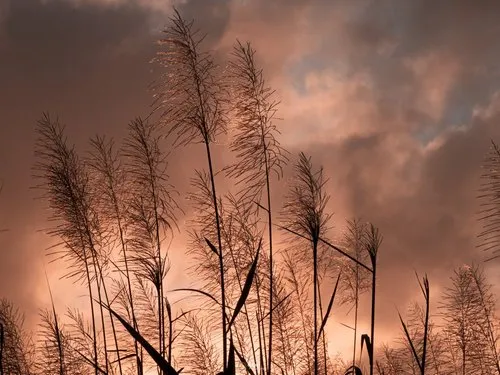
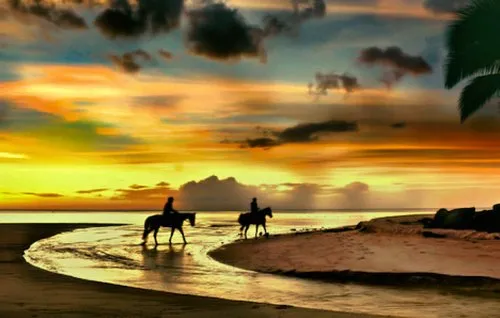
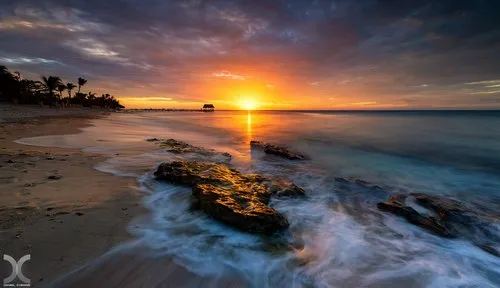
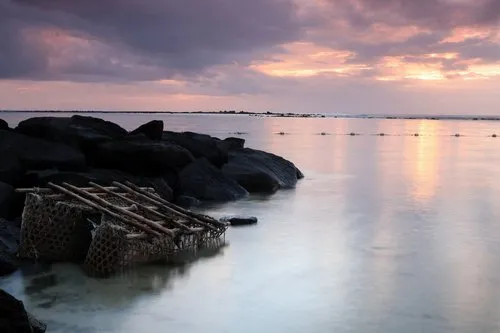
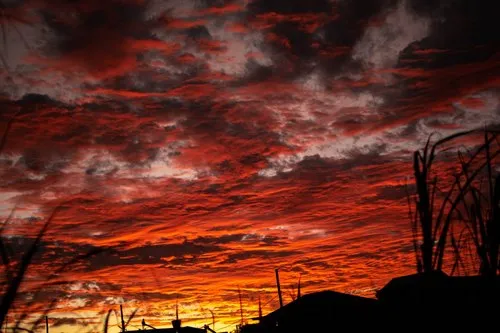
High clouds can create beautiful sunset colours. Thin clouds catch the light after the sun drops, turning pink, orange, red or purple.
This is why some of the best sunset photos in Mauritius happen when the sky is not empty. A few clouds can turn an ordinary sunset into a painting.
Cyclones in Mauritius
The official cyclone season in Mauritius runs from 1 November to 15 May. Not every cyclone directly hits the island, but tropical systems can bring strong winds, heavy rain, rough seas, flooding, falling branches and dangerous coastal conditions.
During cyclone season, it is important to follow official bulletins from the Mauritius Meteorological Services and the National Disaster Risk Reduction and Management Centre.
For photographers, cyclonic weather can create dramatic skies, rough seas and unusual light. But this is not a reason to take risks. During cyclone warnings, stay safe, avoid exposed coasts and do not go chasing waves.
Cyclone Warning Classes
Mauritius uses cyclone warning classes to help the public prepare. These warnings are issued when dangerous winds may affect the island.
Visitors should not wait until conditions look bad. Cyclones can change direction and intensity, and preparations should be made early when official warnings are issued.
Thunderstorms and Lightning
Thunderstorms in Mauritius occur mostly from December to April, although they can sometimes happen outside that period.
Thunderstorm clouds can be extremely photogenic, especially over mountains, cane fields or the sea. But lightning is dangerous. If you hear thunder, move to a safe place and avoid open areas, beaches, high ground, trees and water.
A dramatic photo is not worth being the tallest object in a field during a thunderstorm. That is not bravery; that is poor planning.
Drought and Dry Periods
Drought is also part of the weather and climate story of Mauritius. Dry spells can affect reservoirs, agriculture, gardens, rivers, waterfalls and water supply.
The Mauritius Meteorological Services notes a long-term decreasing trend in annual rainfall, an increase in consecutive dry days and a lengthening of the intermediate dry season. This makes drought and water management important issues for the island.
Dry weather can be visible in photos: yellow grass, lower river levels, weaker waterfalls, dusty roads, dry fields, stressed crops and reservoirs with exposed banks.
Heavy Rain and Flash Floods
Heavy rain can fall quickly in Mauritius, especially in summer. Because the island has mountains, steep slopes, urban surfaces and small river systems, intense rainfall can lead to flash floods in vulnerable areas.
Heavy rain affects roads, rivers, drains, coastal water clarity and public safety. It can also change photography conditions dramatically, creating reflections, mist, moving water and powerful skies.
During heavy rain warnings, avoid flooded roads, river crossings and low-lying areas. Water on a road may look shallow, but it can hide strong flow or damaged surfaces.
Trade Winds and Windy Weather
Trade winds are a major part of the weather in Mauritius. They often blow from the south-east or east-south-east, bringing cooler air, wind, sea movement and passing showers.
The east and south-east coasts are usually more exposed to these winds, while the west and north-west can feel more sheltered.
Wind is also important for water sports. Areas such as Le Morne, Poste Lafayette and Anse la Raie can be important for kitesurfing, windsurfing and other wind-based activities depending on conditions.
Weather by Region
The weather in Mauritius can change from one region to another. This is one of the reasons visitors sometimes say, “But it was sunny where I was!” while someone else was under rain only 20 minutes away.
North and North-West
The north and north-west, including Grand Bay, Pereybere, Mont Choisy and Trou aux Biches, are often warmer and drier than the central plateau.
This region is popular for beach days, boating, sunsets and relatively sheltered conditions, although summer showers and cyclone-season weather can still affect it.
West Coast
The west coast, including Flic en Flac, Tamarin, Black River and Le Morne, is often known for warm weather, sunsets and drier conditions compared with the east and central plateau.
Clouds over the mountains can create dramatic late-afternoon scenes, especially around Tamarin, La Tourelle, Black River Gorges and Le Morne.
East Coast
The east coast, including Belle Mare, Palmar, Trou d’Eau Douce and Poste Lafayette, is more exposed to trade winds. It can feel breezier and sometimes wetter, especially in winter.
This makes the east coast excellent for sunrise, moving clouds, windy beach scenes and textured lagoon photos.
South Coast
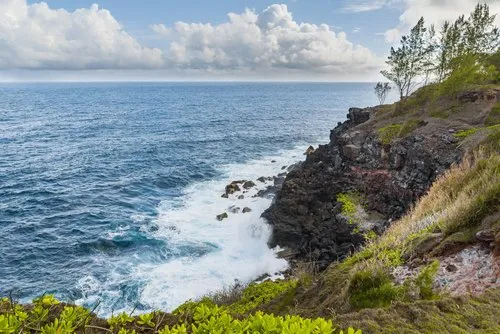
The south coast, including Gris Gris, Souillac, Riambel and St Félix, can feel wilder and more exposed. Clouds, wind, waves and rough sea conditions often give this region a dramatic atmosphere.
For photographers, the south is excellent for stormy skies, waves, cliffs and moody coastal landscapes.
Central Plateau
The central plateau, including Curepipe, Vacoas, Quatre Bornes and Rose Hill, is cooler and generally wetter than many coastal areas.
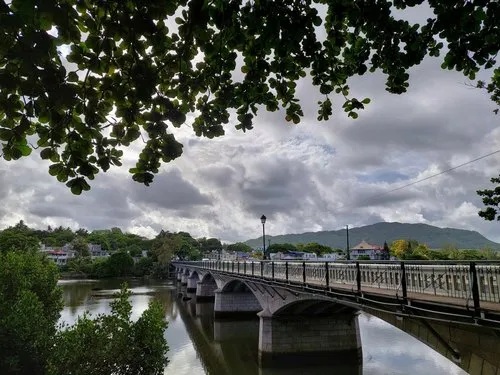
Clouds form more easily here, and the weather can feel very different from the beach. This is why people in Mauritius sometimes leave a sunny coast and arrive inland under grey skies.
Weather and the Sea
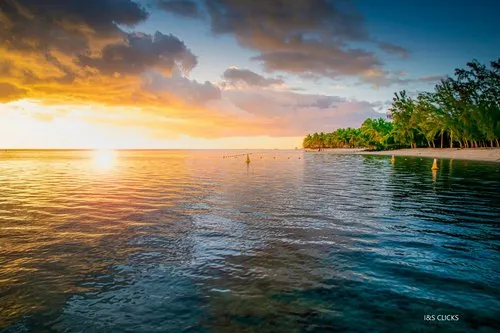
Weather changes the sea quickly. Wind can make the lagoon choppy. Heavy rain can reduce visibility for snorkelling. Cyclones and swells can create dangerous waves. Calm mornings can give clear reflections and beautiful lagoon colour.
For sea and wave photography, always check conditions before going close to exposed rocks or cliffs. Places such as Gris Gris, La Roche Qui Pleure, Le Souffleur and Pont Naturel can be dangerous when waves are strong.
For more dramatic ocean scenes, see waves in Mauritius.
Weather, Mountains and Forests
Mountains and forests create their own weather moods. Clouds often build over high ground, and mist can form in places such as Black River Gorges, Chamarel, Plaine Champagne and the central plateau.
For photography, cloudy weather can be excellent in mountain areas. It adds depth, mystery and atmosphere to mountain photos from Mauritius.
Rain also changes forests. Leaves become glossy, paths darken, waterfalls strengthen and the whole scene becomes richer in texture.
Weather and Agriculture
Weather affects agriculture in Mauritius. Rain, drought, heat, cyclones and wind can influence sugarcane, vegetables, fruits, flowers, tea and other crops.
Sugarcane fields in Mauritius change visually with the weather. Under blue skies they look bright and open. Under dark clouds they become dramatic. During dry periods, the fields can look pale and dusty.
Weather is also part of the story of food, water and rural life. It is not only something tourists check before going to the beach.
Cloud Photography in Mauritius
Clouds are one of the best subjects for landscape photography in Mauritius. They add scale, drama and emotion to beaches, mountains, roads, villages, rivers and forests.
Do you want a peaceful photo? Use soft clouds. Do you want drama? Wait for darker clouds. Do you want colour? Look for high clouds at sunrise or sunset.
Best Cloud Photo Subjects
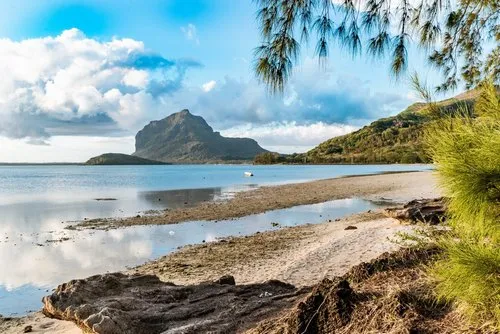
Good cloud photo subjects in Mauritius include mountain clouds over Le Morne, dramatic skies above Tamarin, sunrise clouds on the east coast, sunset clouds at Flic en Flac, storm clouds over sugarcane fields, mist in Black River Gorges, rain clouds over villages and cloud reflections in lagoons.
Best Time for Cloud Photography
Morning is good for soft light, sea clouds and mountain mist. Late afternoon is excellent for dramatic shadows and sunset colour. After rain, clouds often break apart and create beautiful light beams.
Do not pack the camera too quickly after a shower. The best light often arrives just after everyone else has gone home.
Black and White Weather Photos
Weather and clouds are excellent for black and white photography. Dark skies, rain, waves, old buildings, trees and mountains can become more powerful when colour is removed.
Grey weather is not necessarily bad weather. Sometimes it is just black-and-white weather waiting to happen.
Rainbows in Mauritius
Rainbows are common in Mauritius when sun and rain meet, especially near mountains, waterfalls, coastal showers and passing rain clouds.
The best rainbow photos usually happen when the sun is low and behind you, with rain or mist in front of you. Look toward mountains, waterfalls, open fields or the sea after showers.
For more examples, see rainbow photos from Mauritius.
Climate Change and Weather in Mauritius
Climate change is already part of the weather discussion in Mauritius. Official climate information points to warming temperatures, decreasing long-term rainfall, more consecutive dry days, fewer rainy days, and an increase in heavy rainfall events that can cause flash floods.
For a small island, these changes matter. They affect water resources, agriculture, coastlines, tourism, health, marine ecosystems and everyday planning.
In photography, climate change may appear indirectly: coastal erosion, dry landscapes, stressed vegetation, flooded roads, damaged coastlines, stronger sea conditions or unusual weather patterns.
Weather Safety in Mauritius
Weather can change quickly in Mauritius. Before hiking, going out to sea, flying a drone, photographing waves or planning a long beach day, check the latest official forecast.
During cyclones, torrential rain, thunderstorms or heavy swell warnings, avoid exposed coasts, rivers, mountains, flooded roads and unsafe structures.
A beautiful sky is never more important than getting home safely.
Useful Online References
Useful sources about weather, climate, cyclones, drought and clouds in Mauritius include the Mauritius Meteorological Services climate page, the Mauritius Meteorological Services climate change page, the official weather forecast bulletin for Mauritius, the Mauritius Meteorological Services FAQ, the National Disaster Risk Reduction and Management Centre cyclone information, the World Bank Climate Risk Country Profile for Mauritius and the SADRI Drought Resilience Profile for Mauritius.
Visiting Tips
If you want to photograph weather and clouds in Mauritius, do not wait only for perfect blue skies. Watch the mountains, the coast, the direction of the wind and the light after rain.
For calm tropical scenes, photograph early morning. For dramatic skies, watch summer afternoons. For sunsets, stay on the west coast. For sunrise clouds, try the east coast. For mist and forest mood, go inland after rain.
And if the weather changes? In Mauritius, that is not always a problem. Sometimes the changing sky is the whole photo.
Weather and Cloud Photos from Mauritius
Explore weather and cloud photos from Mauritius, from sunny beaches, dramatic storm clouds and mountain mist to rainbows, cyclone-season skies, trade-wind clouds, drought landscapes, sunsets, waves and tropical island light.