Tamarin Village & Beach
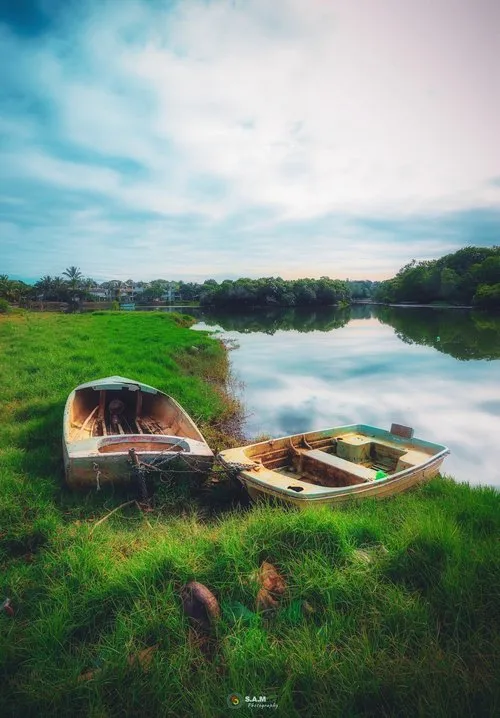
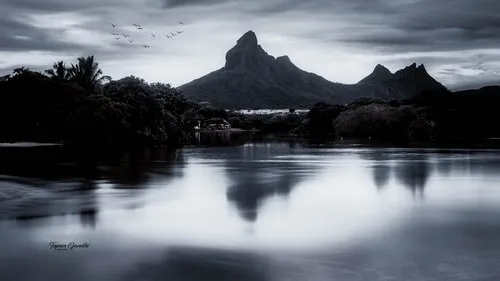
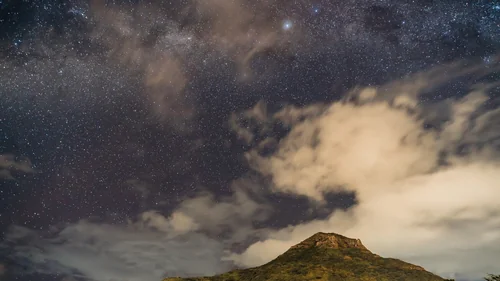
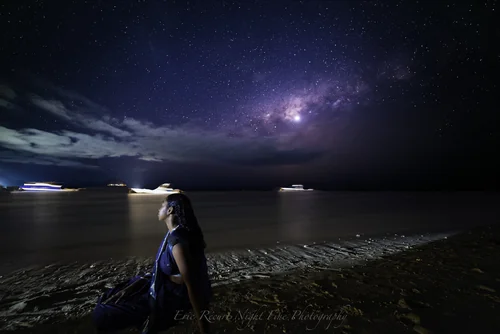
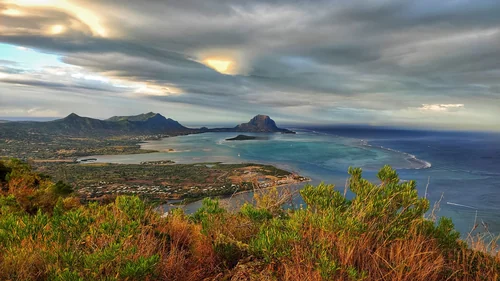
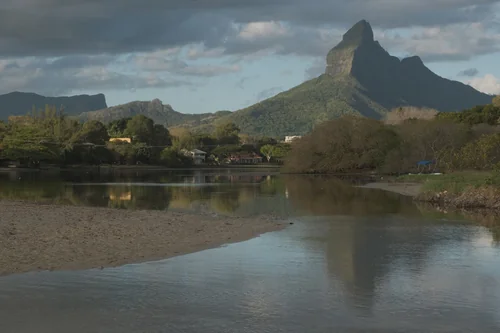
Browse Tamarin photos from Mauritius, including Tamarin Bay, beach scenes, surfing, dolphins, La Tourelle mountain, salt pans, sunsets, coastal life and west coast landscapes captured by Explora photographers.
Read more about Tamarin Village and Beach
About Tamarin Village and Beach
Tamarin is one of the most recognisable villages on the west coast of Mauritius. It has a different mood from the large resort areas: more local, more relaxed, more connected to the sea, mountains and everyday island life.
The village is known for Tamarin Bay, surfing, dolphin watching, sunsets, La Tourelle mountain, old salt pans, restaurants, villas, guest houses and its easy access to the south-west of Mauritius. It is not the quiet fishing village it once was, but it still keeps a strong identity.
Tamarin works well for visitors who want a west coast base with nature, beach life, restaurants and activities nearby. From here, you can move easily towards Black River, Flic en Flac, Le Morne, Chamarel, 7 Cascades and Black River Gorges National Park.
Why Visit Tamarin?
Tamarin is interesting because it brings together several sides of Mauritius in one place. There is a beach, but it is not only a beach. There is a village, but it is not only a village. There are mountains, rivers, dolphins, surf spots, property developments, old salt pans and a lively local food scene.
The village has become popular with Mauritians, expats and travellers who like the west coast lifestyle. It feels more casual than some resort areas, with a mix of local families, surfers, boat operators, residents, restaurants, villas and visitors passing through.
For photographers, Tamarin is especially useful because the landscape has layers: the bay, the river mouth, the mountain, the boats, the beach, the people, the sunset and the older salt-pan scenery. You can photograph the same area several times and get a different mood each time.
Main Places to See in Tamarin
The main places to see in and around Tamarin include Tamarin Bay, Tamarin Beach, the Tamarind River estuary, the old salt pans, La Tourelle mountain, nearby dolphin departure points, coastal roads, restaurants and the surrounding west coast villages.
Tamarin Beach and Tamarin Bay
Tamarin Beach is one of the most famous beaches on the west coast of Mauritius. It is not a perfect white-sand postcard beach in the same way as Trou aux Biches or Belle Mare, but that is part of its charm. It feels more natural, more open and more alive.
The bay is known for its waves, wide views, mountain backdrop and relaxed beach atmosphere. Locals and visitors come here for walking, surfing, swimming when conditions are suitable, watching the sunset or simply spending time by the sea.
Tamarin Beach is also one of the best places to photograph the west coast mood of Mauritius. The combination of sand, river mouth, boats, surfers, clouds, mountains and evening light gives the beach a strong visual identity.
The Tamarind River Estuary
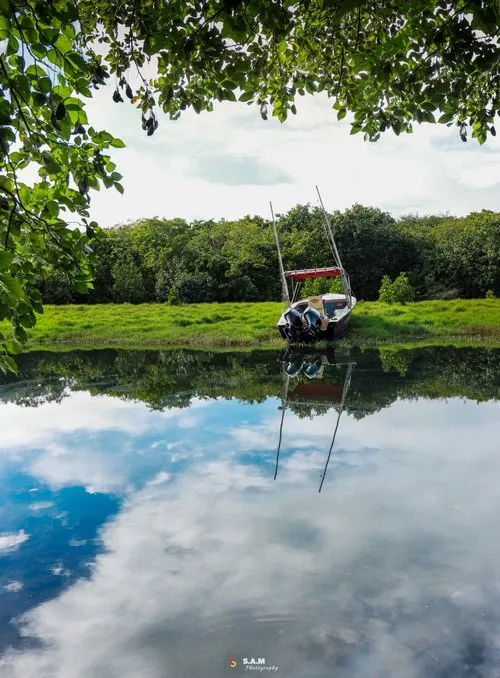
One of the most interesting features of Tamarin is the river that meets the sea at the bay. The Tamarind River creates an estuary where freshwater and seawater meet, giving the beach a very different character from a simple lagoon beach.
The river area is good for photos because it adds reflections, birds, boats, sandbanks and movement to the landscape. It also connects Tamarin with the inland water system, including the direction of the 7 Cascades and Tamarind Falls.
Depending on the season and rainfall, the river mouth can change a lot. Sometimes it is calm and reflective. Sometimes it is wider, stronger or shaped differently by the sea. This makes Tamarin feel like a living landscape, not a fixed postcard.
The Salt Pans of Tamarin
The old salt pans are part of the heritage of Tamarin. For a long time, salt production was linked with the west coast, dry weather, sea water and local work. The salt pans gave the village a very specific landscape, with shallow basins, geometric lines and a strong connection to the sea.
Many of the salt pans have declined or disappeared over time, and the area has changed with property development and new projects. Still, the memory of the salt pans remains important because they were part of the identity of Tamarin.
For photography, salt pans are interesting because they are simple but graphic: flat water, white salt, old walls, reflections, sky, mountains and sometimes abandoned structures. They show a less obvious side of Mauritius, far from the usual beach and hotel images.
La Tourelle Mountain
La Tourelle is one of the strongest landmarks around Tamarin. The mountain rises behind the village and gives the whole bay its distinctive shape. Even when it is not the main subject, it often appears in the background of Tamarin photos.
For hikers, La Tourelle can offer beautiful views over Tamarin Bay, Black River, the west coast and the surrounding mountain landscapes of Mauritius. The hike can be demanding, so visitors should check access, conditions and whether a guide is recommended.
From a photography point of view, La Tourelle is useful at many times of day. In the morning, it can catch soft light. In the evening, it can become a silhouette against the sunset sky. When clouds gather around it, the mountain gives Tamarin a more dramatic mood.
Nearby Black River and West Coast
Tamarin is closely linked with Black River, another important west coast area. Together, Tamarin and Black River form a coastal region known for boat trips, dolphin watching, restaurants, villas, fishing, mountain views and access to the south-west.
The area is also close to Black River Gorges National Park, one of the most important natural areas in Mauritius. This makes Tamarin a practical base for visitors who want both beach and inland nature.
Things to Do in Tamarin
Tamarin offers a good mix of activities: surfing, dolphin watching, boat trips, beach walks, sunset views, hiking, restaurants, photography, paddle activities and excursions towards the mountains, waterfalls and south-west coast.
Surfing in Tamarin
Tamarin has long been associated with surfing in Mauritius. Tamarin Bay is known for its waves and has attracted local and international surfers over the years.
Surf conditions depend on swell, tide, wind and season, so visitors should always check local advice before entering the water. The bay can be calm on some days and much more active on others.
For photographers, surfing adds energy to the beach. A surfer walking with a board, a wave breaking in the bay, or silhouettes at sunset can create strong images that feel very different from typical resort beach photos.
Dolphin Watching
Tamarin and the wider Black River region are among the best-known areas for dolphin watching in Mauritius. Boat trips often leave early in the morning, when the sea is calmer and dolphins may be seen offshore.
Dolphins are wild animals, so sightings are never guaranteed and respectful behaviour is essential. Boats should keep a safe distance, avoid chasing dolphins, reduce disturbance and follow responsible practices.
For visitors, seeing dolphins in the wild can be unforgettable. For photographers, it can be challenging because the moment is quick, the boat moves, and the dolphins do not pose. Very inconsiderate of them, but very natural.
Marine Life and Boat Trips
Boat trips from the west coast may also offer views of the lagoon, reef, Crystal Rock, Benitiers Island, fishing boats and sometimes other marine animals seen around Mauritius.
The sea around Tamarin and Black River is also linked with big game fishing in Mauritius, where boats head offshore in search of marlin, tuna, dorado and other pelagic fish.
Even without a big catch or perfect dolphin encounter, the boat experience itself can be beautiful: early light, mountain views, sea spray, fishing lines, crews at work and the west coast seen from the water.
Kayaking, Paddleboarding and Beach Activities
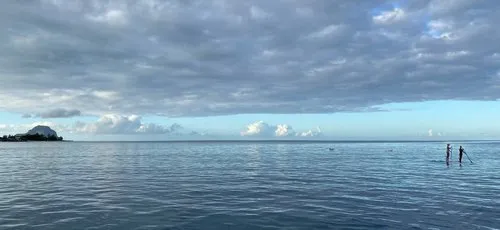
The river mouth and bay can be suitable for calm water activities depending on conditions. Kayaking, stand-up paddleboarding, beach walks and simple seaside relaxation are all part of the Tamarin experience.
Visitors should always check water conditions before swimming or paddling, especially near the river mouth, during swell, or after heavy rain. Tamarin is beautiful, but it is not always as calm as a protected lagoon beach.
Hiking and Nature Excursions
Tamarin is well placed for nature excursions. Visitors can explore La Tourelle, drive towards Black River Gorges, visit Chamarel, discover the 7 Cascades area or continue towards Le Morne and the south-west coast.
This makes the village useful for travellers who want to combine beaches in Mauritius with hiking, waterfalls, mountains and nature photography.
The Climate in Tamarin
Tamarin has a warm tropical climate, like the rest of Mauritius, but the west coast is often known for being warmer and drier than the central highlands. This helps explain why the area has long been associated with salt pans, sunny weather and coastal living.
The warmer season runs roughly from November to April, with higher humidity and more chance of tropical showers. The cooler and drier season runs roughly from May to October, with more comfortable temperatures and pleasant conditions for many outdoor activities.
For beach activities, surfing, dolphin watching and photography, early morning and late afternoon are often the best times. Midday can be hot and bright, while sunset is one of the strongest reasons to be in Tamarin.
Sunsets in Tamarin
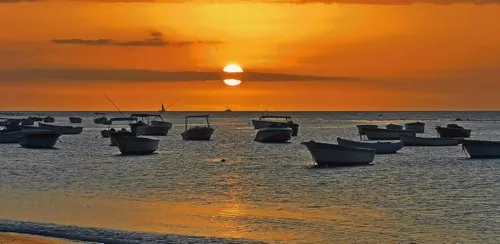
Tamarin is one of the good west coast places for sunset photography. As the sun drops over the Indian Ocean, the beach, bay, river mouth and mountain backdrop can all change colour within minutes.
The sunset atmosphere is often relaxed. People walk on the beach, children play, surfers come out of the water, dogs run around, boats sit in the distance, and the sky slowly turns orange, pink or purple.
For photographers, sunsets in Mauritius work especially well in Tamarin when there are clouds, reflections in wet sand, silhouettes of people or the shape of La Tourelle in the frame.
Restaurants and Food in Tamarin
Tamarin has a lively food scene compared with many small coastal villages. The area has restaurants, cafés, bars, takeaway spots and casual places where residents and visitors meet.
Well-known names in the area have included La Cosa Nostra, Happy Rajah and Big Willy’s, each with a different style. Visitors may find Italian food, Indian cuisine, pub-style meals, drinks, live music, casual dining and a friendly west coast atmosphere.
The restaurant scene is part of what makes Tamarin attractive as a place to stay. It is not only a beach stop; it is also a village where people go out in the evening, meet friends and enjoy the relaxed west coast lifestyle.
Hotels, Guest Houses and Villas in Tamarin
Tamarin offers a mix of guest houses, villas, apartments, boutique stays and a few hotel options. It is not packed with large resorts in the same way as some other beach areas, which gives it a more residential and village-like feeling.
Visitors looking for hotels in Mauritius may find options in and around Tamarin, while those wanting larger luxury resorts may also look towards nearby Flic en Flac, Black River, Le Morne or the wider west coast.
Guest Houses and Small Stays
Guest houses and small stays in Tamarin can be good for visitors who want a more personal experience. They often offer a simpler atmosphere, local contact and easier access to the village, beach and restaurants.
This type of accommodation suits travellers who prefer independence and do not need large hotel entertainment every evening.
Villas and Residential Stays
Tamarin is known for villas and residential developments, including properties in gated communities and hillside areas. Many visitors choose villa stays for privacy, space, sea views, family travel or longer holidays.
This has changed the village over time, bringing more residents, expats, shops, services and real estate activity. The result is a village that feels both local and international.
Hotels Around Tamarin
Hotel options around Tamarin include smaller beach and boutique-style properties, while nearby areas provide more choices. Travellers who want a bigger resort atmosphere may compare Tamarin with Flic en Flac village and beach, Black River or Le Morne.
The advantage of staying in Tamarin is the location: close to the bay, close to the mountains, close to restaurants and close to many west and south-west attractions.
Property Development and Local Life
Tamarin has changed a lot over the years. Property development, villas, commercial centres and the arrival of many expats have transformed the village from a quieter coastal settlement into one of the most sought-after areas on the west coast.
Developments such as Cap Tamarin and several gated communities have brought shops, services, residences and new lifestyles to the area. This has created opportunities, but it has also changed the feeling of the village.
For photographers and visitors, this contrast is part of the story. Tamarin is not frozen in the past. It is a living place where beach culture, local life, development, tourism and residential growth all meet.
Getting Around Tamarin
Tamarin can be explored by car, taxi, bus, bicycle or on foot depending on where you are staying and where you want to go. A car is useful if you want to visit Black River Gorges, Chamarel, Le Morne, Flic en Flac or other west coast places.
Buses connect Tamarin with nearby areas, although visitors who want flexibility may prefer a rental car or taxi. Roads can be busy at peak times, especially near commercial areas, schools and coastal routes.
Cycling can be pleasant in some areas, but visitors should be careful because roads can be narrow, traffic can be busy and some hills are not gentle at all.
Photography in Tamarin
Tamarin is excellent for photography because it offers more than one type of subject. You can photograph the beach, river mouth, surfers, dolphins, boats, salt pans, restaurants, village streets, mountains, sunsets, villas, coastal roads and everyday west coast life.
It is especially good for storytelling photos. A person walking at sunset, a surfer carrying a board, a boat leaving early in the morning, a mountain behind a modern villa, or an old salt pan beside new development can all say something about the village.
Best Photo Subjects
Good photo subjects in Tamarin include Tamarin Bay, La Tourelle mountain, the Tamarind River estuary, surfers, beach sunsets, dolphin boats, fishing scenes, salt pans, restaurants, village roads, people on the beach and the changing light of the west coast.
For a stronger gallery, combine landscape photos with human details. Tamarin is not only a place of scenery. It is a place of movement, residents, visitors, activities and stories.
Best Time for Photography
Early morning is good for dolphin boats, calm beach scenes, fishing activity and soft light. Late afternoon is best for sunsets, silhouettes, people on the beach and warm tones on La Tourelle.
After rain, the sky can become dramatic and the river area may look more interesting. During dry periods, the west coast light can be strong and clear. Both moods can work well if you use them properly.
Visiting Tips
If you visit Tamarin, do not treat it only as a quick beach stop. Take time to walk near the bay, look at the river mouth, notice La Tourelle, enjoy sunset, try a local restaurant and explore the surrounding west coast.
For dolphin watching, choose responsible operators and avoid tours that chase or overcrowd dolphins. For surfing, check conditions and respect local surfers. For hiking, bring proper shoes and check access. For photography, stay a little longer than planned. Tamarin often becomes more beautiful when the light starts to change.
Tamarin Photos from Mauritius
Explore photos of Tamarin in Mauritius, from Tamarin Beach, Tamarin Bay and La Tourelle mountain to surfing, dolphins, salt pans, sunsets, restaurants, villas, coastal roads and relaxed west coast village life.