Trees in Mauritius
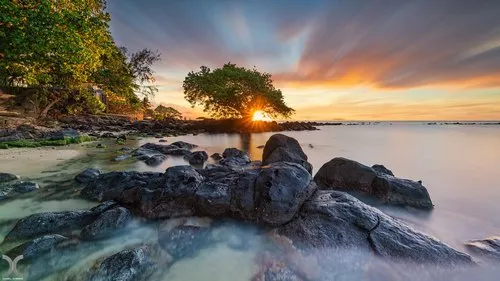
Browse tree photos from Mauritius, including coconut palms, filaos, mango trees, lychee trees, flamboyant trees, banyans, native ebony trees, mangroves, coastal shade trees, forest trees and tropical garden landscapes captured by Explora photographers.
Read more about trees in Mauritius
About Trees in Mauritius
Trees are part of the visual identity of Mauritius. They give shade to public beaches, fruit to home gardens, character to villages, protection to coastlines and structure to the island’s remaining forests. A coconut palm beside a lagoon, a filaos tree above a family picnic, a mango tree in a courtyard or an ebony tree in a restored forest can each tell a different story.
This page focuses specifically on trees and tree-like species in Mauritius. General plants, herbs, crops, aquatic plants and medicinal plants are covered on the plants of Mauritius page, while flower-focused subjects are covered on the flowers of Mauritius page.
So, what makes a tree photo interesting? Is it the fruit? The shade? The roots? The shape of the trunk? The bird sitting on a branch? Or the way a tree frames a beach, mountain or old road? In Mauritius, the answer is often all of these at once.
Popular Trees in Mauritius
The trees below are listed in a practical order, starting with the ones most people are likely to recognise first in Mauritius. This is not a strict botanical ranking, but a useful guide for visitors, photographers and anyone interested in the trees that shape the island’s landscapes.
Coconut Palms
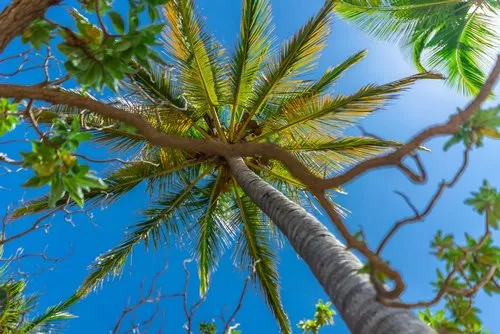
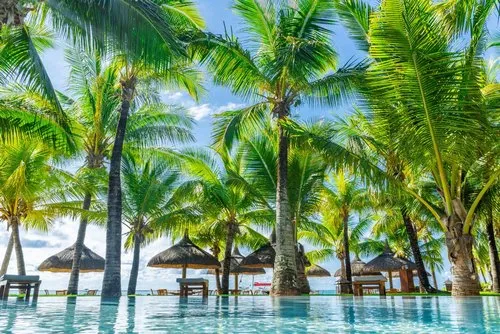
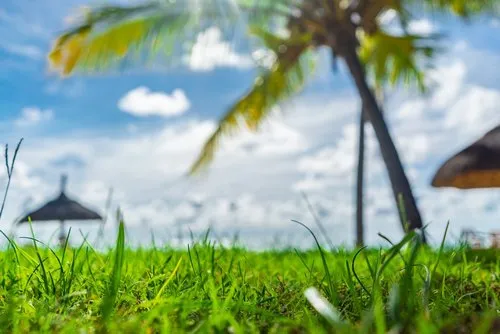
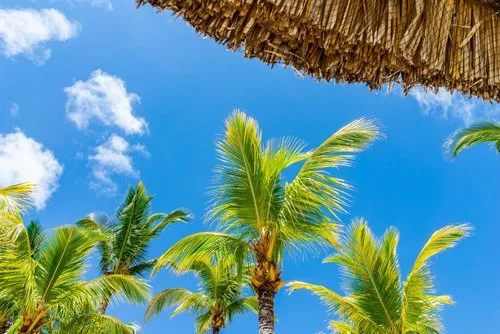
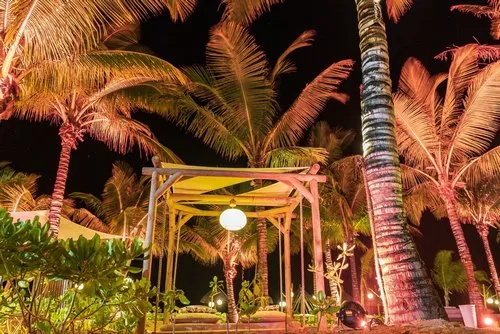
Coconut palms are among the most iconic trees associated with Mauritius. They are seen near beaches, hotels, gardens, coastal roads and village yards. A coconut palm leaning over turquoise water is one of the classic tropical images of the island.
Coconut trees are not only decorative. The fruit is used for food, drinks, cooking and oil. The husks can be used as fibre, the leaves have traditional uses, and the trunks have sometimes been used in construction or garden structures. In coastal areas, coconut palms also provide shade and help create the relaxed island atmosphere that many visitors expect.
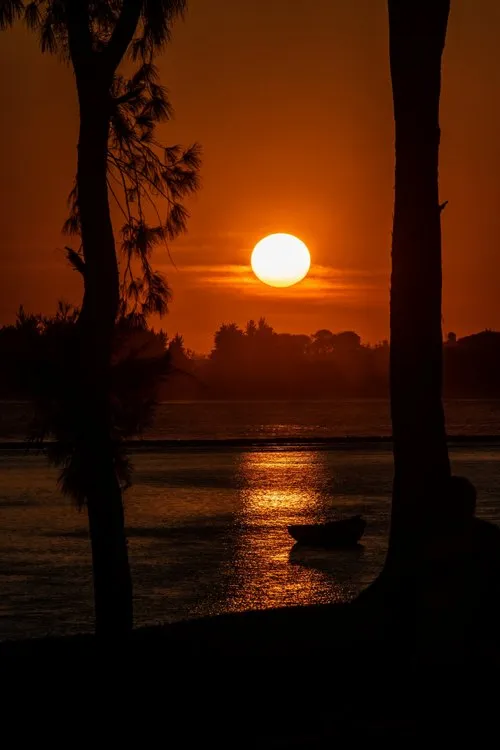
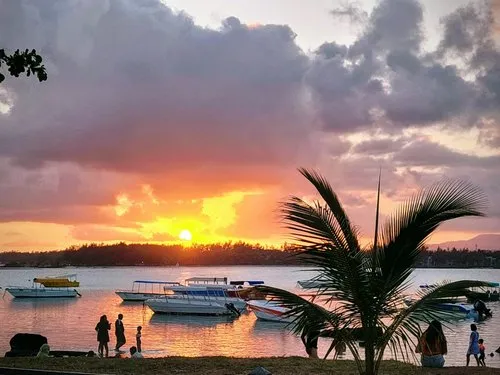
For photography, coconut palms work beautifully as silhouettes at sunset, foreground details near beaches, or simple tropical shapes against a blue sky.
Filaos Trees
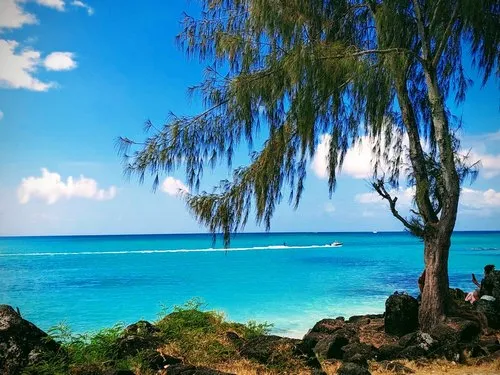
Filaos, also known as casuarina trees, are very common along public beaches in Mauritius. They provide shade, soften the coastline and create the familiar atmosphere of many Mauritian beach picnic areas.
On weekends and public holidays, many families sit under filaos trees for long beach gatherings. This makes filaos more than coastal vegetation. They are part of public beach culture and local life.
For photography, filaos trees are excellent for framing beach scenes, creating silhouettes, showing shade patterns and adding a local feeling to beach photos from Mauritius.
Flamboyant Trees
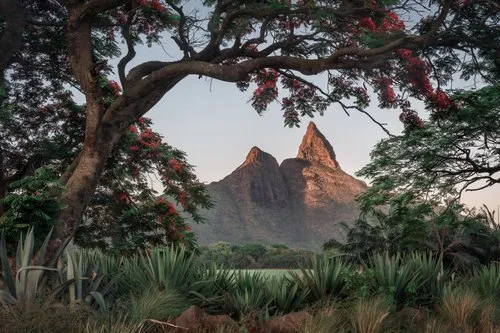
The flamboyant tree, also known as Delonix regia, is one of the most spectacular trees seen in Mauritius. Originally from Madagascar, it has adapted well to the tropical climate and is widely planted in gardens, parks, roadsides and public spaces.
When it blooms, the flamboyant becomes impossible to ignore. Its fiery red or orange canopy can transform a road, school yard or village scene into a dramatic landscape. The broad umbrella-like crown also provides welcome shade during hot weather.
Although the flowers are covered on the flowers of Mauritius page, the full tree deserves its place here because of its shape, shade, seasonal colour and strong presence in the Mauritian landscape.
Mango Trees
Mango trees are loved across Mauritius. They are found in home gardens, village yards, old properties, rural areas and sometimes along roadsides. When mango season comes, the tree becomes a small event by itself.
Many Mauritians have memories linked to mango trees: climbing branches, waiting for fruit to ripen, picking mangoes too early, sharing fruit with neighbours or protecting the best ones from birds. Very serious island business.
For photography, mango trees combine shade, fruit, family life and tropical abundance. They also connect naturally with fruits of Mauritius.
Lychee Trees
Lychee trees are especially loved during the summer and end-of-year season. Their red fruit clusters are seasonal, colourful and strongly associated with family sharing, festive periods and local markets.
A lychee tree full of fruit is a beautiful sight, but the human story around it is just as important. Baskets of lychees, children waiting under the branches, relatives exchanging fruit and roadside sellers all form part of the seasonal atmosphere.
Longan Trees
Longan trees are less visually famous than mango or lychee trees, but they are part of the wider fruit tree culture of Mauritius. The fruit is small, round and sweet, sometimes called “dragon’s eye” because of its appearance when peeled.
For photographers, longan trees are interesting when shown with fruit clusters, market scenes or home garden details.
Frangipani Trees
Frangipani trees are common in gardens, temples, hotels, cemeteries and quiet courtyards. They are small to medium-sized trees with sculptural branches and fragrant flowers.
On the Flowers page, frangipani belongs as a bloom. On this Trees page, it belongs because of its shape, branches, garden presence and cultural setting.
A frangipani tree can be photographed through its full shape, twisted branches, bark texture, fallen flowers or soft petals on a path after rain.
Banyan and Ficus Trees
Banyan and ficus trees can create some of the most atmospheric tree scenes in Mauritius. Their large trunks, aerial roots and heavy shade give a sense of age and quiet strength.
These trees are often found in old gardens, near temples, in parks, around historic areas or in large public spaces. They can make a place feel older, calmer and more rooted in memory.
Tamarind Trees
Tamarind trees are part of the island’s garden and food culture. Tamarind is used in chutneys, sauces, drinks and traditional cooking.
The tree itself has a graceful form, fine leaves and a strong old-garden feeling. It is interesting because it connects shade, food, taste and memory.
Breadfruit Trees
Breadfruit trees are found in gardens and villages, and their large leaves are easy to recognise. The fruit is used in cooking and is part of tropical food culture.
For photography, breadfruit trees are useful because of their large leaves, heavy fruit and connection with home gardens and traditional meals.
Jackfruit Trees
Jackfruit trees produce very large fruits, often growing directly from the trunk or main branches. This makes them visually striking and sometimes surprising for visitors seeing them for the first time.
In Mauritius, jackfruit trees are connected with rural life, home gardens and traditional cooking. A jackfruit tree with fruit on the trunk can make a strong documentary photo.
Guava Trees
Guava trees are common in gardens and rural areas. Their fruit is eaten fresh or used in jams, juices and other preparations.
There is also an important conservation note: some guava relatives, especially Chinese guava, have become invasive in Mauritian forests. This means a fruit tree can be appreciated in gardens, while related invasive species can be a serious problem in native habitats. Context matters.
Neem Trees
Neem trees are often found in gardens, roadsides and yards. They are known in many tropical countries for traditional household uses and as hardy shade trees.
In Mauritius, neem may be linked with home remedies, garden culture, shade and practical village life. This is cultural information, not medical advice.
Badamier or Tropical Almond Trees
The badamier, or tropical almond, is often seen near coasts, roadsides and open spaces. Its broad layered branches provide good shade, and its leaves can turn reddish or golden before falling.
On beaches and coastal roads, badamier trees are useful for both shade and photography. Their shape can frame people, boats, sea views and village scenes.
Royal Palms and Ornamental Palms
Royal palms and other ornamental palms are common in gardens, parks, hotels, roadsides and landscaped entrances. Their tall trunks and elegant crowns create a formal tropical look.
Some palms are planted mainly for beauty, while others have practical uses or conservation value. A line of palms along a garden path or entrance can create strong symmetry in a photo.
Traveller’s Palm
The traveller’s palm is often planted in gardens and landscaped spaces in Mauritius. Despite its name, it is not a true palm, but its fan-shaped leaves make it one of the most recognisable tropical ornamental plants.
It is best treated as a tree-like garden subject for photography: large, graphic, architectural and very useful for tropical compositions.
Fruit Trees in Mauritius
Fruit trees are central to garden life in Mauritius. Mango, lychee, longan, breadfruit, jackfruit, coconut, guava, tamarind, avocado, citrus, soursop and other fruit trees can be found in home gardens, villages, orchards and rural areas.
Fruit trees are not only agricultural. They are emotional. A family mango tree, a lychee tree that fruits at the end of the year, or a breadfruit tree near a kitchen can hold years of memory.
For fruit-focused images, see the dedicated page about fruits of Mauritius.
Banana Plants: Commonly Called Trees
Banana plants are often called banana trees in everyday language, and they are common across Mauritius. Botanically, however, they are large herbaceous plants rather than trees.
Because of that, banana plants are better covered on the plants of Mauritius page. Still, they often appear in the same home gardens and rural landscapes as fruit trees.
Native and Endemic Trees of Mauritius
Mauritius has a unique native flora, including many endemic species found naturally only on the island or in the Mascarene region. Some native trees survive mainly in protected forests, reserves and restoration sites because much of the original forest has disappeared or been degraded.
Native trees matter because they support native birds, insects, reptiles, bats and forest ecosystems. They are not only rare botanical names. They are the structure of what original Mauritian nature used to be.
Bois d’Ébène or Ebony Trees
Bois d’Ébène, or ebony, is one of the most symbolic native trees of Mauritius. Historically, ebony wood was highly valued because of its dense, dark timber, and this led to heavy exploitation during the early colonial period.
Today, ebony trees are strongly linked with conservation and restoration. Places such as Ebony Forest in Chamarel help visitors understand why these trees matter and how native forest can slowly be rebuilt.
Bois de Natte
Bois de Natte refers to native trees of the genus Labourdonnaisia. These trees are part of the island’s original forest structure and are important in native forest conservation.
Older local uses included leaves for practical purposes, but today the bigger story is conservation. Bois de Natte belongs to the native forest heritage that Mauritius is trying to protect and restore.
Tambalacoque or Dodo Tree
The tambalacoque, often called the dodo tree, is one of the most famous endemic trees of Mauritius. It is linked with the old idea that its seeds needed to pass through the dodo’s digestive system to germinate.
That theory has been debated and refined over time, but the tree remains symbolically powerful. It reminds us that island ecosystems are connected: birds, bats, reptiles, trees, seeds and people all affect one another.
Bois de Rempart
Bois de Rempart, associated with native forest habitats, is another example of Mauritius’ indigenous tree heritage. Trees like this may not be well known to casual visitors, but they are important for biodiversity and ecological restoration.
Some of the most valuable trees in Mauritius are not the ones most people can name. They are the ones quietly holding together what remains of native forest.
Bois Chandelle
Bois Chandelle, or Dracaena concinna, is part of the island’s native plant heritage and has a distinctive form. It is linked with native vegetation and conservation landscapes.
Its shape makes it interesting for photography, especially in natural or semi-natural settings where it can be seen as part of a wider ecosystem.
Native Palms
Mauritius has important native and endemic palms, including rare species such as the bottle palm and blue latan palm. These palms are very different from generic ornamental palms planted in hotels and gardens.
Native palms are part of the island’s botanical identity. Some survive mainly in protected areas, offshore islets, restoration projects or conservation collections.
Screw Pines and Vacoas
Screw pines, often called vacoas, are distinctive tree-like plants with long narrow leaves and sometimes prop roots. They are part of coastal, wetland or native vegetation in parts of the Mascarenes.
For photography, vacoas can be very graphic because of their leaf patterns, roots and sculptural form.
Mangrove Trees in Mauritius
Mangroves deserve a place on the Trees page because they are coastal trees with major ecological importance. In Mauritius, mangroves grow in sheltered coastal areas, estuaries and lagoon edges.
The two main mangrove species historically recorded in Mauritius are Rhizophora mucronata and Bruguiera gymnorhiza. Mangroves protect shorelines, reduce erosion, trap sediments, shelter crabs and young fish, support birds and help connect rivers, lagoons and reefs.
They may not look as glamorous as a coconut palm on a beach, but ecologically they are among the most important coastal trees on the island.
Mangrove Roots and Coastal Protection
Mangrove roots are visually powerful and ecologically useful. They hold sediment, reduce wave impact, create shelter for small marine life and provide habitat for crabs, birds and juvenile fish.
For photography, mangroves are best captured slowly: roots, reflections, low tide textures, mud, water, birds and soft morning light.
Mangroves and Fishing Life
Mangroves are connected with fishing in Mauritius because they can support nursery habitats for fish and crustaceans. Protecting mangroves is not only about trees; it is also about lagoons, coastal communities and marine life.
Coastal Trees and Beach Shade
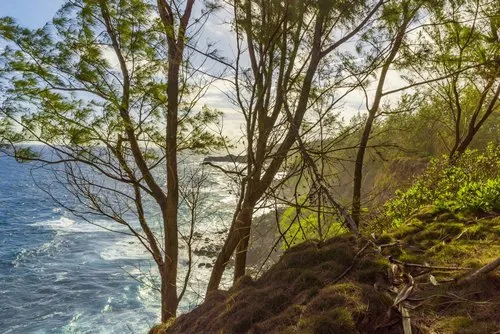
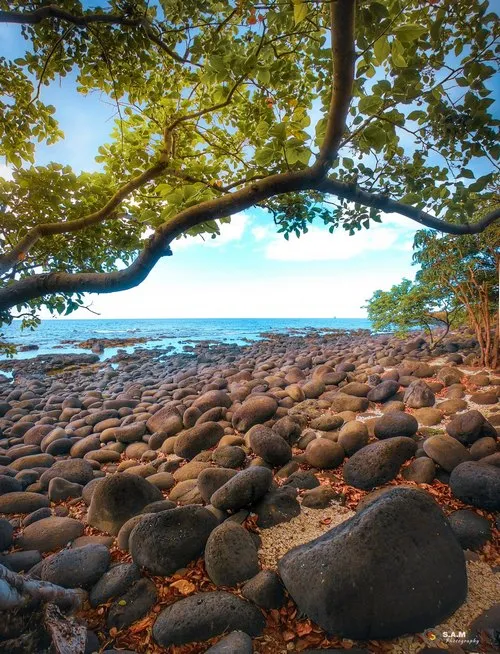
Coastal trees are part of the beach experience in Mauritius. They provide shade, reduce heat, frame views and make public beaches more comfortable for families.
Common coastal tree subjects include filaos, coconut palms, badamier, some palms, mangroves in sheltered areas and other salt-tolerant vegetation.
On public beaches, shade trees are part of Mauritian weekend culture. People do not only come for the sea. They come to sit under trees, eat, talk, rest and spend the day together.
Undesirable and Invasive Trees
Not every tree growing in Mauritius is good for the island’s natural ecosystems. Some introduced trees and shrubs have become invasive, spreading into native habitats and competing with indigenous plants.
Guava and Chinese guava, as well as some acacia species, are often mentioned among invasive plant problems in Mauritius. These species can grow aggressively, block light, change forest structure and make it difficult for native seedlings to survive.
This is why conservation work in Mauritius often involves more than planting trees. It also involves removing invasive species, protecting native seedlings and restoring ecological balance.
Deforestation in Mauritius
Mauritius has experienced heavy deforestation since human settlement. Forests were cleared for agriculture, settlements, timber and later for the expansion of the sugar industry.
During the colonial period, especially in the 18th and 19th centuries, native forests were heavily exploited. Valuable trees such as ebony were harvested, and large areas of natural forest were transformed into agricultural land, especially for sugarcane fields in Mauritius.
The loss of forest affected more than trees. It contributed to soil erosion, habitat loss, reduced biodiversity, changes in watersheds and increased sedimentation in rivers and coastal ecosystems. Forest loss also affected many animals of Mauritius and endemic species that depended on native habitats.
This history is important because it explains why native tree conservation is such a major issue today. Mauritius may look green, but not all greenery is native forest.
Tree Conservation and Restoration
Tree conservation in Mauritius focuses on protecting native species, restoring degraded habitats, controlling invasive plants and reconnecting people with the island’s natural heritage.
The Mauritius Wildlife Foundation has played an important role in conservation since the 1980s, working on habitat restoration, endangered species recovery, native planting and public awareness. Other organisations, parks and reserves also contribute to protecting native trees and ecosystems.
Reforestation in Mauritius is not simply about planting any tree. The choice of species matters. Native and endemic trees support the island’s original biodiversity much better than random ornamental or invasive species.
Restoring Native Forest
Restoring native forest is slow work. It may involve removing invasive plants, protecting young seedlings, planting native species, controlling pests and monitoring wildlife.
Places such as Ebony Forest, Ile aux Aigrettes, La Vallée de Ferney, Mondrain and Black River Gorges help show why this work matters.
Community Awareness
Tree conservation also depends on people. When local communities understand the value of native trees, gardens, forests and mangroves, protection becomes stronger.
Planting a native tree, protecting a mangrove area, avoiding invasive plants or supporting restoration projects may seem small, but these actions help rebuild the living landscape of Mauritius.
Trees in Mauritian Gardens
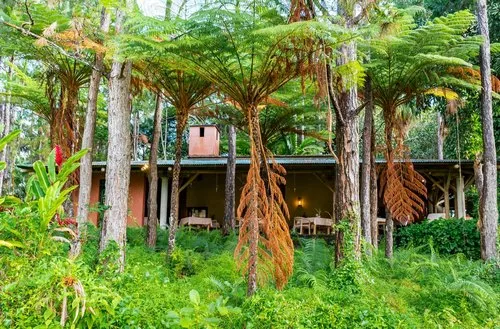
Mauritian people often like having trees around the home when space allows. A mango tree, lychee tree, coconut palm, frangipani, breadfruit tree or small shade tree can make a home cooler, greener and more personal.
Garden trees provide fruit, shade, privacy, bird habitat and a place for family life. In many homes, the space under a tree is where people talk, sort fruit, drink tea, clean fish, park a bicycle or escape the afternoon heat.
This is one of the most human sides of tree photography. A tree beside a house is not only vegetation. It may be part of someone’s routine.
Trees in Forests and Nature Parks
Forests and nature parks are the best places to understand the deeper tree story of Mauritius. They show the difference between introduced plantations, degraded forest, restored native forest and rare endemic habitats.
Black River Gorges National Park is especially important because it protects some of the last major areas of native forest on the island. It is a key place for native trees, birds, mountain views and conservation.
Forests and nature parks in Mauritius also include places such as Bras d’Eau, Ebony Forest, La Vallée de Ferney, Ile aux Aigrettes and other reserves where tree conservation and restoration are part of the visitor experience.
Black River Gorges National Park
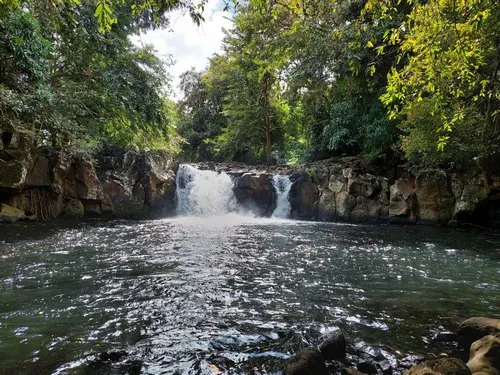
Black River Gorges is one of the most important forest areas in Mauritius. It protects native vegetation, endemic birds, waterfalls, valleys and mountain habitats.
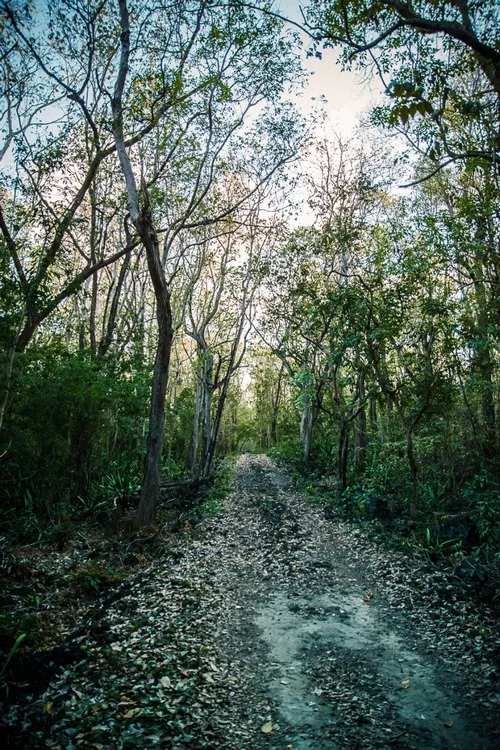
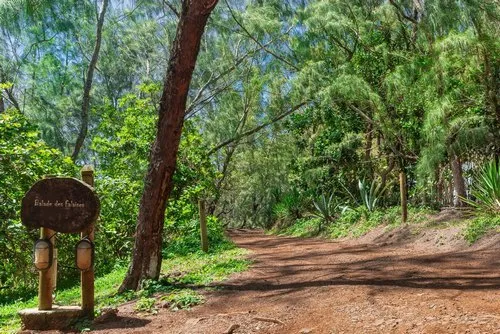
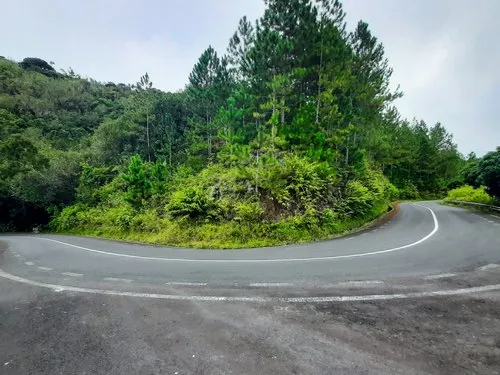
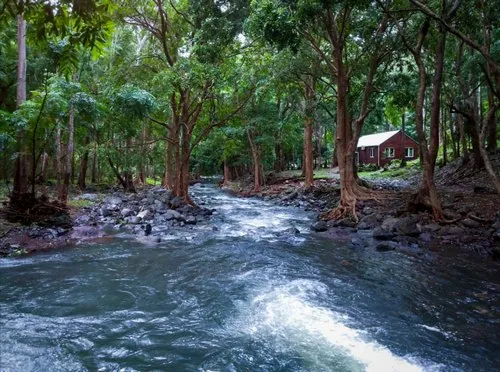
For tree photography, it offers mist, ridges, dense vegetation, forest paths, viewpoints, roots, bark and natural layers of green.
Ebony Forest
Ebony Forest in Chamarel is strongly associated with restoration of native forest and conservation of endemic species. It is one of the best places for visitors to understand why native trees matter.
Unlike a simple garden walk, a visit here can show the difference between planted decoration and ecological restoration.
Bras d’Eau National Park
Bras d’Eau National Park, in the north-east, includes planted forest areas and natural coastal habitats. It is known for trails, peaceful forest scenery and a different type of woodland atmosphere from Black River Gorges.
This makes it useful for understanding another side of Mauritian tree landscapes: not only native forest, but also plantation forest and recreational woodland.
Trees, Birds and Wildlife
Trees support many living things. Birds use them for food, shade, nesting and perching. Bats feed on fruits and help disperse seeds. Insects, geckos, lizards and snails depend on leaves, bark, flowers, fruit and dead wood.
This makes tree photos naturally connected with birds of Mauritius and animals of Mauritius. A tree with a bird in it is no longer only a tree. It becomes a small ecosystem in one frame.
Native trees are especially important because many native animals evolved with them. Protecting native trees helps much more than the trees themselves.
Tree Photography in Mauritius
Trees are excellent subjects for photography because they give shape, scale and emotion to a scene. They can frame a beach, lead the eye along a road, shade a person, hold a bird, show age, or create a silhouette against the sunset.
Do you photograph the whole tree, or only the bark? The fruit, or the person picking it? The roots, or the shadow underneath? With trees, the strongest photo is often the one that shows the relationship between the tree and its place.
Best Tree Photo Subjects
Good tree photo subjects in Mauritius include coconut palms, filaos, flamboyant trees, mango trees, lychee trees, longan trees, frangipani trees, banyans, badamier, breadfruit trees, jackfruit trees, tamarind trees, native ebony trees, mangroves, palms, old garden trees and forest trees in protected areas.
Best Time for Tree Photography
Morning is often best for tree photography because the light is softer and leaves look fresh. Late afternoon is excellent for silhouettes, beach trees, palms, garden trees and sunset scenes.
After rain, tree trunks darken, leaves shine and roots become more textured. Cloudy weather can also be excellent for forest trees because it reduces harsh contrast.
Close-up Tree Details
Close-up photos can focus on bark, roots, leaves, fruit, seeds, aerial roots, moss, lichen, insects, fallen leaves or branches.
Sometimes a tree is too large to photograph well in one frame. In that case, photograph the details. The story of an old tree may be in its bark, not its full height.
Drone and Aerial Tree Photography
Drone and aerial photography in Mauritius can show tree patterns beautifully: forest canopies, coastal filaos lines, palm rows, orchards, mangrove edges and tree-covered mountain slopes.
Drone pilots should follow local rules, avoid flying over people, respect privacy and be careful around protected areas, birds and strong coastal winds.
Responsible Tree Photography
Do not damage bark, carve names into trunks, break branches, pick rare fruit or seeds, climb fragile trees, cut roots, disturb nesting birds or walk into protected vegetation for a better angle.
In forests and reserves, stay on marked paths and follow guide instructions. Some native trees grow slowly and are part of fragile restoration work. A photo should not cost a tree its future.
Useful Online References
Useful sources about trees, native flora, forests, mangroves and conservation in Mauritius include the National Parks and Conservation Service, the NPCS Rays of Hope document, the Black River Gorges National Park page, the Bras d’Eau National Park page, the Ebony Forest native plants guide, the Mauritius Wildlife Foundation, the UNDP article on invasive alien species in Mauritius and research on the status of mangroves in Mauritius.
Visiting Tips
If you want to photograph trees in Mauritius, do not only look for perfect palms. Visit public beaches for filaos and coconut palms, villages for mango and lychee trees, old gardens for banyans and frangipani, forests for native species, and mangrove areas for roots and reflections.
And if you are unsure whether a tree photo is interesting, ask one simple question: does this tree give shade, food, memory, habitat, protection, history or atmosphere? If the answer is yes, then it probably belongs in the story of Mauritius.
Tree Photos from Mauritius
Explore tree photos from Mauritius, from coconut palms, filaos, mango trees and lychee trees to flamboyant trees, banyans, native ebony trees, mangroves, fruit trees, forest canopies and tropical garden trees across the island.