Cliffs of Mauritius
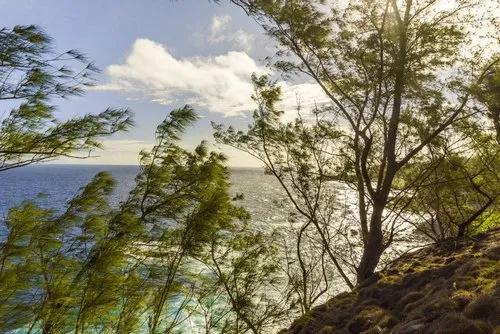
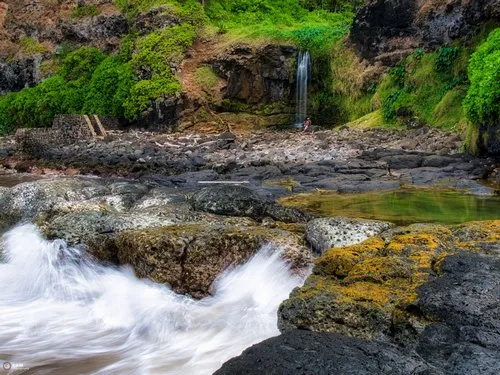
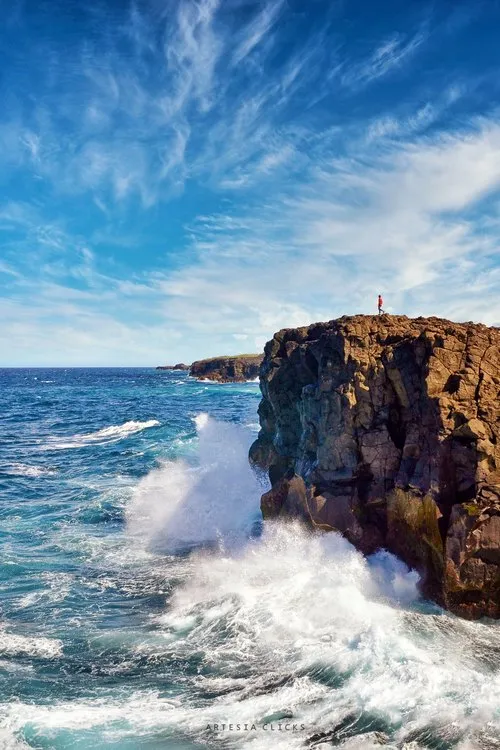
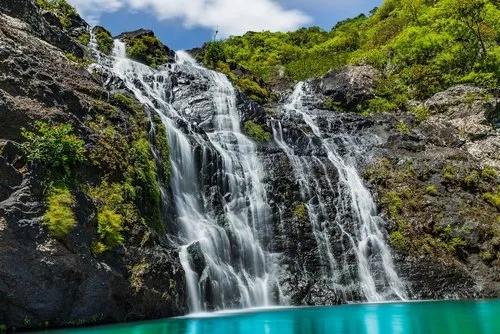
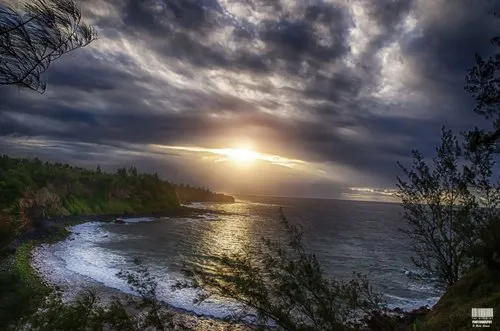
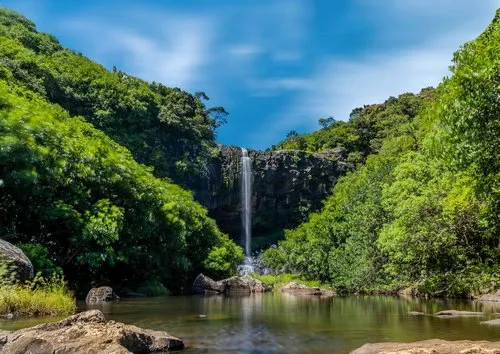
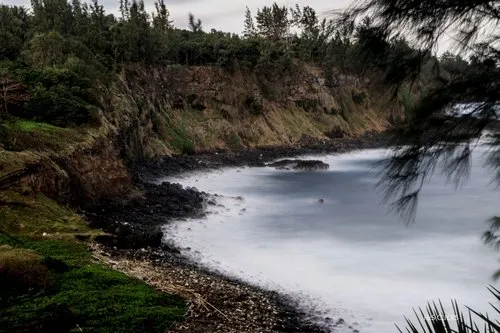
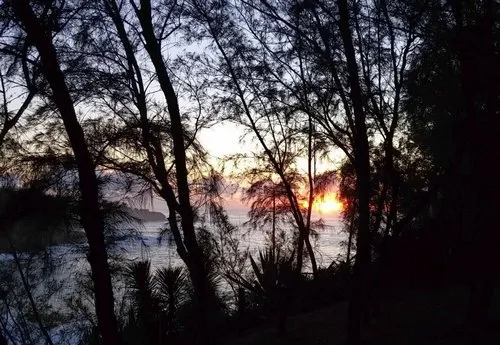
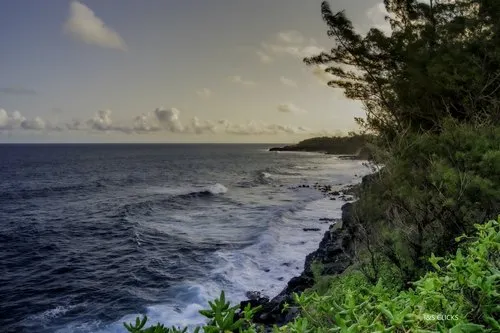
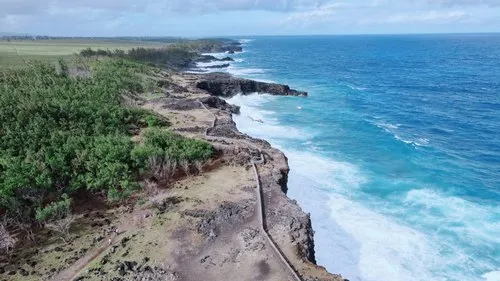
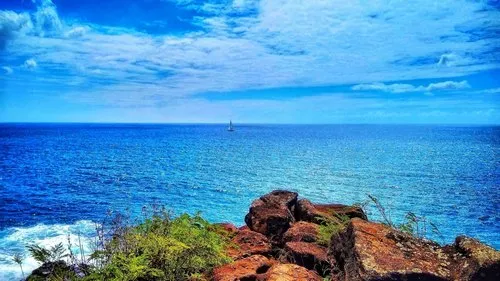
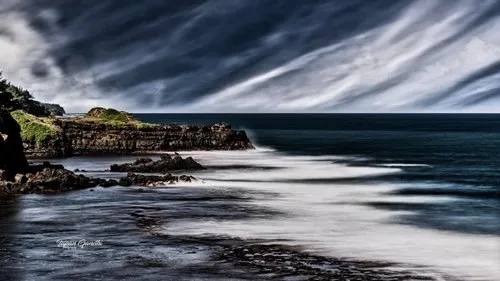
Browse cliff photos from Mauritius, including wild south coast cliffs, volcanic rocks, crashing waves, lighthouse viewpoints, coastal paths, dramatic seascapes and rugged island landscapes captured by Explora photographers.
Read more about cliffs in Mauritius
About Cliffs of Mauritius
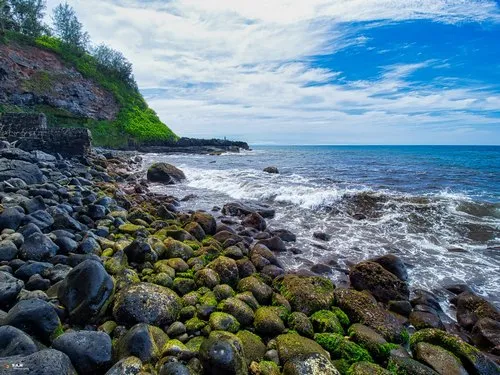
Cliffs in Mauritius show a wilder side of the island. They are very different from the calm lagoon beaches often seen in travel brochures. Here, the sea is louder, the rocks are darker, the wind is stronger, and the landscape feels more raw.
Most of the best-known cliffs in Mauritius are found along the south and west coasts, where volcanic rock, rough seas, strong waves and exposed shorelines create dramatic views. These places are excellent for photography, but they also deserve caution. A cliff is beautiful, yes. It is also very good at reminding people not to stand too close to the edge.
Why Cliffs Matter in Mauritius
Mauritius is often described through its lagoons, beaches and coral reefs, but cliffs are part of the island’s geological and coastal story. They show the volcanic origin of the island and the power of the Indian Ocean where the protective reef is absent, distant or broken.
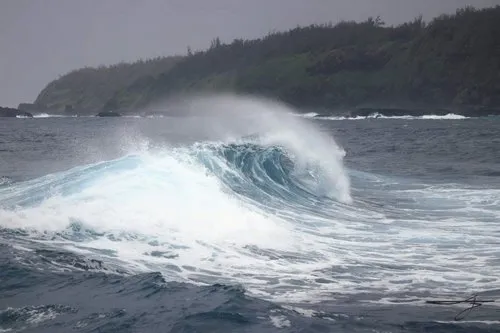
Cliffs also create some of the strongest landscape photos in Mauritius. Crashing waves, black basalt rocks, sea spray, coastal wind, wild clouds and empty horizons can make a photo feel dramatic and timeless. This is not the soft postcard Mauritius. This is the island with its teeth showing a little.
Main Cliffs and Cliff Viewpoints in Mauritius
The main cliffs and cliff-related sites in Mauritius include Gris Gris cliffs, La Roche Qui Pleure, Le Souffleur, Pont Naturel, Albion cliffs and Pointe aux Caves, Macondé Viewpoint, Baie du Cap coastal cliffs, Le Bouchon and La Cambuse rocky coastline, Le Morne coastal viewpoints, Rivière des Galets and parts of the wild south coast.
This list is useful for visitors and photographers, but it should not be treated as a complete geological inventory of every cliff or rocky headland on the island. Mauritius has many small rocky edges, lava formations, coastal drops and sea-facing viewpoints that may not have famous names.
Gris Gris Cliffs
Gris Gris, near Souillac, is one of the most famous cliff landscapes in Mauritius. Unlike many lagoon beaches, Gris Gris is exposed to the open sea, with strong waves, rough currents and dramatic views over the Indian Ocean.
The cliffs at Gris Gris are especially popular because they show a different Mauritius: wild, windy and powerful. Visitors usually come here to walk, take photos and watch the waves crash against the rocks, not to swim. The sea can be dangerous, so the beauty of the place should be enjoyed from safe viewpoints.
For photography, Gris Gris is excellent when the sky is dramatic, the waves are strong, or the light catches the sea spray. It is one of the best places to photograph the rougher coastal character of the south.
La Roche Qui Pleure
La Roche Qui Pleure, meaning the crying rock, is located near Gris Gris and Souillac. The name comes from the way waves crash against the rock and run down its face, giving the impression that the rock is crying.
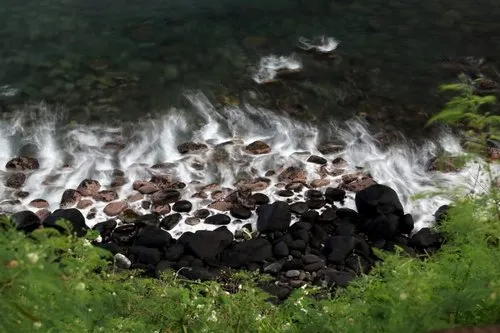
This is one of the most poetic cliff sites in Mauritius. The scene is simple but powerful: dark rock, white foam, open ocean and the constant movement of waves. It is a strong subject for black and white photography, long exposure photography and dramatic coastal landscapes.
Visitors should be careful here, especially when the sea is rough. Wet rocks can be slippery, and waves may be stronger than they appear from a distance.
Le Souffleur
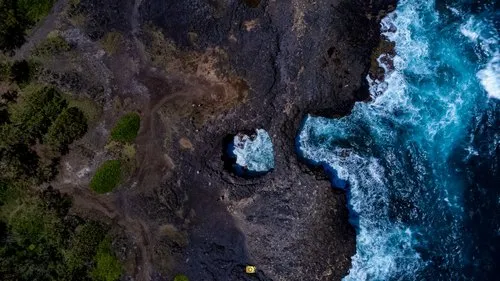
Le Souffleur is a rugged coastal site in the south of Mauritius, known for volcanic rocks, rough sea and a natural blowhole effect when waves force water and air through openings in the rock.
The cliffs and lava formations here create one of the wildest coastal scenes on the island. When the sea is active, waves strike the rocks with force and the blowhole can send water into the air. It is not a calm beach stop. It is more of a raw natural spectacle.
Access can be more difficult than at the more famous viewpoints, and the area may require a suitable vehicle or local knowledge depending on conditions. This is a place to visit with caution, especially near cliff edges and wet rocks.
Pont Naturel
Pont Naturel is a natural rock bridge on the south-east coast, between Le Souffleur and Le Bouchon. It was formed by volcanic rock and wave erosion, creating a bridge-like cliff structure above the sea.
The place is dramatic because the sea below is strong, noisy and full of movement. Waves crash into the cliffs and through the rock openings, creating white foam, spray and a powerful coastal atmosphere.
Pont Naturel is a beautiful place for photography, but not for swimming. Visitors should stay away from the edge and avoid walking on wet or unstable rock surfaces. The scene is impressive enough without taking risks.
Albion Cliffs and Pointe aux Caves
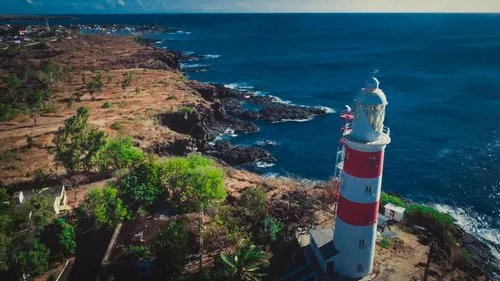
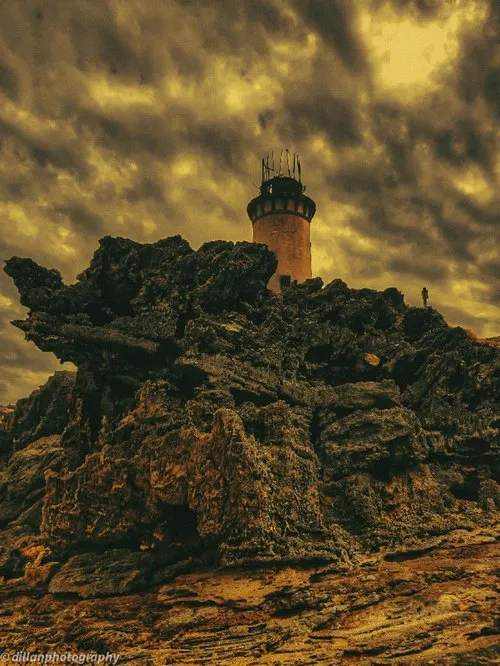
The cliffs of Albion, on the west coast, are among the most recognisable cliff landscapes in Mauritius because of the Pointe aux Caves lighthouse. The red and white lighthouse stands near the edge of black volcanic cliffs, with waves breaking below.
This site combines several strong subjects: lighthouse, cliffs, sea, wind, rocks and open horizon. It is popular for landscape photography, wedding photography and sunset views, although the mood can feel rugged when the sea is rough.
Albion cliffs are also useful because they show that cliff landscapes are not only found in the south. The west coast has its own dramatic rocky edges, especially around Pointe aux Caves and nearby coastal paths.
Macondé Viewpoint
Macondé Viewpoint is one of the most photographed viewpoints in Mauritius. It is located on the coastal road between Baie du Cap and Le Morne, where the road curves dramatically beside the sea and a small rocky cliff rises above the coast.
The viewpoint offers wide views over the south-west coastline, lagoon, mountains and road below. It is not a high cliff in the same way as Gris Gris or Albion, but it is one of the best cliffside viewpoints for seeing how road, sea and mountain meet in Mauritius.
Because the viewpoint is close to the road and can be windy, visitors should be careful when climbing the stairs and taking photos. The view is worth it, but the space is not huge.
Baie du Cap Coastal Cliffs
Baie du Cap and the surrounding south-west coast include rocky edges, cliff-like viewpoints, coastal curves and dramatic road scenery. This area is closely linked with Macondé, Le Morne and the wild coastal drive towards the south.
For photographers, Baie du Cap works well because it combines many elements: cliffside views, coastal road, lagoon, mountains, village life and changing light. The cliffs are part of a wider landscape rather than a single isolated attraction.
Le Bouchon and La Cambuse Rocky Coast
Le Bouchon and La Cambuse, in the south-east, are linked with a wilder coastline where rocky sections, strong waves and exposed coastal paths create a different feeling from calm resort beaches.
These areas can be interesting for walkers and photographers who want to explore beyond the classic beach view. The coastline may include rocks, small cliffs, rough sea, coastal vegetation and views towards more rugged natural sites such as Pont Naturel and Le Souffleur.
Swimming should be approached with caution in exposed areas, especially where currents are strong or waves break directly on rocks.
Rivière des Galets and the Wild South Coast
Rivière des Galets is known for its pebble beach and wild coastal atmosphere. While it is not always described as a cliff site in the same way as Gris Gris, it belongs to the wider south coast landscape of rough waves, rocky shores and dramatic sea views.
This area can be useful for photographers who want textures: pebbles, foam, waves, dark rocks, clouds and coastal wind. It also fits well into a southern itinerary with Gris Gris, Souillac, Rochester Falls, Riambel and Pomponette.
Le Morne Coastal Viewpoints
Le Morne is best known for its mountain, lagoon and UNESCO heritage story, but the surrounding coastal viewpoints also include rocky edges, strong wave areas and dramatic views where mountain and sea meet.
The cliffs here are not necessarily the main attraction, but the landscape has a strong vertical character: mountain slopes, coastal road, rocks, reef lines and open sea. It works especially well for aerial photography and wide landscape images.
Cliffs, Waves and the Indian Ocean
The most dramatic cliffs in Mauritius are shaped visually by waves. At Gris Gris, La Roche Qui Pleure, Le Souffleur, Pont Naturel and parts of Albion, the movement of the sea is just as important as the rock itself.
When waves hit cliffs, they create foam, spray, sound and movement. This is why cliff photography often feels more powerful than calm lagoon photography. The scene is alive, changing every few seconds.
These places can also be dangerous. Strong waves, sudden spray, slippery basalt, loose stones and cliff edges should never be underestimated. A big wave does not care how carefully you composed your photo.
Cliffs, Lighthouses and Coastal Heritage
Cliffs in Mauritius are often linked with maritime history and navigation. The best example is Albion, where the Pointe aux Caves lighthouse stands above the cliffs and helps create one of the island’s most memorable coastal scenes.
Lighthouses in Mauritius and cliff viewpoints share the same relationship with the sea: they face open water, weather, wind and waves. This makes them excellent subjects for photography, especially when the light is low or the sky is dramatic.
Cliffs, Beaches and Coastal Contrast
One of the most interesting things about Mauritius is the contrast between calm lagoon beaches and wild cliff coastlines. On one side, you may have white sand beaches and turquoise lagoons. On another, you may have black volcanic rock, crashing waves and dangerous currents.
This contrast is especially clear in the south. Gris Gris, La Roche Qui Pleure, Le Souffleur and Pont Naturel feel very different from beaches such as Belle Mare, Mont Choisy or Trou aux Biches. Both are beautiful, but they do not tell the same story.
Cliffs, Mountains and Volcanic Landscapes
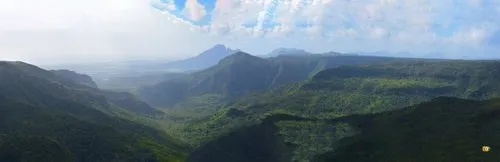
Cliffs are also connected to the volcanic origin of Mauritius. The island’s basalt rocks, rugged coastlines, mountain slopes and inland gorges all belong to the same wider geological story.
For photographers, cliffs and mountain landscapes of Mauritius work well together. Macondé, Baie du Cap, Le Morne, Albion and the south coast all show how sea, rock, road and mountain can meet in one landscape.
Best Cliffs for Photography in Mauritius
The best cliffs for photography in Mauritius depend on the mood you want. For wild waves and dramatic sea views, choose Gris Gris, La Roche Qui Pleure, Le Souffleur and Pont Naturel. For lighthouse and cliff photos, choose Albion and Pointe aux Caves. For road, sea and mountain compositions, choose Macondé and Baie du Cap. For rugged coastal walking scenes, consider Le Bouchon, La Cambuse and parts of the south-east coast.
Best Time to Photograph Cliffs
Early morning and late afternoon usually give the best light for cliff photography. The softer light brings out rock texture, sea spray and coastal atmosphere. Midday light can be harsh, especially on pale sea foam and reflective water.
Cloudy weather can also work very well. A dramatic sky above cliffs can make the image stronger than a perfect blue sky. Mauritius cliffs often look best when the weather has mood.
Black and White Cliff Photography
Cliffs are excellent for black and white photography. Dark rocks, white waves, grey clouds and strong lines can create powerful images without needing colour.
Gris Gris, Albion, La Roche Qui Pleure and Le Souffleur are especially good for monochrome photography because the scenes already have contrast, texture and movement. The sea becomes force, the cliffs become shape, and the sky becomes drama.
Drone and Aerial Cliff Photography
Drone and aerial photography in Mauritius can show cliff landscapes in a completely different way. From above, you can see reef lines, rock shapes, wave patterns, coastal roads, viewpoints and the relationship between cliffs and surrounding beaches.
Drone pilots should be careful around cliffs because wind can be stronger and less predictable near exposed coasts. Always respect local rules, avoid flying over people, stay away from restricted areas and do not fly in unsafe weather.
Safety Around Cliffs in Mauritius
Cliff areas in Mauritius can be dangerous, especially when the sea is rough, rocks are wet, or visitors stand too close to the edge. There may be no fences, warning signs or lifeguards in some places.
Stay on safe paths, avoid wet rocks near the water, do not turn your back on the sea in exposed areas, and keep children away from cliff edges. At places such as Gris Gris, La Roche Qui Pleure, Le Souffleur and Pont Naturel, the waves can be powerful and unpredictable.
Visiting Tips
If you want to explore cliffs in Mauritius, wear proper shoes, bring water, protect yourself from sun and wind, and check the weather before visiting exposed coastal areas. Avoid cliff walks during storms, heavy rain or very rough sea conditions.
For an easy cliff itinerary, visit Albion and Pointe aux Caves on the west coast, or Gris Gris and La Roche Qui Pleure near Souillac. For a more rugged south-east experience, explore Pont Naturel, Le Souffleur, Le Bouchon and La Cambuse with proper preparation and local access advice.
Cliffs are among the most powerful landscapes in Mauritius. They may not be as relaxing as a calm lagoon, but they show the island’s wild side beautifully. Just admire them with respect, and from a safe distance.
Cliff Photos from Mauritius
Explore photos of cliffs in Mauritius, from Gris Gris, La Roche Qui Pleure and Le Souffleur to Albion, Pointe aux Caves, Pont Naturel, Macondé, Baie du Cap and the wild volcanic coastlines of the island.