Restaurant & Bars in Mauritius
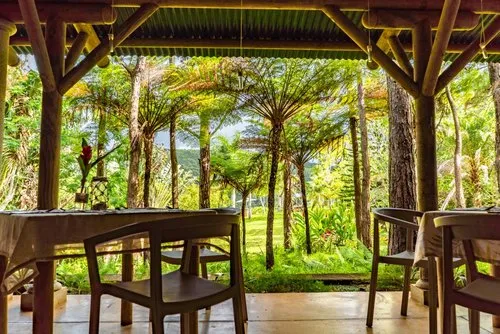
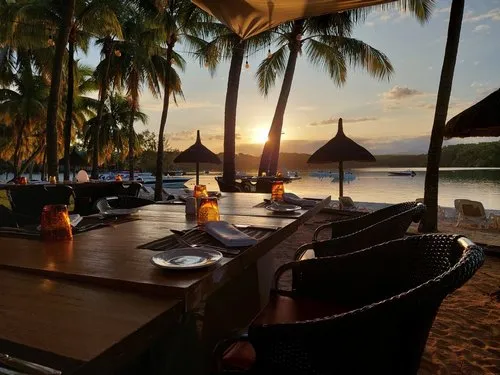
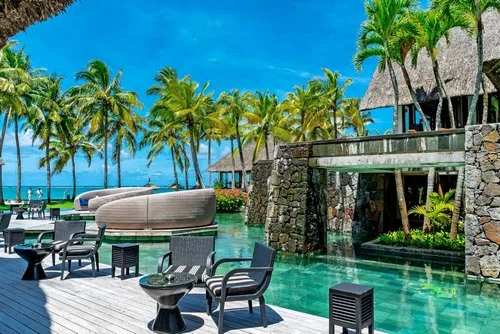
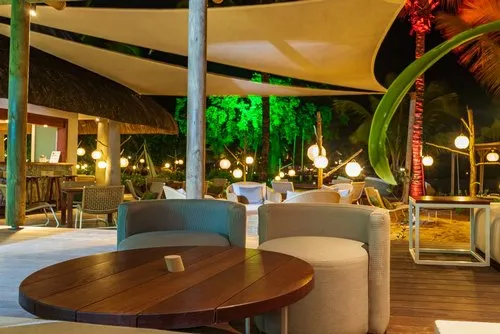
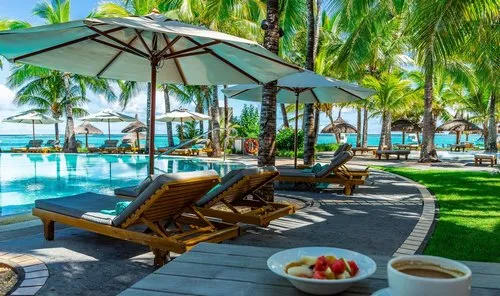
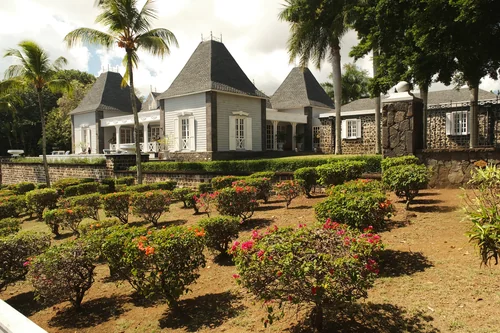
Browse restaurant and bar photos from Mauritius, including beach restaurants, local food spots, street food, hotel dining, cafés, night bars, cocktails, seafood, Mauritian cuisine and lively island evenings captured by Explora photographers.
Read more about restaurants and bars in Mauritius
About Restaurants and Bars in Mauritius
Restaurants and bars in Mauritius reflect the island itself: mixed, colourful, relaxed, generous and full of different influences. You can eat a simple dholl puri from a street vendor, enjoy fresh seafood by the beach, try Indian, Chinese, Creole, French or Italian dishes, or spend the evening in a lively bar in one of the main tourist villages.
Food is a big part of Mauritian life. People do not only eat to fill the stomach. They eat to meet, talk, celebrate, share and argue gently about who makes the best biryani. A restaurant or bar in Mauritius can be a family place, a beach stop, a street-food corner, a romantic setting, a hotel dining room or a lively night venue.
For photographers, restaurants and bars are excellent subjects because they show the human side of the island: people eating, chefs cooking, waiters moving between tables, colourful plates, tropical drinks, lights at night, beach tables, market snacks and everyday island hospitality.
Mauritian Cuisine and Local Food
Mauritian cuisine is one of the best ways to understand the island’s history and culture. It brings together Indian, Creole, Chinese, French, African and European influences in a way that feels natural rather than forced.
Popular local dishes include dholl puri, farata, roti, biryani, mine frit, fried rice, boulettes, fish vindaye, rougaille, curry, gateaux piments, samosas, pickles, grilled fish and seafood dishes. Many of these foods are found in small restaurants, markets, beach stalls, snack shops and family-run places.
Local food is closely linked with Mauritian people. A simple food photo can say a lot about the island: a vendor preparing farata, a family sharing fried noodles, a plate of curry in a small restaurant, or fresh pineapple served on the beach.
Types of Restaurants in Mauritius
Mauritius offers many types of restaurants, from casual street-food places to beach restaurants, hotel restaurants, family restaurants, cafés, fine dining venues, food courts, local snack shops and small village eateries.
The best restaurant experience is not always the most expensive one. Sometimes it is a plate of noodles in a busy town, a grilled fish near the sea, a curry served in a modest village restaurant, or a fresh snack after a long beach day.
Local Mauritian Restaurants
Local Mauritian restaurants are where visitors can taste the everyday flavours of the island. These places may serve curry, rougaille, fried noodles, briani, grilled meat, seafood, rice dishes, dholl puri, mine bouilli, octopus curry or simple homemade-style meals.
The atmosphere is often casual and friendly. Some restaurants are family-run, with recipes passed from one generation to another. Others are simple lunch places where office workers, students, families and visitors all eat side by side.
Street Food and Snack Shops
Street food is one of the most enjoyable parts of eating in Mauritius. Dholl puri, roti, gateaux piments, samosas, boulettes, fried noodles, alouda, pickled fruits and fresh pineapple are part of the island’s daily food culture.
Street food can be found in towns, markets, near bus stations, along busy roads and close to public beaches. It is quick, affordable and full of local character.
For photography, street food scenes are very strong: hands preparing dough, sauces being added, colourful pickles, steam rising from a pot, customers waiting, and vendors working quickly with a rhythm that looks easy but is not.
Seafood Restaurants
Seafood restaurants are naturally important on an island like Mauritius. Fish, prawns, calamari, octopus, crab and lobster may appear on menus depending on the place, season and supply.
Coastal areas such as Grand Bay, Trou aux Biches, Flic en Flac, Tamarin, Black River, Mahebourg, Blue Bay, Grand Gaube and Trou d’Eau Douce are good places to find seafood restaurants or beachside dining.
Seafood is also connected with fishing in Mauritius. Behind a fresh fish dish, there is often a fisherman, a boat, a market, a village and a long morning at sea.
Beach Restaurants
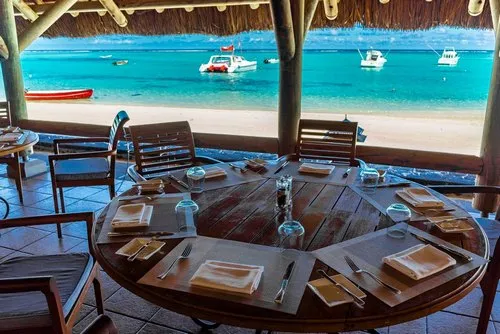
Beach restaurants are among the most attractive dining places in Mauritius. They may be simple seaside snack spots, casual tables near the sand, hotel beach restaurants or more refined coastal venues.
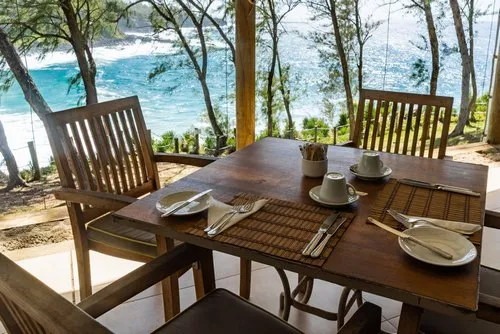
Eating near the sea is part of the island experience. The sound of waves, the smell of grilled fish, the shade of filaos or palm trees, and the view of the lagoon all make the meal feel different.
Some of the best beach restaurant areas are close to popular beaches in Mauritius, including Grand Bay, Flic en Flac, Tamarin, Le Morne, Belle Mare, Trou aux Biches, Pereybere and Blue Bay.
Hotel Restaurants
Hotels in Mauritius often have several restaurants, from buffet dining to beach grills, fine dining, Asian restaurants, seafood restaurants, bars and poolside cafés.
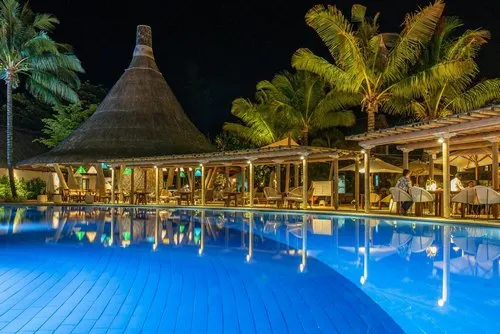
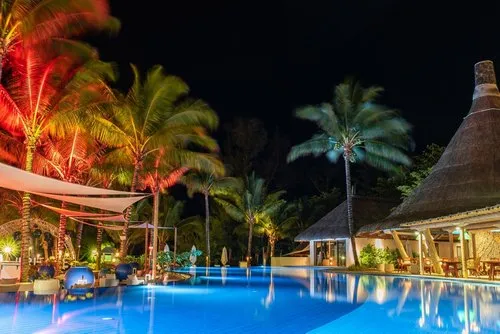
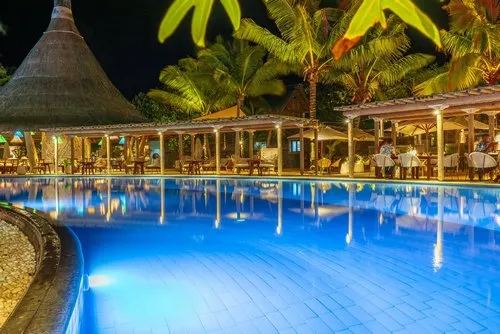
Hotels in Mauritius are useful for visitors who want convenience, sea views and a polished dining experience. They can also be interesting for photography because hotel restaurants often combine architecture, gardens, pools, lighting and coastal scenery.
Still, visitors should not limit themselves to hotel food only. The island becomes much more interesting when you also try local restaurants, snack shops, markets and family-run places.
Fine Dining Restaurants
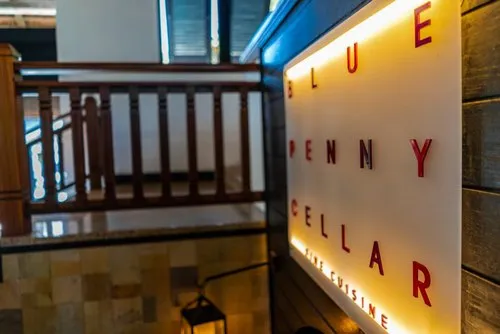
Mauritius also has fine dining restaurants, especially in luxury hotels, coastal resorts, private estates and some urban areas. These restaurants may offer creative menus, wine pairings, seafood, French-inspired cuisine, Asian fusion, Indian fine dining or modern Mauritian dishes.
Fine dining is not the everyday food story of Mauritius, but it is part of the island’s tourism and hospitality scene. It can be a good choice for special occasions, romantic dinners or visitors who enjoy more refined food experiences.
Cafés and Casual Dining
Cafés and casual restaurants are increasingly common in Mauritius, especially in towns, shopping centres, coastal villages and business areas. They may serve coffee, pastries, salads, burgers, sandwiches, cakes, smoothies, breakfast dishes and light meals.
Cafés are useful places to observe modern Mauritian lifestyle: friends meeting, people working on laptops, families stopping after shopping, and visitors taking a slower break between activities.
Different Cuisines Found in Mauritius
The restaurant scene in Mauritius offers a wide variety of cuisines. Visitors can find Mauritian, Creole, Indian, Chinese, Muslim, French, Italian, Japanese, Thai, Mediterranean, seafood, grill, vegetarian and fusion restaurants.
Mauritian and Creole Cuisine
Mauritian and Creole food often includes rougaille, curries, grilled fish, octopus dishes, lentils, rice, pickles, chutneys and spicy sauces. The flavours are warm, generous and often connected with family cooking.
Creole restaurants are especially good for visitors who want to taste the island beyond hotel buffets.
Indian and Muslim Cuisine
Indian and Muslim food traditions are very important in Mauritius. Biryani, curries, farata, roti, tandoori dishes, kebabs, haleem, samosas and many vegetarian dishes are commonly found.
These cuisines are linked with the history of Indian migration and the cultural life of Mauritius. They are also part of festivals, family events and everyday meals.
Chinese Cuisine
Chinese cuisine is deeply rooted in Mauritian food culture. Fried noodles, fried rice, boulettes, chop suey, sweet and sour dishes and Chinese-Mauritian snacks are widely loved.
China Town in Port Louis is one of the best places to see this heritage, with restaurants, shops, street food events and old commercial streets that tell the story of the Chinese community in Mauritius.
French and European Cuisine
French influence is visible in bakeries, pastries, sauces, fine dining, bistros and hotel restaurants. Visitors can also find Italian, Mediterranean and other European-style restaurants, especially in tourist areas.
Pizza, pasta, salads, grilled dishes and French-style desserts are common in many coastal villages and shopping centres.
Asian and Fusion Cuisine
Japanese, Thai, Korean, Indian-fusion, Chinese-fusion and modern Asian restaurants can be found in several parts of Mauritius, particularly in popular tourist areas and urban centres.
Fusion cuisine fits Mauritius quite naturally because the island has always mixed flavours. Sometimes the most Mauritian thing about a meal is that it refuses to belong to only one category.
Bars and Nightlife in Mauritius
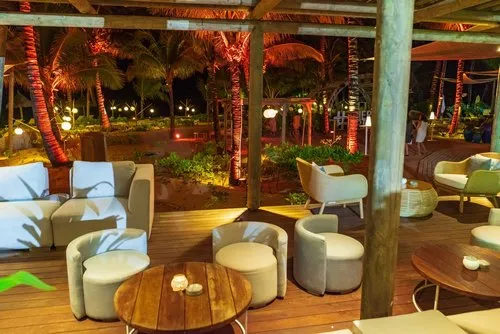
Bars in Mauritius range from relaxed beach bars and hotel bars to pubs, cocktail lounges, live music venues, sports bars and night bars in tourist villages. The nightlife is not the same everywhere on the island. It is concentrated mainly in popular coastal and urban areas.
Bars are busiest in places such as Grand Bay, Flic en Flac, Tamarin, Black River, Pereybere and some hotel areas. Port Louis, Ebene and Moka may also have after-work bars and restaurants, especially during weekdays.
Beach Bars
Beach bars are among the most relaxed places to enjoy an evening in Mauritius. They may offer cocktails, local beer, snacks, seafood, music and sea views.
Beach bars work especially well around sunset. The light becomes soft, the lagoon changes colour, and the atmosphere becomes more social without always being too loud.
Hotel Bars
Hotel bars are common across the island, especially in coastal resorts. They may be located near pools, beaches, restaurants, gardens or lobby areas.
They are useful for visitors who want a quieter and more comfortable evening, often with live music, cocktails, wine, rum, snacks or a sea view.
Night Bars in Tourist Areas
In tourist places such as Grand Bay and Flic en Flac, bars may stay open later at night, especially on weekends and during busy holiday periods. Visitors can find music, cocktails, dancing, sports screens, DJs, live bands or more casual pub-style atmospheres.
Grand Bay is one of the best-known nightlife areas in Mauritius, with bars, restaurants and clubs spread around the coastal village. Flic en Flac also has a lively evening scene, with restaurants and bars close to the beach road.
The nightlife is usually more active during weekends, public holidays and peak tourist periods. On quieter weekdays, some places may close earlier or feel more relaxed.
Rum, Cocktails and Local Drinks
Mauritius is known for rum, especially because of the island’s long sugarcane history. Rum-based cocktails, arranged rum, local beer, fresh fruit juices and tropical drinks are common in bars and restaurants.
Drinks often connect with fruits of Mauritius, such as pineapple, passion fruit, lime, coconut, mango and lychee. A simple fruit cocktail can feel very local when made with fresh island flavours.
Best Areas for Restaurants and Bars
The best areas for restaurants and bars in Mauritius include Grand Bay, Pereybere, Trou aux Biches, Flic en Flac, Tamarin, Black River, Le Morne, Belle Mare, Blue Bay, Mahebourg, Port Louis, Moka, Ebene and Curepipe.
Grand Bay
Grand Bay is one of the liveliest places in Mauritius for restaurants and bars. Visitors can find beach restaurants, cafés, pubs, clubs, seafood places, Indian restaurants, Italian restaurants and cocktail bars.
It is one of the best choices for people who want both dinner and nightlife in the same area.
Flic en Flac
Flic en Flac has a relaxed west coast food and bar scene. Along and around the coastal road, visitors can find restaurants, snack places, bars and evening venues.
The area is especially pleasant around sunset, when beachgoers, families, tourists and locals all gather near the sea.
Tamarin and Black River
Tamarin and Black River have a more west-coast residential and expat-friendly atmosphere. Restaurants and bars here often feel casual, modern and relaxed, with good access to sunset views, boat activities and mountain scenery.
Tamarin is also interesting for food and lifestyle photography because it mixes village life, surf culture, villas, restaurants and evening social scenes.
Port Louis
Port Louis is excellent for street food, markets, China Town, local restaurants and lunch-time food culture. It is less of a late-night beach-bar destination, but it is one of the best places to photograph real food movement in Mauritius.
The Central Market, China Town, small restaurants, office lunch spots and street vendors all make Port Louis a strong food photography location.
Mahebourg and Blue Bay
Mahebourg and Blue Bay offer a quieter south-east food scene, with local restaurants, seafood, snacks, market food and lagoon-side places.
Mahebourg is especially interesting because of its market, waterfront, old town atmosphere and connection with the lagoon.
Restaurants, Markets and Street Food
Some of the best food experiences in Mauritius are found around markets rather than formal restaurants. Markets in Port Louis, Mahebourg, Flacq, Quatre Bornes, Curepipe and other towns offer fresh produce, snacks, spices, fruits, drinks and cooked food.
Market food is perfect for photography because it includes colour, people, movement and texture. Piles of vegetables, fruit stalls, spice displays, food vendors and customers create a lively scene.
Markets are also where food feels most connected to daily life. People come to buy, eat, bargain, meet friends and return home with bags full of ingredients.
Restaurants and Bars Near Beaches
Many restaurants and bars in Mauritius are located near beaches or coastal roads. This gives visitors the chance to combine swimming, walking, sunset photography and dinner in one outing.
Popular beach dining areas include Grand Bay, Pereybere, Trou aux Biches, Mont Choisy, Flic en Flac, Tamarin, Black River, Le Morne, Belle Mare, Trou d’Eau Douce and Blue Bay.
A simple meal near the sea can become one of the best memories of a trip. Not because it is perfect, but because the setting is right: sea breeze, warm light, local food and no great hurry.
Vegetarian, Halal and Special Diet Options
Mauritius is generally flexible for different food preferences. Vegetarian food is widely available because of the island’s Hindu and Indian food traditions. Many restaurants also offer seafood, chicken, meat-free dishes, curries, lentils, rice, noodles and vegetable snacks.
Halal food is also available in many areas, especially in towns and places with Muslim-owned restaurants or snack shops. Visitors looking for strict dietary requirements should ask clearly before ordering.
Gluten-free, vegan or allergy-specific options may be available in some restaurants and hotels, but it is always better to check in advance and explain carefully.
Restaurant and Bar Photography in Mauritius
Restaurants and bars are excellent for storytelling photography. They show food, people, atmosphere, light, colours, culture and the social side of Mauritius.
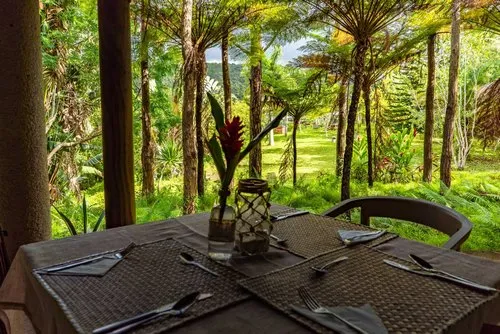
The best images often include context: a plate on a wooden table, a beach view behind a drink, a vendor serving customers, a chef cooking, friends laughing at night, lights reflected in glasses, or a market stall full of colour.
Best Photo Subjects
Good restaurant and bar photo subjects include local dishes, seafood plates, dholl puri, street food, fruit drinks, cocktails, beach tables, hotel restaurants, night bars, market food, chefs, waiters, food vendors, colourful signs, restaurant terraces and people enjoying meals together.
For a stronger gallery, mix food close-ups with wider scenes. A plate of curry is useful, but a plate of curry in a small Mauritian restaurant with people around it tells a better story.
Best Time for Photos
Morning is good for markets, cafés and breakfast scenes. Lunch time is best for busy local restaurants and street food. Late afternoon and evening are better for beach bars, sunset drinks, night lights and restaurant atmosphere.
Low light can be difficult in bars, but it can also create mood. Warm lamps, candles, neon signs, reflections and silhouettes can make evening photos more atmospheric.
Respectful Food and People Photography
Always be respectful when photographing restaurants, staff and customers. Ask permission before taking close photos of people, kitchens or private dining areas.
Food photography is easy. People photography needs more care. A good photo should make the place look alive without making anyone uncomfortable.
Visiting Tips
If you want to enjoy restaurants and bars in Mauritius, try a mix of places: one local restaurant, one street-food stop, one beach restaurant, one market meal and one evening bar in a tourist village. That gives a much better picture of the island than staying with only one style of dining.
For nightlife, check opening days and times, especially outside weekends or peak tourist periods. Some bars are lively only on certain nights. In tourist areas, arrange safe transport back to your accommodation if you plan to stay out late.
Above all, be curious. Mauritius is not a place where food belongs to one culture only. The best meals often come from the mix: a little Creole, a little Indian, a little Chinese, a little French, and a lot of Mauritian personality.
Restaurant and Bar Photos from Mauritius
Explore photos of restaurants and bars in Mauritius, from beach restaurants, local food spots and street vendors to cafés, hotel dining, seafood plates, cocktails, night bars and lively island evenings.