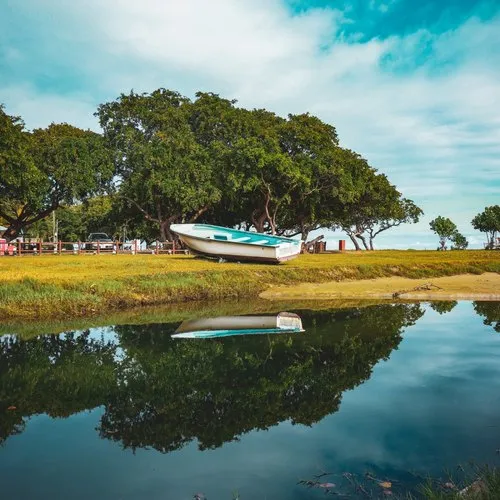
Boats of Mauritius
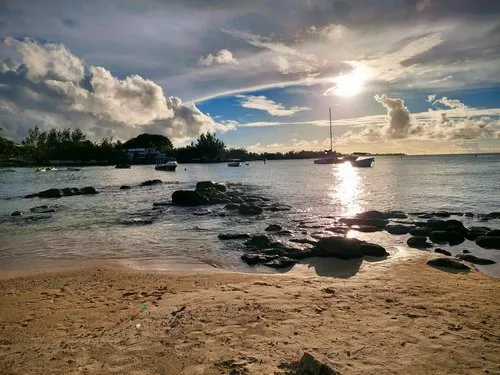
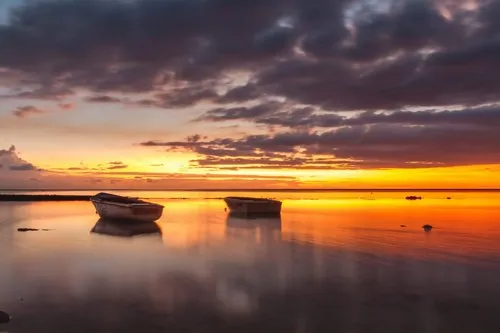
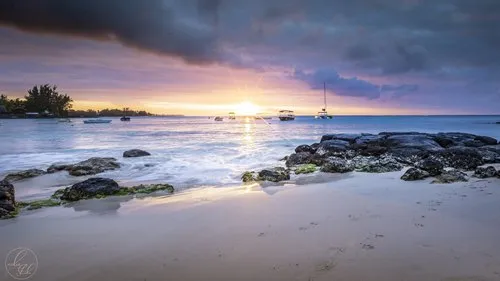
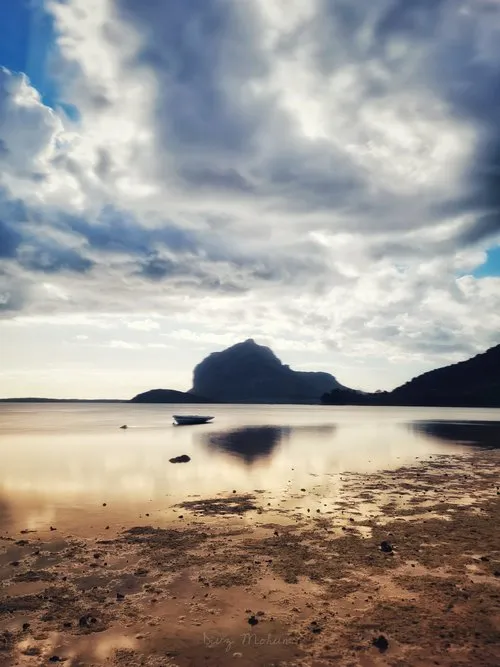
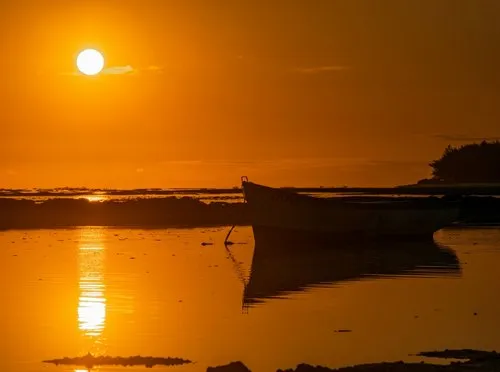
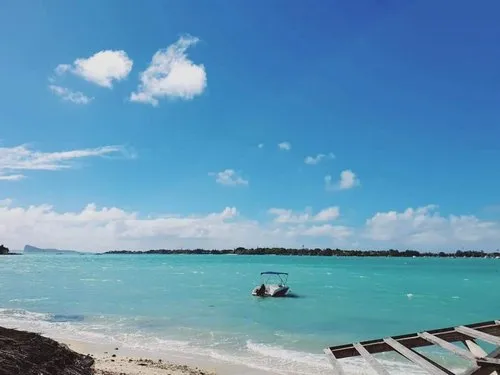
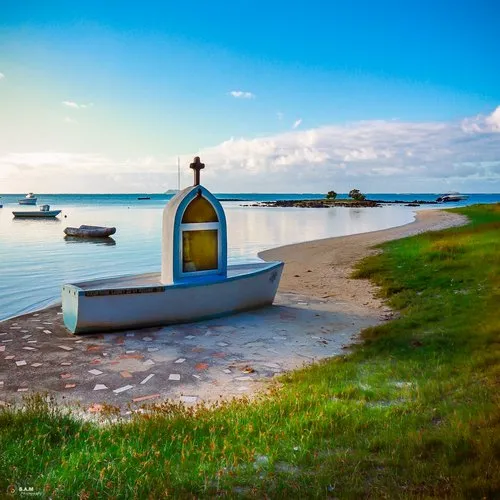
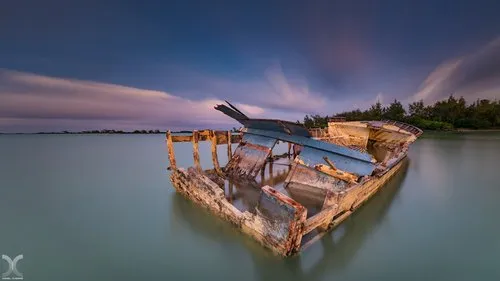
Browse boat photos from Mauritius, including traditional fishing pirogues, speed boats, catamarans, lagoon boats, glass-bottom boats, fishing vessels, island excursion boats and peaceful coastal scenes captured by Explora photographers.
Read more about boats in Mauritius
About Boats of Mauritius
Boats are part of the everyday coastal landscape of Mauritius. You see them resting on public beaches, floating quietly in lagoons, leaving early for fishing, carrying visitors to nearby islands, or crossing the turquoise water at sunset. Some are simple wooden pirogues. Others are speed boats, catamarans, glass-bottom boats or fishing charters. Together, they tell the story of an island deeply connected to the sea.
In Mauritius, boats are not only for leisure. For many coastal families, they are working tools. A small pirogue may look charming in a photo, but for a fisherman it can mean food, income, routine, risk and years of experience. This is why boat photos from Mauritius often feel so human. Behind the colours and reflections, there is always a story.
For photographers, boats are among the best subjects on the island. A pirogue on the sand, a catamaran in the lagoon, a speed boat near Ile aux Cerfs, a fishing boat returning at sunset, or a glass-bottom boat above coral reefs can immediately give a photo a strong Mauritian identity.
Types of Boats in Mauritius
The main types of boats seen in Mauritius include traditional pirogues, small fishing boats, speed boats, catamarans, glass-bottom boats, sailing boats, hotel water-sport boats, big game fishing boats, island transfer boats and larger vessels linked with ports and cargo activity.
Each type of boat has a different role. Some belong to local fishermen, some to excursion operators, some to hotels, some to private owners, and others to the wider maritime life of the island.
Traditional Fishing Pirogues
The traditional pirogue is one of the most recognisable boats in Mauritius. These small boats are often used by local fishermen in lagoons and coastal waters. Many are wooden or partly wooden, while some modern versions may use fibreglass or other materials.
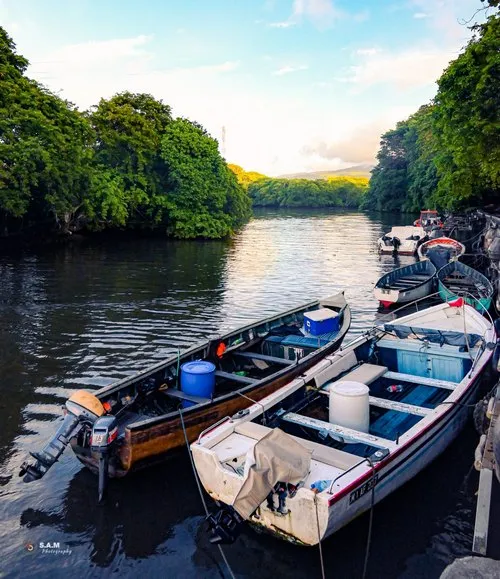
Pirogues are usually simple, narrow and practical. They may be painted in bright colours, pulled onto the sand, tied near rocks, or left floating in shallow water. They are especially common near fishing villages and public beaches.
For photography, pirogues are beautiful because they bring colour and scale to a scene. A pirogue at sunrise, a pirogue beside a fisherman, or several boats resting under filaos trees can show the quiet working life of the coast.
Small Boats Used by Fishermen
Many common fishermen in Mauritius still use small boats for daily fishing. These boats may be used for handline fishing, net fishing, lagoon fishing, reef fishing or short trips beyond the reef depending on weather and experience.
Fishing boats are often seen early in the morning or late afternoon. Fishermen prepare lines, bait, nets, fuel and boxes before going out, then return with the catch to sell or take home. The work can look peaceful from the shore, but the sea is not always gentle.
These scenes are closely linked with fishing in Mauritius. A boat without the fisherman is already beautiful. A boat with the fisherman at work tells a fuller story.
Speed Boats
Speed boats are widely used for sea activities and island excursions in Mauritius. They are common around places such as Grand Bay, Trou d’Eau Douce, Blue Bay, Black River, Le Morne and the north coast.
Visitors may use speed boats for trips to islands, lagoon tours, snorkelling stops, dolphin watching, waterfall excursions, parasailing access, transfers to Ile aux Cerfs or fast coastal rides.
For photos, speed boats add movement and energy. A speed boat crossing a calm lagoon leaves a white line behind it, turning the sea into a dynamic scene rather than a still postcard.
Catamarans
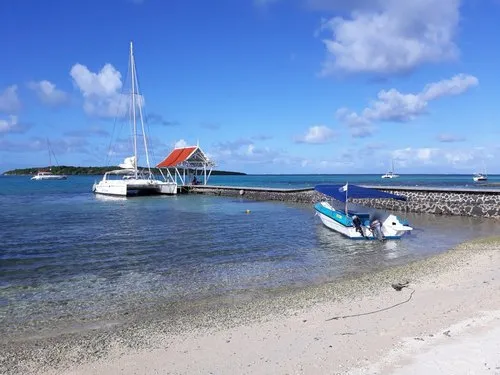
Catamarans are popular for lagoon cruises and day trips in Mauritius. They are often seen along the north, east, west and south-east coasts, especially around Grand Bay, Ile aux Cerfs, Blue Bay, Tamarin and Black River.
Catamaran trips are usually slower and more relaxed than speed boat rides. They are often associated with full-day excursions, island stops, snorkelling, lunch on board and sunset cruises.
In photography, catamarans work well because their sails and wide shape are easy to recognise. A catamaran against the lagoon, reef or sunset sky can instantly create a tropical island feeling.
Glass-bottom Boats
Glass-bottom boats are used in several lagoon areas to let visitors observe coral reefs and marine life without diving or snorkelling. They are especially common in places such as Blue Bay, where the marine park and coral formations are major attractions.
These boats are useful for families, older visitors or anyone who wants to see underwater life while staying dry. They are also part of the tourism story of Mauritius, linking boats with coral reefs, fish and lagoon conservation.
Big Game Fishing Boats
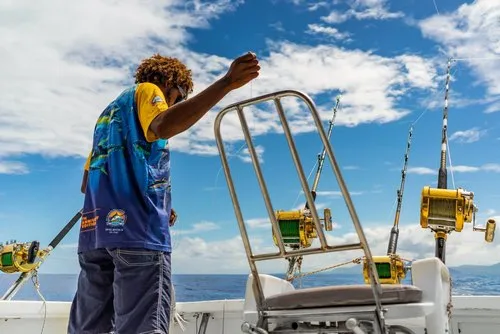
Big game fishing boats are larger and better equipped than small lagoon pirogues. They are used offshore to target pelagic fish such as marlin, tuna, dorado and wahoo.
This is a very different type of boating experience. Instead of staying inside the calm lagoon, these boats head beyond the reef into deeper water. The sea is bigger, the fishing equipment is heavier, and the atmosphere is more intense.
To explore this side of the island, see big game fishing in Mauritius.
Island Excursion Boats
Many boats in Mauritius are used to reach nearby islands and islets. Excursion boats may travel to Ile aux Cerfs, Ile aux Aigrettes, Ile aux Benitiers, Gabriel Island, Flat Island, Coin de Mire, Ile aux Fouquets and other coastal destinations.
These trips are part of the island-hopping experience of Mauritius. The boat becomes more than transport. It becomes part of the memory: sea spray, music, lunch on board, reef colours, people laughing, and the coastline slowly moving behind you.
Sailing Boats and Private Boats
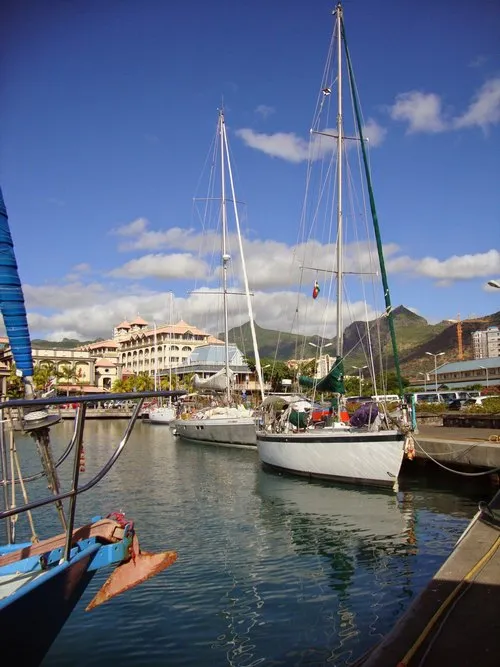
Sailing boats, private leisure boats and small yachts can also be seen in some lagoons, marinas and coastal areas. They are less common than pirogues or excursion boats, but they add variety to the maritime landscape.
Places such as Grand Bay, Black River and some hotel lagoons may show more private and leisure boating activity. These boats often appear in sunset photos, harbour views and coastal lifestyle images.
Boats and Fishing Life
Boats are essential to traditional fishing life in Mauritius. In many coastal villages, the day starts early, when fishermen prepare their small boats and head towards the lagoon or open sea.
The boat carries more than equipment. It carries knowledge: where the fish may be, how the current moves, when the wind changes, which reef pass is safe, and when it is better not to go out at all.
Fishing boats are especially meaningful in villages such as Grand Gaube, Albion, Mahebourg, Cap Malheureux, Tamarin, Black River, Souillac, Trou d’Eau Douce and Grand River South East. These places still show the link between Mauritian people, the sea and daily work.
Boats and Beaches
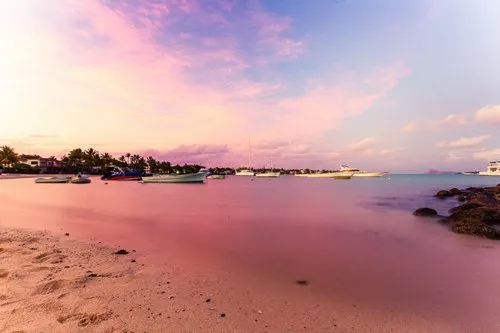
Many of the most beautiful beaches in Mauritius include boats in the scenery. Pirogues, speed boats, catamarans and fishing boats add colour, scale and movement to beach photos.
A beach with no boat can be peaceful. A beach with a boat can feel alive. It suggests departure, return, fishing, travel, work, leisure or waiting. Even an empty boat can make the viewer imagine a story.
Popular places to photograph boats near beaches include Grand Bay, Trou aux Biches, Mont Choisy, Pereybere, Flic en Flac, Tamarin, Le Morne, Blue Bay, Mahebourg, Grand Gaube, Belle Mare and Albion.
Boats in Lagoons and Reefs
The lagoon is one of the most important settings for boats in Mauritius. Inside the reef, the water is often calmer, shallower and more colourful. This makes it ideal for pirogues, snorkelling boats, glass-bottom boats, kayaks, catamarans and small excursion boats.
Boats also help show the scale of the lagoon. From the shore, the water may look like one flat blue surface. Add a small boat and suddenly the viewer understands distance, depth and space.
Boat photos in the lagoon work especially well when reef lines, sandbanks, coral patches and colour changes in the water are visible.
Boats and Sea Activities
Many sea activities in Mauritius depend on boats. Snorkelling trips, diving, dolphin watching, parasailing, island excursions, sunset cruises, fishing trips, glass-bottom boat tours and water-sport transfers all involve boats in one way or another.
Speed boats are often used for faster activities, while catamarans are used for slower cruises. Fishing boats and charter boats take visitors offshore. Small lagoon boats may take people to reef spots, sandbanks or nearby islets.
This makes boats an important part of activities in Mauritius. The sea is beautiful from the beach, but a boat allows visitors to see the island from another angle.
Boats and Safety at Sea
Boating in Mauritius can be beautiful, but the sea should always be respected. Weather, wind, currents, reef passes and waves can change quickly, especially outside the lagoon.
Small pirogues and fishing boats are especially vulnerable in rough conditions. Fishermen know the sea well, but they still face risks: engine problems, sudden wind, strong currents, rain, fatigue or difficulty returning through reef channels.
For visitors, it is important to choose responsible operators, listen to safety instructions, wear life jackets when required and avoid unsafe boat trips in bad weather. A good boat trip starts with respect for the ocean.
Boats, Weather and the Ocean Mood
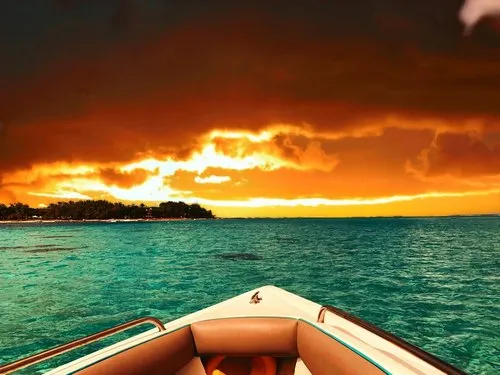
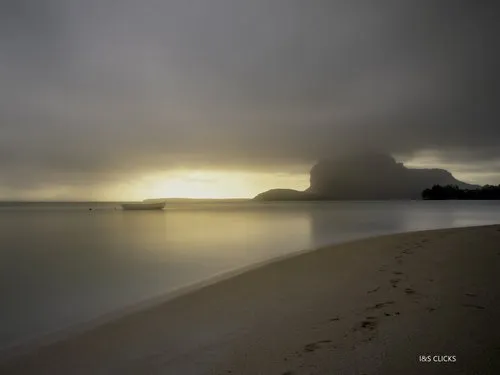
Boats change character depending on the weather. Under bright sun, they look colourful and peaceful. Under dark clouds, they can look dramatic. At sunrise, they feel quiet and poetic. At sunset, they often become silhouettes.
This is why weather and clouds in Mauritius are so important for boat photography. A simple boat can become a powerful image when the sky has mood, the water reflects the light or waves move around it.
Boat Photography in Mauritius
Boats are excellent subjects for photography because they work in many compositions. They can be the main subject, a foreground detail, a silhouette, a colour accent, a human story or a scale reference in a wide landscape.
The best boat photos often include context: a fisherman, a beach, a lagoon, a mountain, a sunset, a rope, a reflection, a village, a wave or a person preparing to leave.
Best Boat Photo Subjects
Good boat photo subjects in Mauritius include wooden pirogues, fishermen preparing boats, boats resting on sand, catamarans in lagoons, speed boats crossing reef waters, glass-bottom boats, big game fishing boats, island excursion boats, boat ropes, anchors, nets, motors, sails and silhouettes at sunset.
Try not to photograph only the boat as an object. Photograph the boat as part of a place. A pirogue at Albion feels different from a catamaran at Grand Bay or a speed boat at Ile aux Cerfs. The location gives the boat its story.
Best Time for Boat Photography
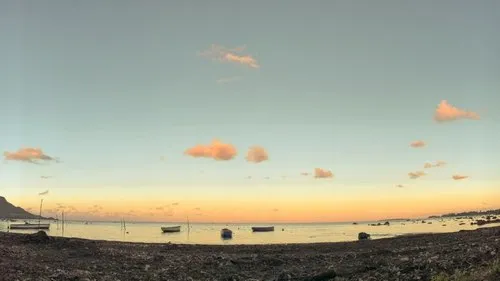
Early morning is one of the best times to photograph boats. Fishermen may be preparing to leave, the water may be calmer, and the light is soft. This is also a good time for reflections and quiet beach scenes.
Late afternoon and sunset are also excellent, especially on the west and north-west coasts. Boats become silhouettes, the lagoon changes colour and the sky can turn dramatic.
Drone and Aerial Boat Photography
Drone and aerial photography in Mauritius can show boats in a completely different way. From above, a small boat becomes part of a pattern: reef lines, lagoon colours, sandbanks, waves, shadows and coastal shapes.
Drone pilots should follow local rules, avoid flying over people, respect privacy and be careful around boats, birds, hotels, restricted areas and changing coastal winds.
Black and White Boat Photography
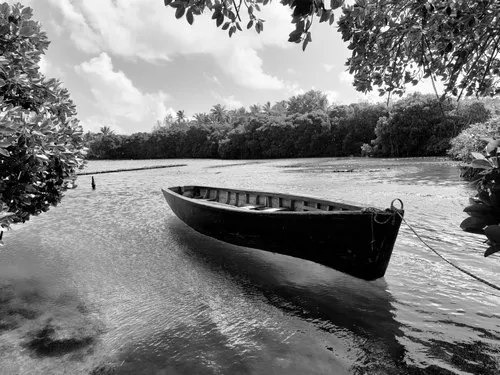
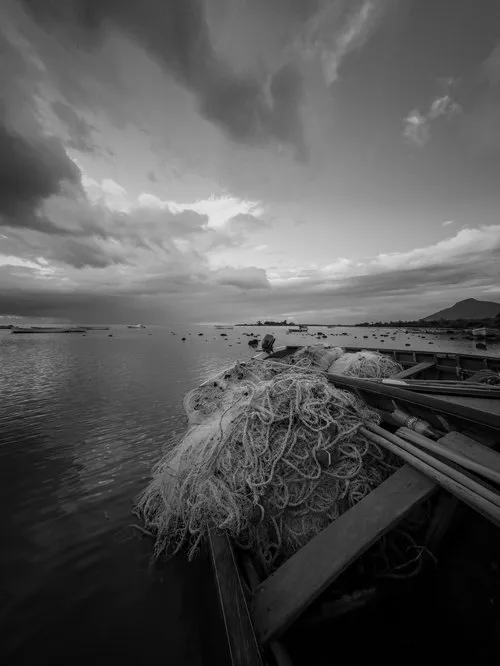
Black and white photography can work beautifully with boats. It removes the bright lagoon colours and focuses instead on shape, rope lines, reflections, fishermen, clouds and silhouettes.
A black and white pirogue photo can feel timeless. A fishing boat under dark clouds can feel dramatic. A catamaran at sunset can become a clean graphic shape against the sky.
Responsible Boating and Marine Protection
Boats bring people closer to the sea, but they can also disturb marine life if used carelessly. Engines, anchors, fuel, noise, waste and overcrowding can affect lagoons, coral reefs, dolphins and other marine environments.
Responsible boating means avoiding damage to coral, respecting marine parks, keeping distance from dolphins and whales, not throwing rubbish into the sea, using safe anchor zones and following local regulations.
Visitors should choose operators who respect the lagoon and marine animals. A boat trip should leave only a wake, not damage.
Visiting Tips
If you want to photograph boats in Mauritius, visit coastal villages early in the morning, public beaches in the late afternoon, and lagoons when the water is calm. Look for pirogues, fishermen, catamarans, speed boats, ropes, reflections and people preparing for the sea.
For boat excursions, check the weather, choose a reliable operator and ask what is included before leaving. For fishing or dolphin-related trips, choose respectful practices rather than the cheapest or fastest option.
Boats are everywhere in Mauritius, but the best photos come when you slow down and notice the details: a painted hull, a wet rope, a fisherman’s hands, a sail in the distance, or a small pirogue waiting quietly for the next tide.
Boat Photos from Mauritius
Explore photos of boats in Mauritius, from traditional fishing pirogues and lagoon boats to speed boats, catamarans, glass-bottom boats, fishing vessels, island excursion boats and peaceful coastal scenes around the island.