Mauritian people
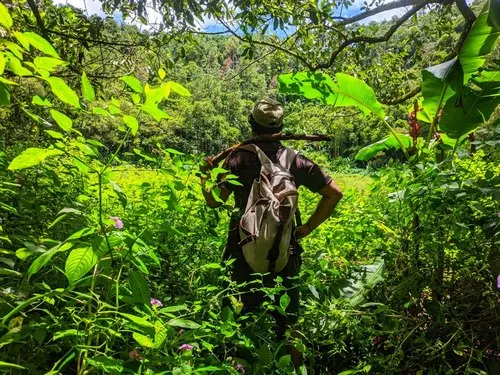
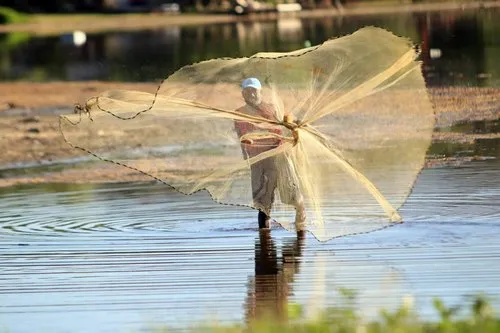
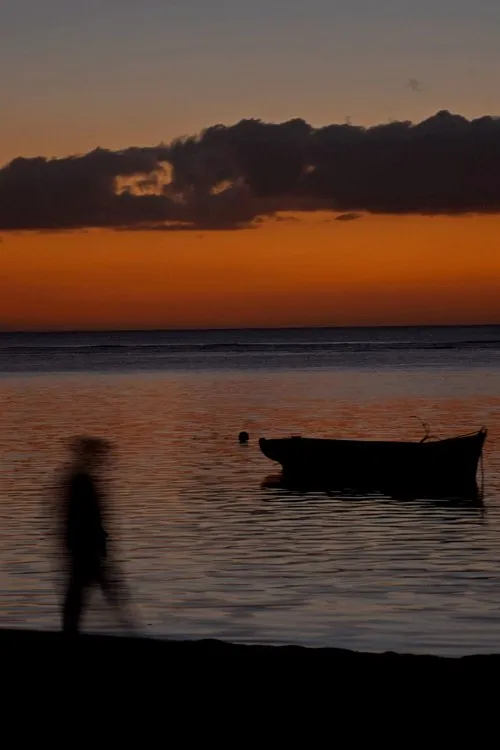
Browse Mauritian people photos from Mauritius, including portraits, village life, markets, beach gatherings, religious festivals, street scenes, cultural traditions, daily work and warm island moments captured by Explora photographers.
Read more about Mauritian people
About Mauritian People
Mauritian people are at the heart of the island experience. The beaches, mountains, forests and lagoons are beautiful, but the human side of Mauritius is what gives the country its real character: families gathering on public beaches, vendors calling in markets, fishermen preparing boats, children in school uniforms, workers in sugarcane fields, people praying at temples, churches and mosques, and friends chatting in several languages in the same conversation.
Mauritius is a small island with a rich human story. Its people come from different origins, cultures and religions, shaped by migration, slavery, indentured labour, trade, colonisation and island life. The result is a society where Indian, African, European and Chinese influences meet in everyday life.
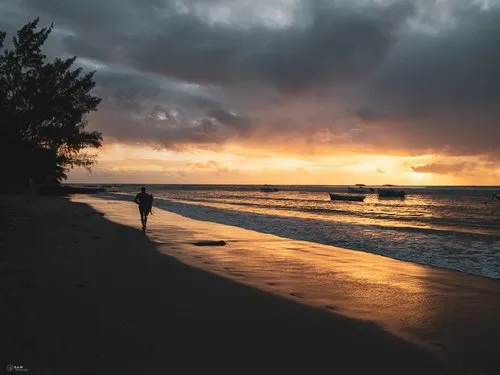
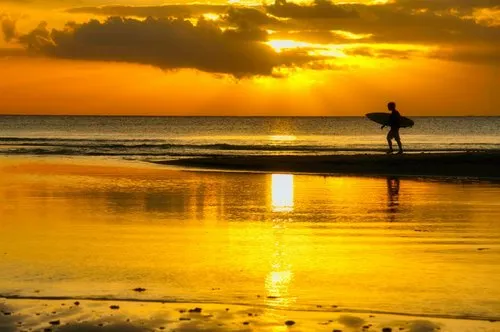
For photography, Mauritian people bring emotion, scale and authenticity to the island. A landscape can be beautiful on its own, but a person walking along a beach, selling fruit at a market, playing sega, praying during a festival or laughing with family under filaos trees gives the photo a story.
Population of Mauritius
The Republic of Mauritius has a population of around 1.2 million people, spread mainly across the island of Mauritius, Rodrigues and smaller outer islands. Port Louis is the capital, while many people live in towns, villages and residential areas across the central plateau, the coast and rural districts.
The population is diverse and multilingual. People move daily between towns, offices, schools, markets, beaches, farms, ports, industrial zones and villages. Mauritius may look calm from a hotel balcony, but daily life is busy, social and full of movement.
Origins and History of Mauritian People
Mauritius had no indigenous population before human settlement. The island was visited by Arab sailors and later appeared on European maps, but its modern population developed through colonial settlement, slavery, indentured labour and migration.
The Portuguese visited the island in the early 16th century. The Dutch arrived later and named it Mauritius after Prince Maurice of Nassau. They introduced sugarcane, deer and other elements that changed the island, but they eventually left in 1710.
France took possession of the island in 1715 and renamed it Isle de France. During the French period, Port Louis developed, sugar estates expanded, and enslaved people from Africa, Madagascar and other regions were brought to work on the island.
In 1810, the British captured the island, and it later regained the name Mauritius. The British abolished slavery in 1835. After abolition, large numbers of indentured labourers arrived from India to work mainly in the sugarcane plantations. Their arrival transformed the population, culture, religion, food and language of the island.
Chinese traders also came to Mauritius and became part of the social and commercial life of the country. Over time, people of Indian, African, Malagasy, European and Chinese descent created a society that is deeply mixed, even when communities have kept their own traditions.
Aapravasi Ghat and the Indentured Labour Story
Aapravasi Ghat in Port Louis is one of the most important heritage sites in Mauritius. It is the place where many indentured labourers first landed before being sent to work on sugar estates.
Between 1834 and 1920, almost half a million indentured labourers arrived from India at Aapravasi Ghat. This history changed Mauritius permanently and also connects the island to a much wider story of labour migration across the British Empire.
Today, Aapravasi Ghat is a UNESCO World Heritage Site and a place of memory. For many Mauritians, it represents arrival, hardship, survival, family roots and the beginning of a new life on the island.
Languages Spoken in Mauritius
Most Mauritians are multilingual. Mauritian Creole, also known as Kreol Morisien, is the everyday language used across communities. It is the language of home, jokes, markets, buses, beach picnics and daily conversation.
English and French are widely used in official, educational, business and media contexts. Many people move naturally between Creole, French and English depending on the situation. This language flexibility is one of the most charming things about Mauritius.
Other languages also form part of the cultural landscape, including Bhojpuri, Hindi, Urdu, Tamil, Telugu, Marathi, Hakka and Mandarin, among others. Some are spoken daily by fewer people today, but they remain important for religion, music, identity, family history and festivals.
Religions in Mauritius
Mauritius is a multi-religious country where Hinduism, Christianity, Islam, Buddhism and other traditions are present. Religion is visible in the landscape: temples near roads, churches in villages, mosques in towns, small shrines under trees, prayer flags, processions and festival decorations.
Hinduism is the largest religion in Mauritius, followed by Christianity and Islam. Smaller communities also practise Buddhism and other beliefs. What makes Mauritius special is not only the presence of different religions, but the way religious festivals are often respected and recognised beyond one community.
A Hindu festival may be admired by Christian neighbours. A Muslim family may share food after Eid. Chinese New Year may be celebrated in shops and streets used by everyone. Christmas lights are enjoyed by many, not only Christians. This does not mean everything is perfect, but daily coexistence is one of the strong features of Mauritian life.
Culture and Lifestyle of Mauritian People
The Mauritian lifestyle is shaped by family, food, religion, work, music, school, the sea and the rhythm of island life. People may live in a fast urban environment during the week, then spend Sunday at the beach with family, food, music and children running everywhere.
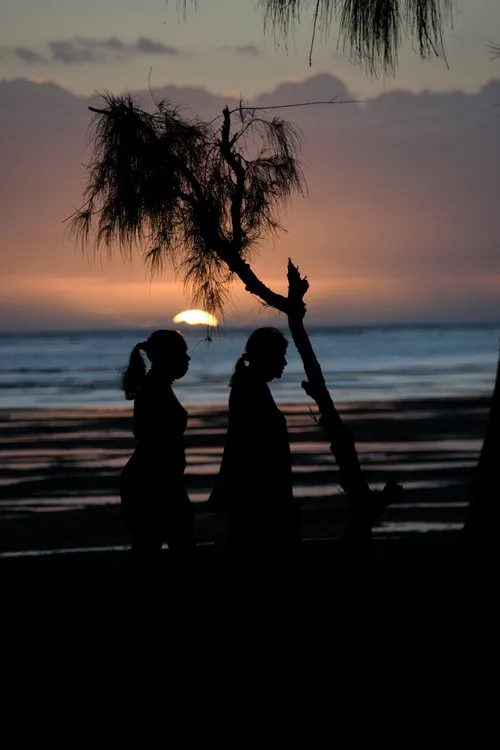
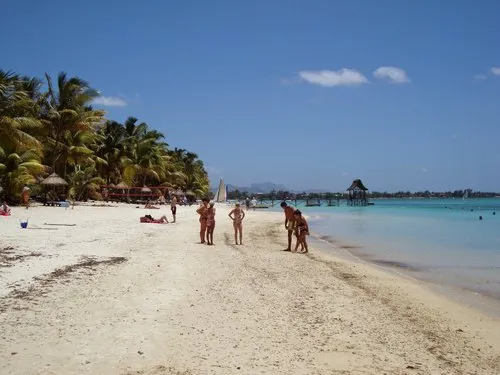
Public beaches are important social places. Families gather under filaos trees, cook, talk, swim, play cards, listen to music and spend the day together. A beach in Mauritius is not only a tourist view. It is also a family dining room, playground and meeting place.
Markets are another important part of life. In Port Louis, Mahebourg, Flacq, Curepipe, Quatre Bornes and other towns, markets show the energy of the island: vegetables, fruits, spices, clothes, street food, bargaining, greetings and quick conversations in Creole.
Village life is still important, even as Mauritius becomes more urban and modern. In many villages and towns of Mauritius, people know their neighbours, follow local events, attend religious ceremonies, shop at small stores and keep a strong sense of community.
Kindness and Hospitality
Many visitors remember Mauritian people for their kindness. A smile, a greeting, help with directions, a small conversation at the market, a taxi driver explaining a place, a vendor cutting pineapple, or a family sharing advice at the beach can make a trip feel more personal.
Mauritians are often warm, polite and easy to talk to, especially when visitors show respect. A simple bonzour, merci or ki manier can open many conversations. The island is small, and people are used to meeting others from different backgrounds.
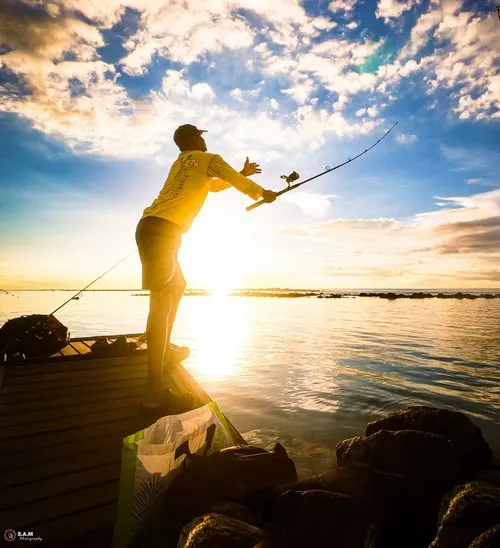
Hospitality is not only found in hotels. It can be found in a village shop, during a family picnic, at a religious festival, in a guest house, on a fishing boat or beside a roadside fruit stall. That human warmth is one of the reasons many travellers return to Mauritius.
Food and Daily Taste
Mauritian food reflects the origins of the population. Indian, Creole, Chinese, French, Muslim and street-food traditions mix in everyday meals. A person can eat dholl puri for lunch, fried noodles in the evening, biryani for a celebration, and gateaux piments with tea without thinking of it as cultural fusion. It is simply Mauritius.
Popular foods include dholl puri, roti, farata, rougaille, mine frit, fried rice, biryani, samosas, gateaux piments, boulettes, pickles, fish vindaye, curries, alouda, fresh pineapple, coconut water and many local snacks.
Food is also social. People share meals at home, at work, on beaches, during festivals and at markets. A Mauritian gathering without food would feel suspicious.
Music, Dance and Sega
Sega is one of the most important cultural expressions of Mauritius. It has African roots and was historically linked with enslaved people. Today, sega is part of national identity and is performed at gatherings, hotels, cultural events and festivals.
The sound of the ravanne, maravanne and triangle gives sega its rhythm. The dance is expressive, warm and full of movement. It is both entertainment and memory, carrying traces of pain, resilience and celebration.
Seggae, a mix of sega and reggae, also became an important modern Mauritian sound. It speaks to urban life, identity, social issues and the mixed soul of the island.
Popular Festivals in Mauritius
Festivals are a major part of Mauritian culture. They bring colour, food, prayer, music, family visits and public holidays into the life of the island.
Maha Shivaratree
Maha Shivaratree is one of the most important Hindu festivals in Mauritius. Devotees walk to Grand Bassin, also known as Ganga Talao, carrying kanwars and collecting sacred water.
The pilgrimage is one of the most powerful religious scenes in Mauritius. Roads fill with devotees dressed in white, volunteers offer food and drinks, and the whole island feels the movement of the festival.
Divali
Divali, the festival of lights, is celebrated with lamps, sweets, family visits and decorations. Homes glow with small lights, and the atmosphere becomes joyful and generous.
For photography, Divali offers warm light, family moments, sweets, colourful clothing and peaceful evening scenes.
Thaipoosam Cavadee
Thaipoosam Cavadee is an important Tamil festival marked by devotion, processions, music, offerings and acts of penance. It can be visually striking, but it should be photographed with great respect because it is a deeply religious moment.
Eid-ul-Fitr
Eid-ul-Fitr marks the end of Ramadan. Families gather, prayers are offered, food is shared and people visit relatives and friends.
It is a moment of gratitude, generosity and community, especially within the Muslim population of Mauritius.
Chinese Spring Festival
Chinese New Year, also called the Chinese Spring Festival, is celebrated with red decorations, family gatherings, food, firecrackers and lion or dragon dances in some places.
China Town in Port Louis is one of the most meaningful places to feel this cultural heritage.
Christmas and Easter
Christmas and Easter are important Christian celebrations in Mauritius. Christmas is especially visible, with lights, decorations, church services, family meals and a festive atmosphere across many communities.
National Day
National Day is celebrated on 12 March, marking independence in 1968 and the republic in 1992. It is a patriotic moment with ceremonies, flags, official events and a reminder of the modern political history of the country.
Mauritian People in Daily Life
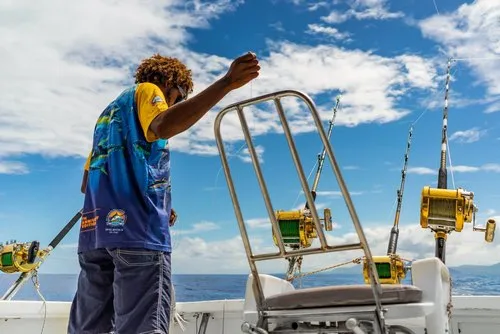
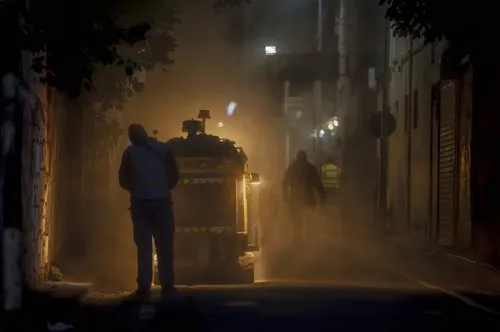
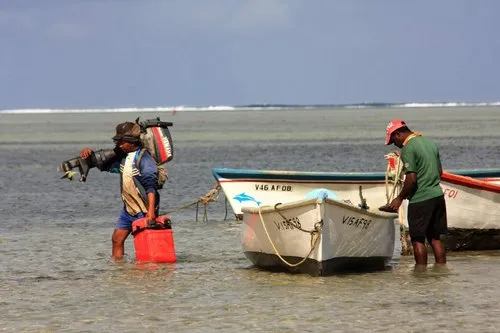
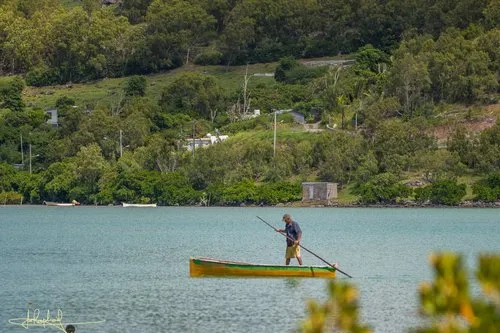
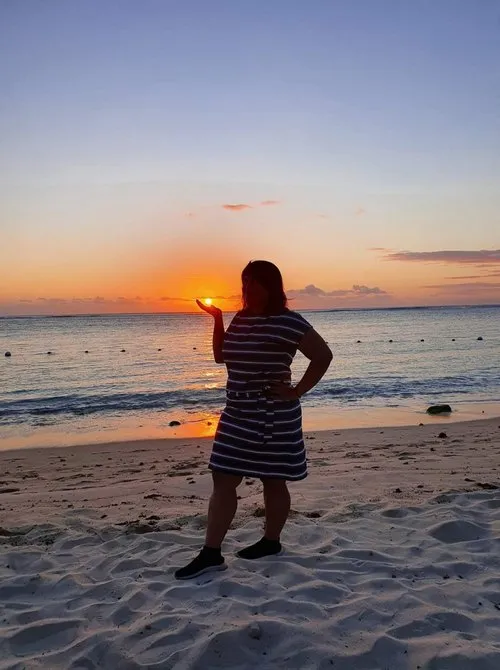
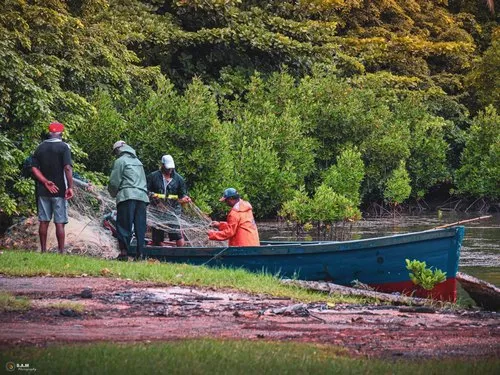
Some of the best photos of Mauritian people are not staged. They happen in ordinary moments: a fisherman repairing nets, a woman buying vegetables at the market, children playing near the sea, workers cutting sugarcane, friends waiting for a bus, a street food vendor serving customers, or a family setting up a beach picnic.
These scenes show the real Mauritius. Not only the tourist image, but the island people live in every day.
People at the Beach
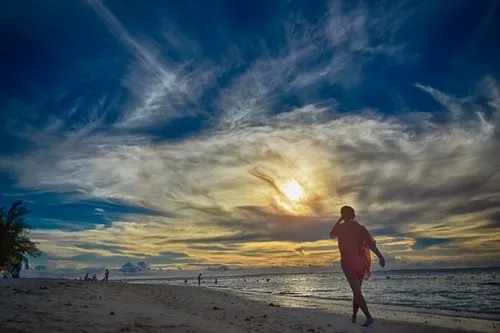
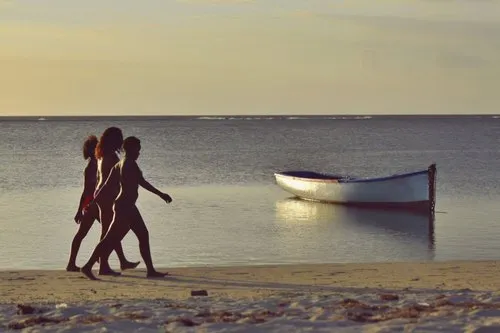
Beaches in Mauritius are important social spaces. Public beaches are especially good for observing local life, particularly on weekends and public holidays.
You may see family picnics, music, games, swimming, prayer groups, fishermen, food vendors and people simply sitting under the trees. For photographers, these scenes are full of human detail.
People in Port Louis
Port Louis is one of the best places to photograph Mauritian people in an urban setting. The Central Market, China Town, bus stations, office areas, small shops, the harbour and street food corners all show the capital in motion.
The city is busy, imperfect, colourful and alive. That is exactly why it is interesting.
People in Sugarcane Landscapes
Sugarcane fields in Mauritius are closely linked with the history of work, migration and village life. Even though the economy has diversified, sugarcane still carries strong historical meaning.
Photos of people in cane fields, estate roads, rural villages or harvest scenes can connect the present with the agricultural past of the island.
Photography of Mauritian People
Photographing Mauritian people requires respect. The best photos are not taken by surprise from a distance with no consideration. They come from patience, kindness, conversation and permission when needed.
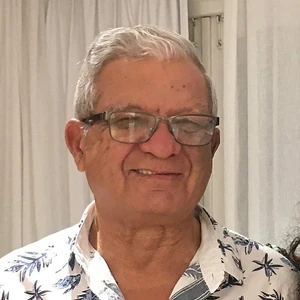
Portraits, market scenes, festival photos, beach gatherings, work scenes and street photography can all be powerful, but people should never feel like decoration. A person in a photo has dignity, history and privacy.
Best Photo Subjects
Good photo subjects include market vendors, fishermen, beach families, sega dancers, street food sellers, religious processions, children playing, people at bus stations, workers in rural areas, artists, musicians, craftspeople, shopkeepers and everyday village life.
For a stronger gallery, mix portraits with wider scenes. A close-up face is powerful, but a person inside their environment often tells a fuller story.
Respectful People Photography
Ask permission for close portraits. Be especially careful during prayer, funerals, private family moments, religious rituals and ceremonies. During festivals, avoid blocking processions or treating devotion as a show.
If someone refuses a photo, accept it with a smile. No photo is worth making someone uncomfortable.
Useful Online References
Useful sources about Mauritian people, history and culture include the Government of Mauritius page on history and culture, Statistics Mauritius, the UNESCO page about Aapravasi Ghat, the Freedom of Thought Report on Mauritius and the UK toponymic factfile on Mauritius.
Visiting Tips
If you want to understand Mauritian people, spend time outside hotel areas too. Visit markets, villages, public beaches, festivals, small restaurants, temples, churches, mosques, bus stations and old streets.
Learn a few simple Creole words, greet people politely, ask before taking close photos and take time to talk. Mauritius becomes much richer when it is not only seen as a landscape, but as a place full of people, memory, humour and kindness.
Mauritian People Photos
Explore photos of Mauritian people, from portraits, markets and village life to beach gatherings, religious festivals, sega dance, street food, daily work, family moments and cultural traditions across Mauritius.