Birds of Mauritius
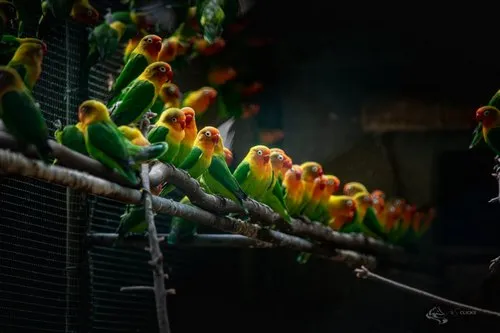
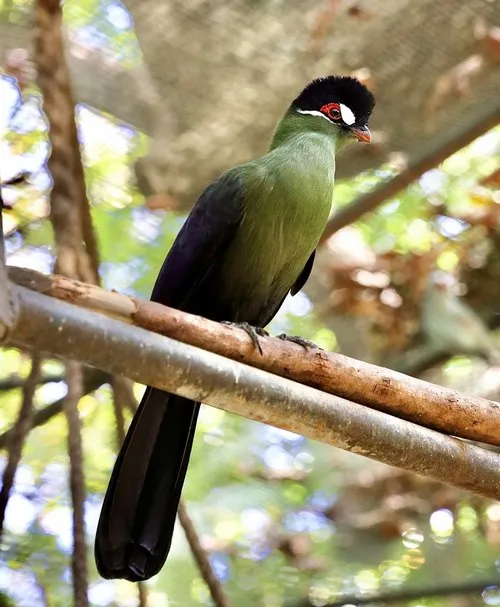
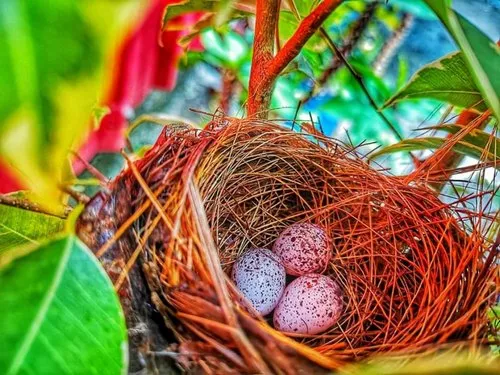
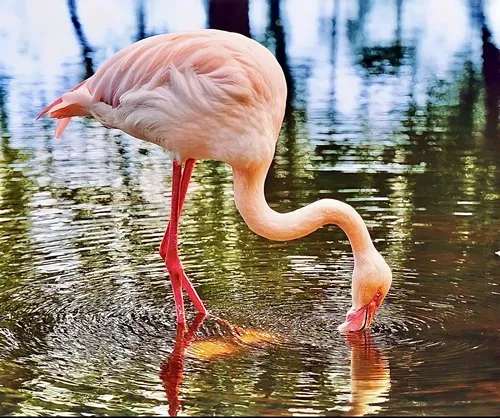
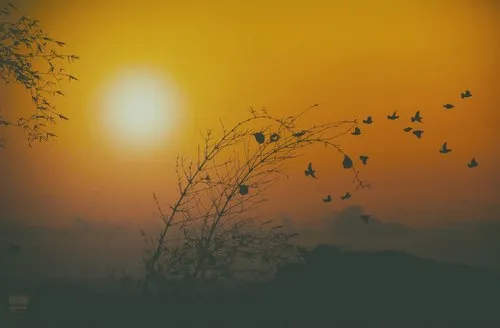
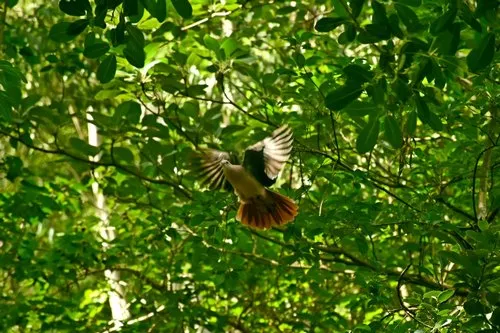
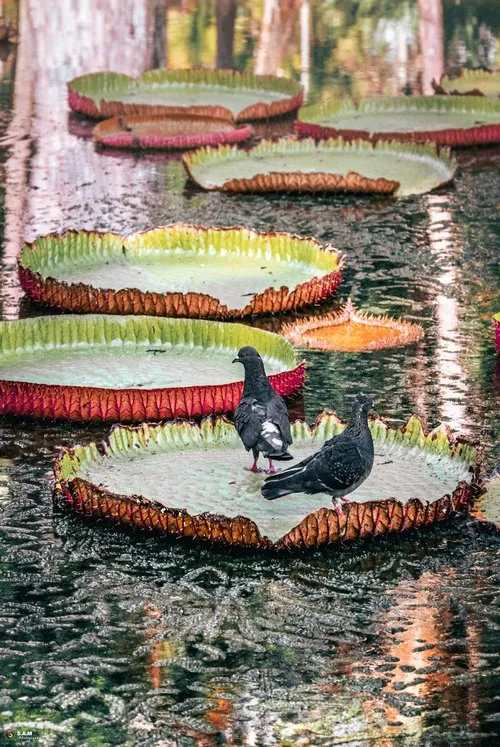
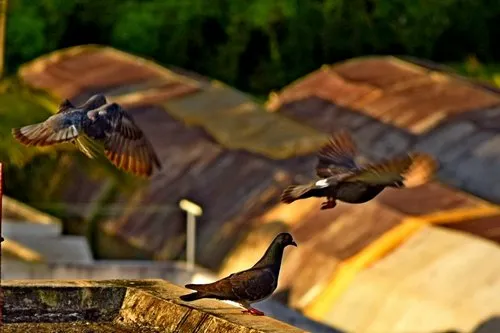
Browse bird photos from Mauritius, including endemic birds, garden birds, wetland species, seabirds, forest birds, colourful fodies, doves, bulbuls, herons and peaceful birdwatching scenes captured by Explora photographers.
Read more about birds of Mauritius
About Birds of Mauritius
Birds are part of everyday life in Mauritius. You hear them in gardens, see them in sugarcane fields, watch them near beaches, rivers and wetlands, and sometimes notice them only when they suddenly land on a branch close to you. They give movement, sound and colour to the island.
For photographers, birds are wonderful subjects because they bring life to a scene. A beach with a bird flying above the lagoon, a fody on a branch, a heron waiting near water, or a white-tailed tropicbird over cliffs can make a simple image feel more alive.
Mauritius is also important for bird conservation. Some native birds are found nowhere else in the world. Others have already disappeared forever, including the famous dodo. This makes bird photography in Mauritius more than a pleasant nature activity. It is also a way to remember what survived, what was lost, and what still needs protection.
Birdlife in Mauritius
The birdlife of Mauritius is a mix of endemic species, native seabirds, migratory birds, introduced birds and common garden birds. Some birds are easy to see almost everywhere, while others are rare and mostly found in protected forests or conservation sites.
Common birds are often seen around homes, hotels, gardens, villages and roads. Endemic birds are more closely linked with forests and nature parks in Mauritius, especially protected areas where native vegetation has been restored or preserved.
Birdwatching in Mauritius is interesting because the island is small, but the habitats change quickly. In one day, visitors may see garden birds in a village, seabirds near cliffs, wetland birds near an estuary and rare forest birds in the highlands.
Endemic Birds of Mauritius
Endemic birds are species that naturally occur only in Mauritius or the Mascarene region. These birds are especially important because their survival depends heavily on the protection of local habitats.
Some of the most important endemic or near-endemic birds linked with Mauritius include the Mauritius kestrel, pink pigeon, echo parakeet, Mauritius fody, Mauritius olive white-eye, Mauritius grey white-eye, Mauritius bulbul and Mauritius cuckooshrike.
Mauritius Kestrel
The Mauritius kestrel is one of the great conservation stories of Mauritius. It was once among the rarest birds in the world, but intensive conservation work helped bring it back from the edge of extinction.
This small falcon is now a symbol of hope for Mauritian wildlife. It reminds us that even a species in extreme danger can recover when habitat protection, breeding programmes and long-term conservation work are taken seriously.
Pink Pigeon
The pink pigeon is the last surviving native pigeon of Mauritius. It was once dangerously close to extinction, but conservation efforts have helped increase its population.
Pink pigeons can be seen in some protected areas and restoration sites, including parts of Black River Gorges, Ile aux Aigrettes, Ferney and Ebony Forest. The bird is quiet, beautiful and very meaningful because so many other native pigeons of the Mascarenes have disappeared.
Echo Parakeet
The echo parakeet is the only surviving native parrot of Mauritius. It is green, noisy, active and closely linked with native forest habitats.
The species survived after reaching very low numbers, thanks to conservation work in places such as Black River Gorges National Park. Seeing one in the wild is special because it represents a living connection to the original forests of Mauritius.
Mauritius Fody
The Mauritius fody is an endemic bird and should not be confused with the more common Madagascar fody, which many Mauritians call cardinal. The Mauritius fody is rarer and linked with native forest conservation.
It is one of the birds protected through conservation programmes because habitat loss and introduced predators have affected its survival. For bird photographers, it is one of the important species to look for in suitable protected areas.
Mauritius Olive White-eye
The Mauritius olive white-eye is one of the rarest birds of Mauritius. It is small, delicate and difficult to observe, which makes it especially important for conservation.
This bird depends on habitat protection and careful management. It is a reminder that not all endangered birds are large or famous. Some are tiny, quiet and almost invisible to most visitors.
Mauritius Grey White-eye
The Mauritius grey white-eye is a small endemic bird that can be seen more easily than the olive white-eye. It may appear in gardens, wooded areas and forest edges.
Its small size and quick movement make it a challenging but rewarding subject for photography. Patient observation is usually needed, because it rarely waits politely for the camera.
Mauritius Bulbul
The Mauritius bulbul is an endemic forest bird with a more discreet presence than some colourful species. It is linked with native vegetation and forest habitats.
Visitors interested in birdwatching may have better chances in protected forest areas, especially where native plants and conservation work support local birdlife.
Mauritius Cuckooshrike
The Mauritius cuckooshrike is another rare endemic forest bird. It is mostly associated with native forest areas and is part of the island conservation story.
Like many endemic birds, it is not something most visitors will casually see at the hotel garden. It is a species connected with serious birdwatching, patient observation and protected habitat.
The Dodo and Extinct Birds of Mauritius
No page about birds of Mauritius can avoid the dodo. The dodo was a large flightless bird found only in Mauritius. It has become one of the most famous symbols of extinction in the world.
The dodo disappeared after the arrival of humans, habitat destruction, hunting pressure and introduced animals such as pigs and other predators that affected nests and eggs. Its extinction is often used as a warning about what can happen when island wildlife is not protected.
The dodo was not a foolish bird. It evolved on an island without natural land predators, so it had no reason to fear humans or introduced animals. Its story is not about stupidity. It is about vulnerability, isolation and sudden ecological change.
Other Extinct Birds of Mauritius
The dodo was not the only bird lost from Mauritius. Other extinct native birds included the red rail, Mauritius blue pigeon, broad-billed parrot, Mascarene grey parakeet, Mauritius scops owl, Mauritius night heron, Mauritian shelduck and other species known from historical accounts, bones or museum specimens.
This loss is one of the reasons conservation matters so much today. Mauritius still has rare birds worth protecting, but the island already knows what extinction looks like. Once a species is gone, a photo, a skeleton or a story is all that remains.
Common Birds in Mauritius
Not every bird in Mauritius is rare. Many birds are common in gardens, villages, towns, fields, beaches and hotel grounds. These are often the birds visitors see first and photograph most easily.
Common birds found in Mauritius include the common myna, red-whiskered bulbul, Madagascar fody or cardinal, zebra dove, spotted dove, Madagascar turtle dove, house sparrow, village weaver, common waxbill, striated heron, cattle egret, common moorhen, white-tailed tropicbird, Mascarene swiftlet, Mascarene martin, rose-ringed parakeet and house crow.
Madagascar Fody or Cardinal
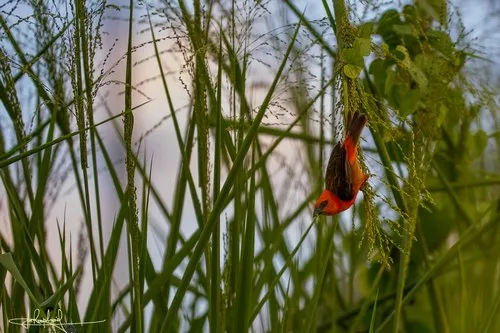
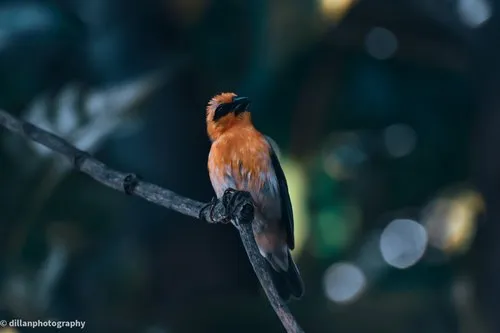
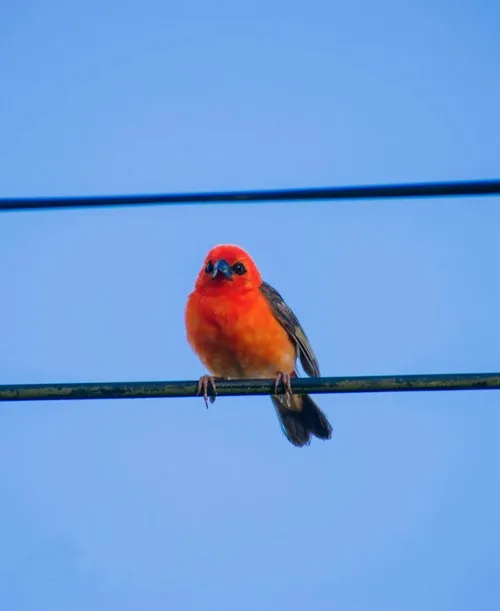
The Madagascar fody is commonly called cardinal in Mauritius. The male is especially easy to recognise during the breeding season, when it becomes bright red. The female is much more discreet, with brown and beige tones.
This bird is common in gardens, fields and villages. It is one of the most photogenic small birds in Mauritius because of the male bright red plumage, especially when it lands on green leaves or flowers.
Red-whiskered Bulbul
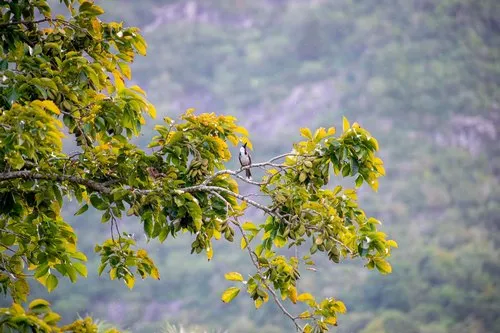
The red-whiskered bulbul is a familiar bird in Mauritius. It has a black crest, white cheeks, a red patch near the face and a lively presence in gardens and fruit trees.
It is often seen feeding on fruit and can be noisy and active. Farmers do not always love it because fruit-eating birds can damage crops, but for photographers it is a beautiful and expressive subject.
Common Myna
The common myna is one of the most visible birds in Mauritius. It walks confidently around towns, hotels, car parks, gardens and markets, often looking as if it owns the place.
It is an introduced species and is very adaptable. It can be interesting to photograph because of its bold behaviour, yellow eye patch and strong personality.
Zebra Dove and Spotted Dove
Zebra doves and spotted doves are often seen on the ground, near houses, gardens, parks and hotel areas. They are calm, familiar birds that many people stop noticing because they are so common.
For photography, they can still be beautiful, especially in soft morning light or when framed with natural ground textures, leaves or shadows.
Madagascar Turtle Dove
The Madagascar turtle dove is another dove species seen in Mauritius. It is often found in gardens, wooded areas and rural settings.
Doves may seem ordinary, but they are useful in a bird photo collection because they show the quiet everyday birdlife of Mauritius.
Village Weaver
Village weavers are active, social birds that can be seen in some areas of Mauritius. They are known for woven nests and lively group behaviour.
Weaver birds can be very interesting to photograph when they are building nests, feeding or moving in groups through trees and reeds.
House Sparrow and Common Waxbill
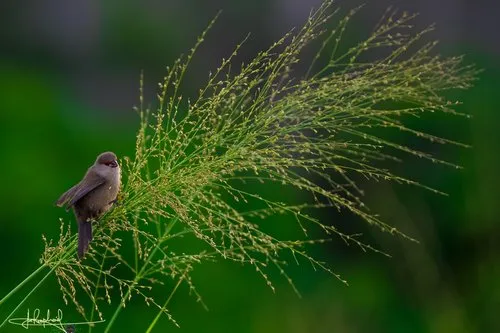
House sparrows are familiar around buildings, gardens and villages. Common waxbills are smaller and more delicate, often seen in grassy areas and low vegetation.
These birds may not be rare, but they add charm to everyday birdwatching. Small birds often make photographers work harder, which is unfair but normal.
Water Birds, Wetland Birds and Herons
Mauritius has several places where visitors can observe birds linked with water, mudflats, estuaries, rivers, ponds and coastal wetlands. These birds may include herons, egrets, moorhens, sandpipers, plovers, terns and other migratory species depending on the season.
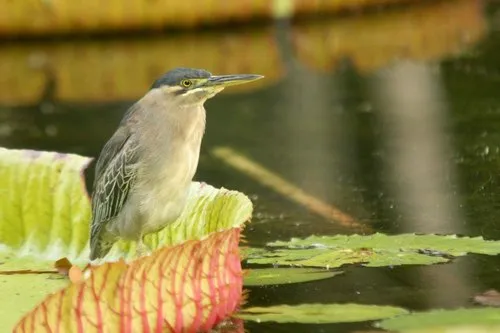
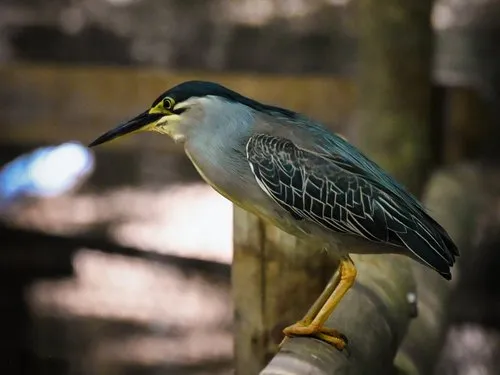
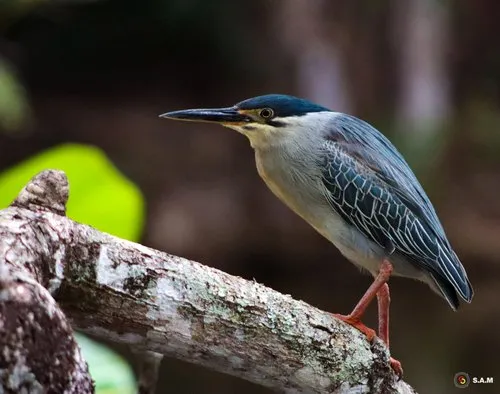
Striated Heron
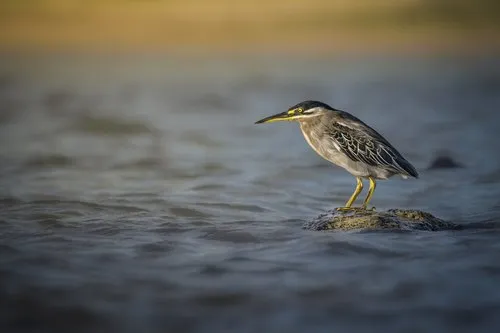
The striated heron is often seen near ponds, rivers, wetlands and coastal water areas. It is patient, still and sharp-eyed, waiting for small fish or other prey.
It can be an excellent subject for photography because it often stands quietly at the edge of water. Quiet, of course, until it suddenly moves faster than your camera settings.
Cattle Egret
Cattle egrets are often seen in fields, near livestock, along roads and in open grassy areas. Their white plumage makes them easy to spot, especially when they gather in groups.
They can be photographed in rural landscapes, near sugarcane fields, around wet areas or in flight against a clean sky.
Migratory Waders
During migration periods, some coastal wetlands in Mauritius receive waders and shorebirds that travel long distances. These may include sandpipers, plovers, whimbrels, turnstones and other species depending on season and conditions.
These birds are especially interesting for birdwatchers because they connect Mauritius with wider migration routes across oceans and continents.
Seabirds of Mauritius
Seabirds are part of the coastal and island birdlife of Mauritius. They may be seen near cliffs, offshore islets, lagoons, fishing areas and open sea.
Common seabird subjects include white-tailed tropicbirds, terns, noddies, petrels and other ocean birds depending on location and season.
White-tailed Tropicbird
The white-tailed tropicbird is one of the most elegant seabirds seen around Mauritius. It has long tail streamers and a graceful flight that looks beautiful against cliffs, blue sky or ocean backgrounds.
It is especially photogenic near coastal cliffs and offshore areas, where it glides in the wind with very little effort. Humans should not compare themselves too much. The bird will win.
Terns and Other Coastal Birds
Terns can often be seen near lagoons, beaches, fishing boats and coastal waters. They are quick, light and active, making them challenging but rewarding subjects.
For photographers, coastal birds work well when combined with beach landscapes in Mauritius, boats, waves, reefs and open sea.
Best Places for Birdwatching in Mauritius
The best places for birdwatching in Mauritius include Black River Gorges National Park, Ile aux Aigrettes, La Vallée de Ferney, Ebony Forest, Bras d’Eau National Park, Rivulet Terre Rouge Estuary Bird Sanctuary, Pamplemousses Botanical Garden, wetlands, coastal cliffs, rivers and hotel gardens with mature trees.
Black River Gorges National Park
Black River Gorges National Park is one of the most important places for endemic birds in Mauritius. It protects native forest, valleys, ridges and habitats used by rare species such as the Mauritius kestrel, echo parakeet, pink pigeon and other forest birds.
It is also one of the best places to combine bird photography with landscapes, hiking trails, waterfalls, misty forest and mountain views.
Ile aux Aigrettes
Ile aux Aigrettes, near Mahebourg, is an important conservation islet where visitors can learn about native plants, birds, reptiles and habitat restoration.
It is one of the best places to understand what coastal dry forest in Mauritius once looked like. Guided visits can offer opportunities to see rare species and conservation work in action.
La Vallée de Ferney
La Vallée de Ferney is a strong birdwatching and conservation site in the south-east of Mauritius. It is linked with native forest restoration and rare birds such as the Mauritius kestrel.
The valley is also beautiful for photography, with mountain slopes, forest trails, views and a quieter atmosphere than many tourist sites.
Ebony Forest
Ebony Forest in Chamarel is one of the key places for native forest restoration in Mauritius. It is useful for visitors who want to see how conservation work helps rebuild habitat for birds and other wildlife.
The site also offers viewpoints, forest walks and opportunities to learn about endemic species.
Bras d’Eau National Park
Bras d’Eau National Park is located in the north-east of Mauritius and is a quieter place for walking and birdwatching. It has forest trails, wetland areas and coastal vegetation.
It is less dramatic than Black River Gorges, but it is peaceful and useful for visitors who want an easy nature walk with bird sounds, shade and fewer crowds.
Rivulet Terre Rouge Estuary Bird Sanctuary
Rivulet Terre Rouge Estuary Bird Sanctuary is one of the most important wetland birdwatching sites in Mauritius. It is located near Port Louis and is known as a refuge for migratory birds.
This site is especially interesting during migration periods, when waders and other wetland birds may be present. It is a valuable place because wetlands are rare and fragile habitats in Mauritius.
Birds in Gardens, Villages and Sugarcane Fields
Birdwatching in Mauritius does not always require a national park. Many birds are seen in gardens, villages, roadside trees, sugarcane fields and hotel grounds.
In the middle of sugarcane fields in Mauritius, birds can be part of the daily soundtrack. They move between trees, rest on wires, gather near flowers, search for food and create small scenes that are easy to miss if you walk too fast.
Birds around villages and gardens are also useful for photography because they are more accessible. A fody on a fence, a myna on a roof, a dove in the road or a bulbul in a fruit tree can all become simple but authentic Mauritian images.
Birds, Trees and Native Plants
Birds depend on trees, shrubs, flowers, fruits, insects and safe nesting places. This is why trees in Mauritius and native plants are so important for birdlife.
Native forest restoration helps endemic birds by providing food, nesting places and better habitat. When forests are damaged or replaced by invasive plants, birds that depend on native ecosystems can struggle to survive.
For photographers, this connection matters. A bird photo becomes stronger when it also shows the habitat: an endemic bird in native forest, a heron near water, a fody in flowering vegetation, or a seabird above cliffs.
Threats to Birds in Mauritius
Birds in Mauritius face several threats, especially habitat loss, invasive plants, introduced predators, disease, pollution, disturbance and climate pressure. Island birds can be very vulnerable because many evolved in small ranges and specialised habitats.
The story of the dodo shows how quickly a species can disappear when new threats arrive. Today, conservation work aims to avoid repeating that history with surviving endemic birds.
Visitors can help by respecting protected areas, not feeding wildlife, staying on marked trails, avoiding nest disturbance and supporting responsible nature tourism.
Bird Photography in Mauritius
Bird photography in Mauritius can be both easy and difficult. Common birds are everywhere, but rare endemic birds require patience, quiet observation and the right location.
The best bird photos often show more than the bird itself. They show behaviour, habitat and mood: a heron hunting, a fody changing colour in breeding season, a tropicbird over cliffs, a pink pigeon in native forest, or a group of migratory birds resting in a wetland.
Best Bird Photo Subjects
Good bird photo subjects in Mauritius include Madagascar fodies, red-whiskered bulbuls, common mynas, doves, herons, egrets, white-tailed tropicbirds, terns, pink pigeons, echo parakeets, Mauritius kestrels, wetland birds, seabirds and garden birds.
For a stronger gallery, mix close-up bird portraits with wider environmental photos. A bird in its landscape often tells a better story than a tight crop with no context.
Best Time for Bird Photography
Early morning is usually the best time for bird photography. Birds are more active, the light is softer and the air is cooler. Late afternoon can also be good, especially near wetlands, gardens and beaches.
Midday light can be harsh and birds may be less active. Forest bird photography can be difficult because of shadows, branches and quick movement, so patience is essential.
Responsible Bird Photography
Do not disturb nests, chase birds, use loud playback, feed wild birds or push too close for a photo. Rare birds are already under pressure, and a photograph should never make that worse.
When visiting protected areas, follow guide instructions and stay on marked paths. If a bird moves away, let it move away. It has clearly voted on the matter.
Useful Online References
For more information about bird conservation and bird records in Mauritius, useful sources include the Mauritian Wildlife Foundation projects, the National Parks and Conservation Service page on Black River Gorges National Park, the Rivulet Terre Rouge Estuary Bird Sanctuary page, the African Bird Club introduction to Mauritius and Rodrigues, the Avibase Mauritius bird checklist, the IUCN Red List factsheet for the dodo and the Natural History Museum article about the dodo.
Visiting Tips
If you want to see birds in Mauritius, start early, move slowly and listen carefully. Gardens, beaches and village roads are good for common birds, while Black River Gorges, Ferney, Ebony Forest and Ile aux Aigrettes are better for endemic and conservation species.
Bring binoculars, a zoom lens if you have one, comfortable shoes, water and patience. Birds are not hotel entertainment. They appear when they want, not when the visitor is ready. That is part of the fun.
Bird Photos from Mauritius
Explore bird photos from Mauritius, from colourful fodies, bulbuls, doves and herons to rare endemic birds, seabirds, wetland species, forest birds, garden birds and conservation landscapes across the island.